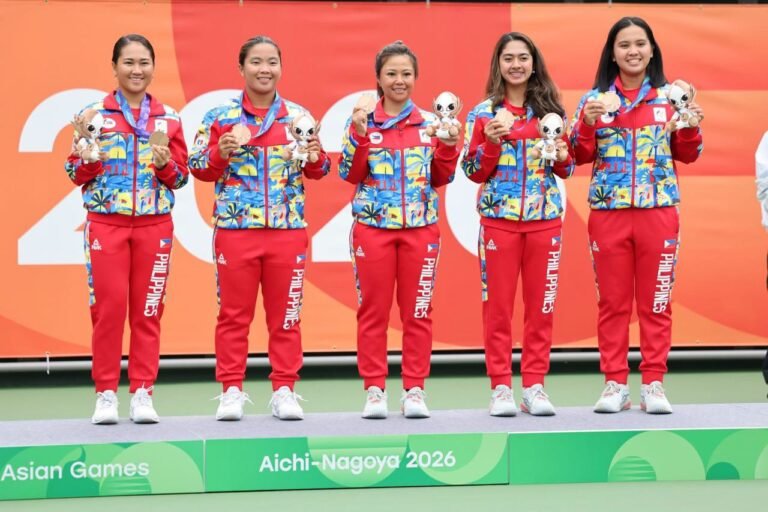
DUBAI, United Arab Emirates, November 12, 2026: Bien Zoleta-Mañalac needed five Asian Games campaigns to reach the soft tennis podium. After helping the Philippines win its first medal in the sport at Aichi-Nagoya 2026, she tells The Sports Encounter that the bronze carries a responsibility: giving the next generation a clearer route into international competition.
In this exclusive written interview, the Philippine national-team athlete and GFOXX Paragon captain explains how she discovered pickleball during recovery from ACL reconstruction, why her attacking instincts need patience at the kitchen line, and what professional competition can offer Filipino athletes. Her answers connect the medal to a larger question: how can developing racket sports give players a sustainable career?
Key Takeaways
- Bien Zoleta-Mañalac needed five Asian Games campaigns to reach the soft tennis podium.
- The Philippine women’s team earned bronze at the Higashiyama Park Tennis Center in Japan.
- Bien Zoleta-Mañalac: First of all, Thank you so much Sports Encounter for being interested in my sports background and sharing my story to others and giving my sport, Soft Tennis, a platform to introduce to others thru your channel!
- The official PYCL website describes a franchise competition combining men’s doubles, women’s doubles, mixed doubles and a Dream Breaker.
The Sports Encounter submitted all 12 questions in writing. Responses and photographs were supplied through Jacque Ruby, representing the Pickle Yard Conference League (PYCL). The questions and answers below retain their original wording; paragraph breaks have been adjusted for readability. Personal experiences, technical assessments and ambitions are Zoleta-Mañalac’s testimony.
Five Asian Games campaigns and a team bronze
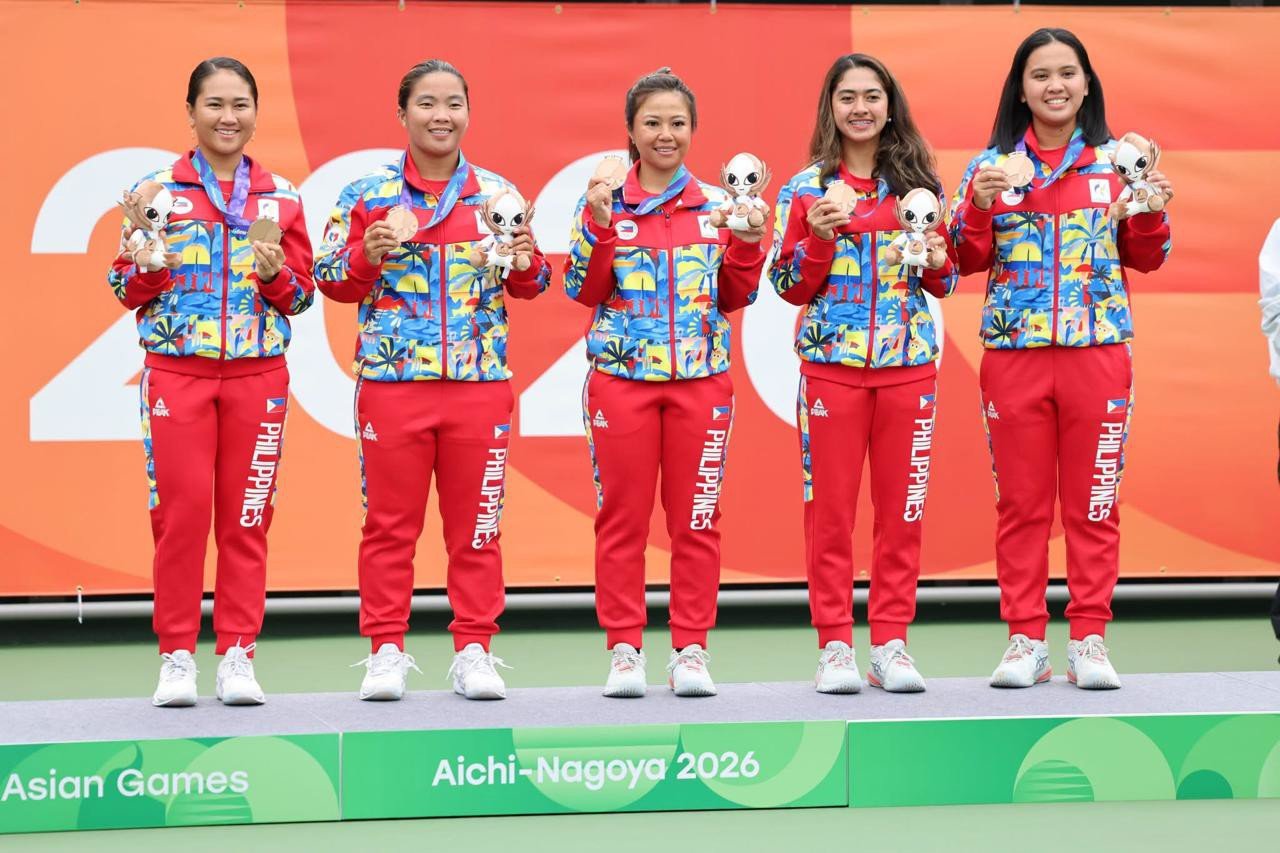
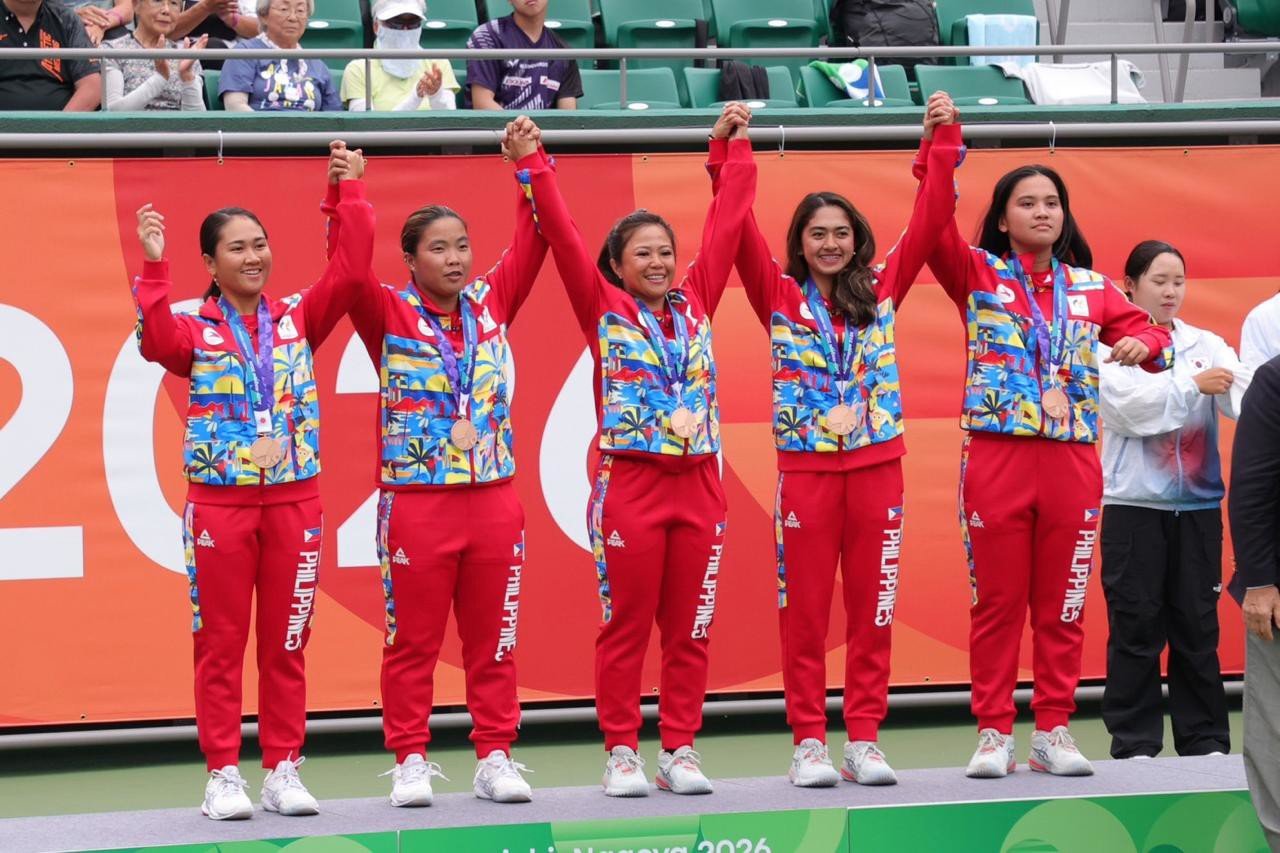
The Philippine women’s team earned bronze at the Higashiyama Park Tennis Center in Japan. Government broadcaster Radyo Pilipinas documented the September 20 result, crediting POC Media: Japan won the semifinal 2–0. The medal was the country’s first in Asian Games soft tennis.
The setting forms part of TSE’s Aichi-Nagoya 2026 overview and report on the Games’ opening in Nagoya. For Zoleta-Mañalac, the defining detail was sharing the podium with four teammates after years of individual disappointment.
1. Bien, congratulations on helping the Philippines secure its first-ever Asian Games medal in soft tennis. When you look back at that historic moment in Aichi-Nagoya, what stands out most? Was there a particular moment when you realized just how significant the achievement was?
Bien Zoleta-Mañalac: First of all, Thank you so much Sports Encounter for being interested in my sports background and sharing my story to others and giving my sport, Soft Tennis, a platform to introduce to others thru your channel! Honestly, what stands out most is knowing that after waiting through five Asian Games editions, I finally got to hold that medal and see our Philippine flag waving on the Asian Games stage. I dedicated so much of my life to that one moment and finally experiencing it was something beyond words.
But the journey was never just about getting to the Asian Games. The hardest part of every edition was finding my way back to the court after every fall. There were heartbreaks, doubts about whether I could still make it, and more than anything, the fear of not being able to give back to the people who believed in me and took a chance on me. I always knew how significant the Asian Games were for soft tennis. It is the highest stage of our sport, our very own Olympics of Asia.
I knew that winning a medal could put Philippine Soft Tennis in history. But I think the real significance became even clearer when I realized that this achievement was no longer just about me. At this point in my career, I no longer play just for myself. I play for the next generation. I want young athletes to see that there is a future and an opportunity in soft tennis.
That they, too, can become varsity athletes in NCAA schools in Manila, represent the country as members of the National Team and someday become SEA Games and Asian Games medalists. I also hope that this historic achievement will encourage our sports leaders and government to invest more in soft tennis especially in our grassroots and developmental programs. For me, the medal is more than a piece of bronze. It represents five Asian Games editions, countless comebacks, the people who never stopped believing and the possibilities we have opened for the next generation.
We made history, but more importantly, I hope we have opened doors for those who will come after us.
2. You’ve represented the Philippines in soft tennis for many years, experiencing both triumphs and disappointments. What made the 2026 Asian Games different, and what did it take for the women’s team to finally reach the podium?
Bien Zoleta-Mañalac: What made the 2026 Asian Games different was that, for the first time in my five editions, I never really expected that my Asian Games medal would come from the Team Event. In my previous four editions, I always prepared myself and focused more on Singles and Mixed Doubles. I knew how difficult the Team Event was and honestly, it was one of the hardest events to win a medal in. That is also what made this achievement even more special. I didn’t stand on that podium alone.
I stood there with four other incredible women who shared the same journey, sacrifices, struggles, challenges and joys of being National Athletes and chasing the same Asian Games dream. What it took was more than just skills, preparation and hard work. We were a combination of experienced athletes and rookies, with different personalities, backgrounds and generations. We had to learn how to understand one another, build trust, respect our differences and find ways to compromise.
There were times when we had to adjust, listen and meet halfway because being a team means putting the group before yourself. But despite all our differences, we shared one common goal: to win for the Philippines. I think that was our greatest strength. We learned to embrace our differences and turn them into something that made us stronger. We weren’t just five players competing together; we became five women fighting for one flag, one country and one dream.
And when we finally stood on that podium, I realized that some dreams are even more beautiful when you get to share them with the people who fought alongside you. This medal was not won by one athlete. It was earned by a team that learned to become one despite their differences.

3. The Philippines faced formidable opposition, including Japan, one of the sport’s traditional powerhouses. What did competing against such strong teams teach you about the progress Philippine soft tennis has made and the areas where further development is needed?
Bien Zoleta-Mañalac: Competing against powerhouses like Japan made us realize both how far we have come and how much more we still need to improve. I know we are not yet at the same skill level as these traditional powerhouses but one thing I can confidently say is that we have arrived. We have proven that the Philippines can compete, challenge these teams and earn a place on the Asian Games podium. One thing that makes our team different is that most of our players came from a tennis background.
Some of our techniques and playing styles are influenced by tennis, and instead of seeing that as a disadvantage, we learned to turn it into our strength. We use it as another weapon in our game. It gives us a different approach, makes our game less predictable and sometimes makes it more difficult for our opponents to read us because we don’t rely solely on the traditional soft tennis style.
Of course, we recognize that there is still a lot of room for improvement especially in mastering the technical aspects of soft tennis, consistency, match experience and exposure to high-level international competition. Thankfully, our association continues to invest in our development by sending us to training camps in Sunchang, South Korea, which is also one of the powerhouses in soft tennis. These opportunities allow us to learn from a stronger soft tennis environment, improve our technical skills and experience the level of discipline and preparation required to compete internationally.
For me, this Asian Games medal is proof that we are moving in the right direction but it should never make us complacent. We still have a long way to go and we need more international exposure, continuous training, stronger grassroots programs and support for the development of our young athletes. We may not be at their level yet, but we have shown that we belong on the same stage.
Now, our responsibility is to keep improving so that the next time we face these powerhouses, we can compete not just to surprise them but to beat them.
| Contest | Philippine players | Reported score, Philippines first |
|---|---|---|
| Doubles | Bien Zoleta-Mañalac and Princess Catindig | 0–5 |
| Singles | Christy Sanosa | 0–4 |
| Team tie | Philippines | 0–2 |
Source: Radyo Pilipinas/POC Media. The doubles and singles figures are individual match scores; 0–2 is the team-tie result.
ACL recovery and a new competitive chapter
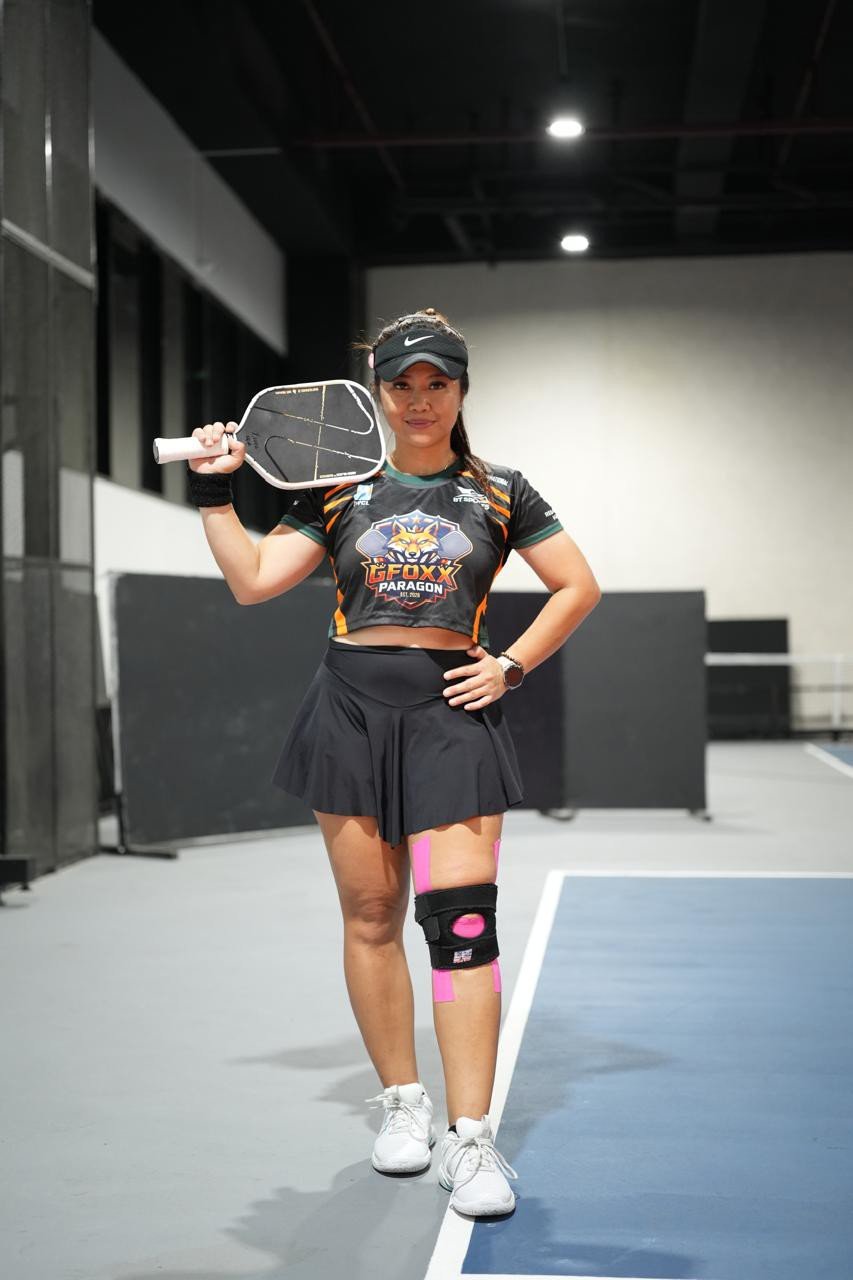
4. You’ve built an impressive career in soft tennis and are now competing in pickleball. What initially attracted you to pickleball, and how did your experience in other racket sports influence that decision?
Bien Zoleta-Mañalac: I discovered pickleball while I was still recovering from my ACL reconstruction. At that time, I was looking for a sport that would allow me to stay active and enjoy playing again but with less movement and court coverage compared to tennis and soft tennis. When I first saw pickleball, what caught my attention was the smaller court and how some of the strokes looked familiar to me as a racket-sport athlete. I thought it would be something I could easily relate to so I decided to give it a try.
What made me fall in love with the sport even more was that my family introduced it to me. Everyone in our tennis club was also starting to play pickleball so it quickly became something we could enjoy together. It wasn’t just about finding another sport; it became a new way for me to reconnect with competition, stay active and share the court with my family and friends. Coming from tennis and soft tennis gave me a natural advantage in understanding court positioning, ball control, anticipation, footwork and shot selection.
However, I also learned that pickleball is a different sport with its own techniques, strategies and rhythm. I couldn’t simply rely on what I already knew; I had to be willing to learn and adjust. Looking back, pickleball came into my life at a time when I needed it most. What started as an alternative while recovering from an injury eventually became another passion and another competitive journey. Sometimes, an injury doesn’t take you away from sports; it simply leads you to discover another way to fall in love with it.
5. From a technical perspective, which skills from soft tennis translate most effectively to pickleball? Conversely, what aspects of pickleball have required you to change your technique, positioning, or approach to competition?
Bien Zoleta-Mañalac: Technically, soft tennis has helped me a lot in transitioning to pickleball especially when it comes to power, reaction time and counterattacks. In soft tennis, we play with a lot of power and make contact with the ball aggressively because of the nature of the ball. That has helped me develop quick reactions, strong counters and the ability to handle fast exchanges. We also need to be very maliksi on court, so being agile and reacting immediately to my opponent’s shots are skills I was able to bring into pickleball.
My approach has always been not necessarily to change everything I know but to learn how to adjust and adapt. For example, I use a semi-western grip for my forehand from the baseline in pickleball which is also the grip I am accustomed to using in soft tennis. Having that familiarity makes the transition more natural. However, one area I am continuously working on is the soft game, particularly dinking.
Coming from a background where I am more of a power player in tennis and soft tennis, developing soft hands and controlling the pace of the ball can be challenging for me. The kitchen game requires a different kind of patience, discipline and decision-making. Sometimes, my instinct is still to speed up the ball and initiate a firefight rather than extend the dink rally. Haha! But that’s part of the learning process. I am learning when to attack, when to reset and when to be patient enough to wait for the right opportunity.
I think that’s what makes transitioning between racket sports interesting. You bring your strengths with you but you also have to be humble enough to recognize what you still need to learn. For me, it’s not about forgetting what made me a good soft tennis player. It’s about knowing when to use those strengths and when to develop a completely different side of my game.
6. Many sports fans are familiar with tennis but know relatively little about soft tennis and pickleball. How would you explain the biggest differences between these sports, particularly in terms of tactics, physical demands, and mental preparation?
Bien Zoleta-Mañalac: Although tennis, soft tennis and pickleball are all racket sports, each has its own identity, demands and style of play. Tactically, tennis and soft tennis allow you to use power, spin, court coverage, and aggressive baseline play. In pickleball, power is still important, but you cannot rely on it all the time. You have to understand the kitchen game, control your dinks, reset the ball, create angles, and know when to attack. Sometimes, the player who has more patience and better shot selection wins the point rather than the one who hits the hardest.
Physically, all three sports require agility, coordination, endurance, and quick reactions, but the movements and demands are different. Tennis and soft tennis generally require more court coverage, longer movements, and explosive lateral footwork. Pickleball has a smaller playing area, but the quick exchanges, sudden changes of direction, and constant readiness at the kitchen line can be equally demanding in a different way. Mentally, I would say all three require discipline, confidence, and the ability to make decisions under pressure. However, each sport challenges you differently.
In tennis and soft tennis, you need to manage longer rallies and maintain consistency. In pickleball, you need to be very patient and disciplined because sometimes you have to resist the temptation to attack too early. You have to recognize the right opportunity and know when to slow the game down. Having competed in all three, I’ve learned that you cannot simply bring your entire game from one sport into another and expect the same results. You have to understand the sport, respect its techniques and be willing to adjust.
For me, the biggest lesson is that being a good racket-sport athlete is not just about how hard you can hit the ball. It’s about how well you understand the game, adapt to different situations and make the right decisions at the right time.
Which strengths transfer, and which need adjustment?
| Area | Strength she brings | Pickleball adjustment she describes |
|---|---|---|
| Fast exchanges | Power, quick reactions and counterattacks | Choosing when to accelerate and when to reset |
| Forehand grip | A familiar semi-western grip from soft tennis | Using that grip for some baseline forehands |
| Soft game | An attacking instinct developed in tennis and soft tennis | Developing soft hands, controlled dinks and patience |
| Court movement | Agility, anticipation and lateral footwork | Adapting to short exchanges and constant readiness near the kitchen |
Source: Zoleta-Mañalac’s responses to questions 4–6.
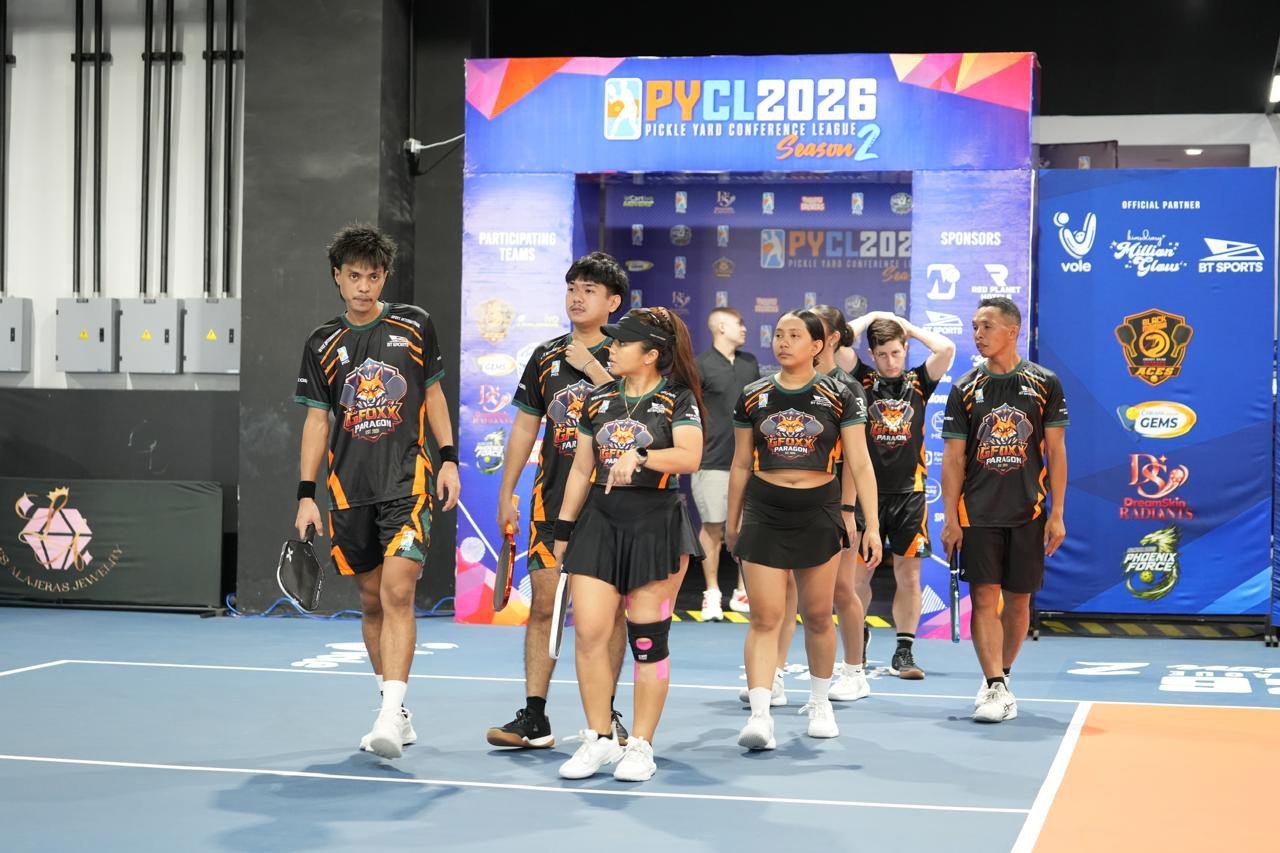
Inside GFOXX Paragon and PYCL Season 2
The official PYCL website describes a franchise competition combining men’s doubles, women’s doubles, mixed doubles and a Dream Breaker. Zoleta-Mañalac’s answers focus on what that team setting demands from a captain and whether a domestic league can create lasting opportunities. She describes its value through the competition, opportunities and team culture she has experienced.
7. You’re representing GFOXX Paragon in Season 2 of the Pickle Yard Conference League. How has your experience been so far, and what makes the league’s franchise-based competition different from the international tournaments you’ve experienced?
Bien Zoleta-Mañalac: My experience with GFOXX Paragon in PYCL Season 2 has been very exciting and fulfilling so far. Being part of this franchise is another opportunity for me to grow as a pickleball athlete, meet new people and experience a different level of competition. I’m also grateful to be part of an organization that gives importance not only to the players’ performance but also to team culture, camaraderie and the overall development of the sport. What makes PYCL different from the international tournaments I’ve experienced is its franchise-based format.
In international tournaments, you usually compete representing yourself, your country, or a partner and the focus is primarily on your individual or doubles performance. In PYCL, you become part of a franchise. You carry your team’s identity, colors and pride. Your wins and losses are not just yours; they become part of the entire team’s journey. It also creates a different kind of pressure and motivation because you know that your teammates, management and supporters are counting on you.
You learn to work with different players, build chemistry and contribute in whatever way you can for the franchise. As a team captain, I also value the opportunity to bring people together. I believe that everyone should have a voice, regardless of experience or ranking because every player has something valuable to contribute. For me, PYCL is more than just a competition. It’s helping create a professional pickleball environment here in the Philippines, giving athletes more opportunities to compete, develop their skills and build their careers in the sport.
In international tournaments, you fight to win for yourself or your country. In PYCL, you fight for your franchise, your teammates, and everyone who wears the same colors. That’s what makes the experience special and unique.
8. PYCL brings together Filipino and international players with different sporting backgrounds and playing styles. What have you learned from competing alongside or against these athletes, and how important is this exposure for the development of Filipino pickleball players?
Bien Zoleta-Mañalac: One of the things I appreciate most about PYCL is that it brings together players from different countries, sporting backgrounds and levels of experience. Every athlete has a different style of play, strengths and approach to the game and that gives us an opportunity to learn from one another. Coming from a tennis and soft tennis background, I know how important it is to be exposed to different playing styles. Some players are very aggressive and power-driven while others rely more on control, patience, strategy and consistency.
Competing against them challenges me to adjust, think differently and discover areas of my game that still need improvement. Even when you’re playing alongside them, you get to observe how they approach certain situations, prepare for matches and handle pressure. I believe this kind of exposure is very important for Filipino pickleball players. If we want to compete internationally and eventually become among the best, we cannot limit ourselves to playing against the same group of athletes. We need opportunities to test our skills against different styles and higher levels of competition.
More importantly, having international players compete here in the Philippines allows our local athletes to experience that level without always having to travel abroad. It helps raise the standard of competition locally and motivates more Filipino players to work harder and improve. I also believe that Filipino athletes have something unique to offer. We are competitive, adaptable, passionate and hardworking. We just need more opportunities, exposure and a sustainable pathway to develop our skills. For me, exposure creates awareness.
It shows us where we are, what we need to improve and what we are capable of achieving. We cannot grow if we always stay within our comfort zone. The more we compete with the world, the more prepared we become to represent the Philippines to the world.
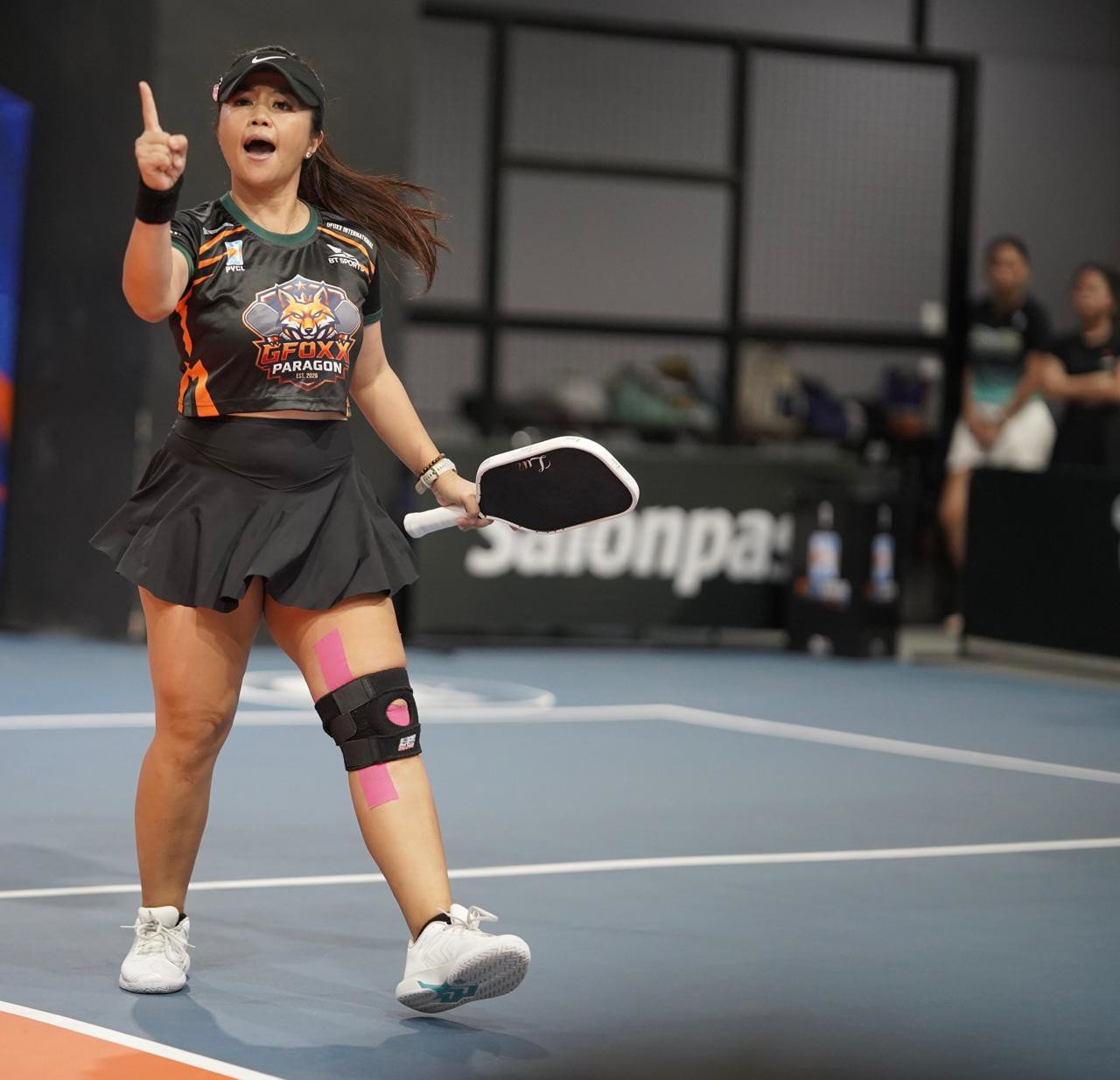
9. As someone who has competed internationally for the Philippines, what do you believe a competition such as PYCL needs to accomplish to establish itself as a sustainable platform for emerging athletes?
Bien Zoleta-Mañalac: First, I want to commend PYCL for taking the initiative to establish the first professional pickleball league in the Philippines. I think that is something worth recognizing because they opened doors for athletes like us to experience what it means to play professionally, represent a franchise and have opportunities to earn through the sport we love.
Coming from a background in tennis and soft tennis, where I’ve experienced representing the country internationally, I understand how important it is for athletes to have a platform where they can develop their skills and pursue a career in sports. PYCL has taken that first big step by creating an avenue for Filipino and international players to compete, gain exposure and be recognized as professional pickleball athletes. For the league to become sustainable, I believe consistency is key.
We need to continue having seasons, build stronger partnerships with sponsors and organizations, attract more audiences and create opportunities for more players, especially the younger generation. I would also love to see a stronger development pathway where grassroots players can eventually work their way into competitive leagues and professional careers. Another important aspect is continuing to invest in the players. When athletes are given proper opportunities, support and a professional environment, they become more motivated to improve and contribute to the league’s growth. I believe PYCL has already opened the door.
Now, the challenge and opportunity are to keep that door open for more athletes and make the league bigger and better with every season. As an athlete, I am grateful that someone took the initiative to create this platform. Because of PYCL, playing pickleball professionally in the Philippines is no longer just an ambition; it has become a real opportunity. And I hope we continue building on that opportunity so more Filipino athletes can turn their passion into a profession.
What Philippine racket sports need next
10. Your Asian Games achievement demonstrates what Filipino athletes can accomplish, even in sports that receive relatively limited mainstream attention. What are the biggest challenges facing athletes in developing racket sports in the Philippines, particularly regarding facilities, coaching, funding, and international competition?
Bien Zoleta-Mañalac: I think one of the biggest challenges facing athletes in developing racket sports in the Philippines is the lack of consistent opportunities and resources. We have a lot of talented Filipino athletes but talent alone is not enough to compete at the international level. First, facilities. Not all areas in the country have access to proper courts and training venues. Sometimes, athletes have to travel just to find a facility where they can train and develop their skills.
If we want to grow these sports, we need more accessible and well-maintained facilities, especially outside Metro Manila, so that young talents from different provinces can also have opportunities. Second, coaching and development. We need more certified and well-trained coaches who understand the technical and tactical demands of these sports. Grassroots development is very important because we cannot expect to produce international-level athletes if we don’t invest in teaching the fundamentals at an early age. We also need to develop our coaches alongside our athletes. Third, funding and financial support.
Competing internationally requires a lot of preparation, from training camps and tournament entries to airfare, accommodation, equipment, and recovery. These are investments that not every athlete or association can afford. Consistent support is important because preparing for an international competition should not become an additional financial burden for athletes who are already dedicating so much of their time and effort to representing the country. Lastly, international exposure. We cannot develop if we only compete within our own country.
Athletes need opportunities to compete against stronger players, experience different playing styles, and understand the level required to succeed internationally. Training camps abroad and participating in international tournaments are essential parts of that development. Our Asian Games bronze medal in soft tennis is proof that Filipino athletes can compete and make history even in sports that don’t always receive mainstream attention. But I also hope people understand that behind every medal are years of preparation, sacrifices and support from many people and institutions.
I believe we need a stronger and more sustainable sports development system, where grassroots programs, schools, local government units, national sports associations and the private sector work together. We should not wait for Filipino athletes to win medals before we give their sports attention and support. We need to invest in them while they are still developing because the next Asian Games medalist might just be a young athlete waiting for an opportunity to be discovered.
11. What advice would you give young Filipino athletes who are interested in pursuing soft tennis or pickleball but are unsure whether these sports can offer meaningful competitive opportunities?
Bien Zoleta-Mañalac: My advice would be: don’t be afraid to pursue a sport just because it is not yet as popular or widely recognized as others. Sometimes, the greatest opportunities are found in sports that are still growing. I am a living example of that. Through soft tennis, I was able to become a varsity athlete, represent the Philippines internationally won 4 SEA GAMES Gold Medals, compete in five Asian Games editions and eventually become part of the team that made history by winning our country’s first-ever Asian Games medal in soft tennis.
It was a journey I never imagined would bring me this far. And now, through pickleball, I have found another avenue to continue competing, growing and pursuing opportunities as a professional athlete. With the emergence of platforms like PYCL, Filipino players are beginning to experience opportunities to compete professionally right here in our country. I would encourage young athletes to explore these sports, find good coaches, learn the fundamentals, join competitions and surround themselves with people who will help them grow.
Don’t be afraid to start small or be among the first in your community to pursue something different. Every champion starts somewhere. Of course, the journey will not always be easy. There will be limited opportunities, challenges and moments when you question whether all your sacrifices will be worth it. But don’t let the current limitations of a sport define what you can achieve in the future. Don’t wait for a sport to become popular before you decide to be part of it.
You might be one of the athletes who will help put that sport on the map. And always remember, you don’t have to be in the most popular sport to make your country proud. You just have to be willing to work for your dream and represent something bigger than yourself. Kung para sa’yo, para sa’yo. Just keep showing up, keep believing, and keep working.
12. Looking beyond medals, rankings, and individual matches, what has your sporting journey taught you about perseverance, representing your country, and personal success? And what ambitions are you most determined to pursue next?
Bien Zoleta-Mañalac: Looking back at my sporting journey, I realized that perseverance is not just about continuing to win or pushing yourself to achieve another medal. Sometimes, perseverance means finding the courage to start all over again especially when life takes you away from the things you love. One of the biggest turning points in my career was my ACL reconstruction. It was one of the most difficult chapters of my life as an athlete. I had to go through rehabilitation, rebuild my strength, regain my confidence and learn to trust my body again.
There were days when I questioned whether I could still return to the level where I used to compete. I also had to accept that recovery takes time and that I couldn’t rush the process. But that experience taught me that being an athlete is not just about how strong you are when you’re winning. It’s also about who you become when you’re faced with setbacks. I discovered a different kind of strength in myself and I learned to appreciate every opportunity to step back on the court.
Representing the Philippines has also given my journey a deeper purpose. After five Asian Games editions, finally standing on the podium and seeing our flag raised was something I will carry with me for the rest of my life. But more than the medal, I value the people who became part of that journey, the sacrifices made along the way and the opportunity to inspire others through our story. Today, I see personal success differently. It is no longer measured only by medals, rankings or titles.
It is also about how many times you were able to rise after falling, how many people you were able to inspire and how you used your opportunities to open doors for others. As for my next ambitions, I still want to continue representing the Philippines and competing at the highest level that I can. In soft tennis, I want to help develop the next generation and contribute to making our country more competitive internationally.
In pickleball, I want to continue growing as a professional athlete, compete in more international tournaments and see how far I can take this new chapter of my sporting career. I also want to continue sharing what I’ve learned through coaching and helping young athletes discover opportunities in racket sports. My ACL journey taught me that a comeback is not always about returning to who you were before. Sometimes, it’s about becoming someone stronger, wiser and more purposeful than you were before the fall.
Moving forward, I hope to be remembered not only for the medals I won but also for the doors I helped open and the people I inspired along the way. My ACL injury may have changed my path and my Asian Games medal may have fulfilled one of my biggest dreams but I believe I still have more to contribute. The goal now is not just to keep proving what I can do but to help others discover what they can achieve, too.
Pickleball terms used in the interview
What is the kitchen in pickleball?
The kitchen is the non-volley zone extending seven feet from the net on each side. Players may enter it, but they cannot volley while touching it or its boundary line, and momentum from a volley must not carry them into it. The Philippine Pickleball Federation’s rules guide explains the restriction.
What is a dink, and why does Zoleta-Mañalac emphasize it?
A dink is a soft shot played after a bounce and directed into the opponent’s non-volley zone. USA Pickleball’s explanation of dinking describes its role in keeping the ball low and limiting attacking opportunities. Zoleta-Mañalac says developing that control and patience is one of her main adjustments from power-oriented racket sports.