Editor's Choice
FIFA World Cup 2026 Giants Are Ready
![]()
Argentina, Brazil, Germany and England Finish FIFA World Cup 2026 Preparations With Wins
The last dress rehearsal before the FIFA World Cup 2026 is complete, and the message from football’s biggest nations was clear. The traditional powers are not arriving cold.
Argentina, Brazil, Germany, England, Belgium, and Portugal all ended their final warm-up phase with victories, giving their coaches exactly what they needed before the tournament pressure takes over: rhythm, confidence, useful minutes, and fewer doubts.
Friendly results do not decide World Cups. Every serious coach knows that. A good warm-up win can disappear from memory after one poor group-stage performance. A dull friendly can still precede a strong tournament. But the final match before a World Cup still carries meaning because it tells us something about mood, selection clarity, team fitness, and how players respond when the real stage is close enough to feel.
On that front, the leading contenders gave themselves something to build on.
Argentina beat Honduras 2-0 without using Lionel Messi. Brazil edged Egypt 2-1. Germany defeated co-host United States 2-1 in Chicago. England beat New Zealand 1-0 through a Harry Kane header. Belgium thrashed Tunisia 5-0. Portugal overcame Chile 2-1 in a physical match that finished with both teams down to ten men.
None of these wins guarantees a deep World Cup run. But together, they created the kind of pre-tournament picture the major teams wanted: organized, competitive, and moving in the right direction.
Argentina Show They Can Win Without Leaning on Messi
Argentina’s 2-0 win over Honduras carried more weight than the scoreline suggested because Lionel Messi stayed on the bench.
For most teams, resting the greatest player in their history would dominate the conversation. For Argentina, it became a useful test of balance. The defending world champions needed to show they could control a match, create chances, and manage the occasion without turning every attacking sequence into a search for Messi.
They did enough.
Lautaro Martinez and Giuliano Simeone gave Argentina the goals, and the team moved through the game with the calmness expected from a side that has already climbed the mountain. That matters before a World Cup. Champions often enter tournaments under a different kind of pressure. They are not chasing belief. They are trying to protect it.
Argentina’s biggest strength remains their emotional structure. They play with the confidence of a team that knows how to survive tournament football. Their 2022 triumph was not built only on Messi’s genius. It was built on collective sacrifice, midfield control, defensive resilience, and the ability to respond after setbacks.
This final friendly suggested that Argentina still carry those habits.
The win over Honduras did not need to be spectacular. It needed to be clean to keep the squad moving. It needed to protect Messi while giving others responsibility. Argentina checked those boxes.
That is exactly what a final friendly should do.
ALSO READ: How Much Lennart Karl Injury Will Cost Germany in FIFA World Cup 2026?
Brazil’s Win Over Egypt Shows Competitive Edge Under Pressure
Brazil’s 2-1 win over Egypt was tighter than some expected, but that may have made it more useful.
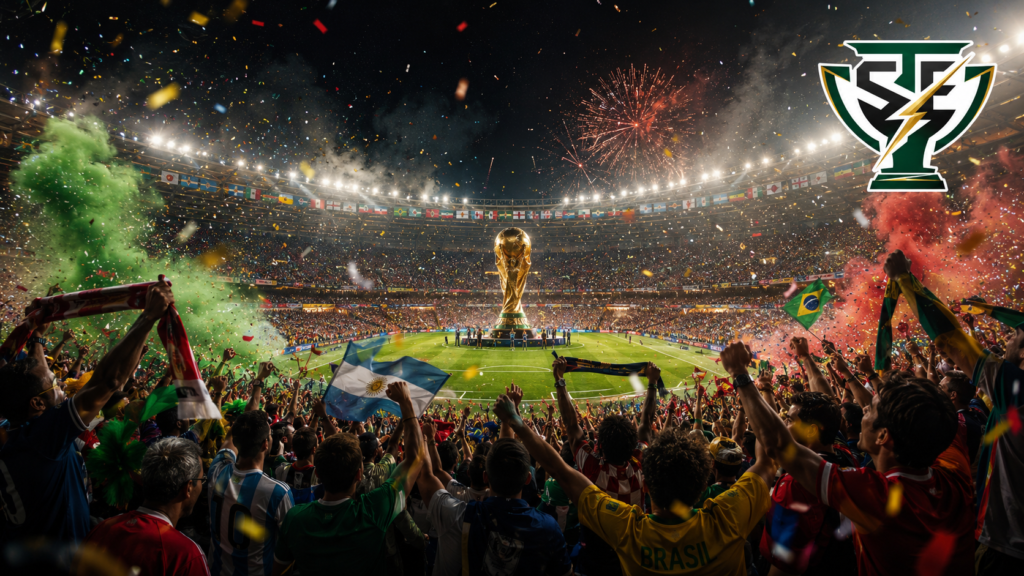
A comfortable friendly can build confidence, but a competitive one can teach more. Egypt forced Brazil to work, adjust, and stay sharp. For a team with huge attacking expectation, that kind of test can help more than a simple exhibition win.
Brazil enter every World Cup under a familiar burden. Talent is never the question. The question is whether the talent connects under pressure. Every Brazilian squad must carry the memory of past greatness, the demand for expressive football, and the national expectation that anything short of a serious title challenge feels incomplete.
That is not easy to manage.
Against Egypt, Brazil found a way through a demanding match. That matters because the World Cup will not give them only open games and generous spaces. Many teams will sit deep, compete physically, and try to frustrate their rhythm. Brazil must prove they can win when the match does not flow beautifully.
This result offered a small but useful sign.
The main concern from the match was the injury situation around right back Wesley, which introduced an unwanted question so close to the tournament. Injuries in final friendlies are every coach’s nightmare. The aim is to sharpen the team without losing players. Brazil got the result, but they will hope the physical cost does not become part of the bigger story.
Still, the performance showed competitive edge. Brazil did not need to dominate headlines. They needed to finish preparations with focus and a win. They did that.
Germany Beat the United States and Rebuild Competitive Confidence
Germany’s 2-1 win over the United States may have been one of the most important results of the final friendly round.
Germany do not enter the FIFA World Cup 2026 with the same emotional baggage as Argentina or Brazil. Their burden is different. They are trying to repair a damaged World Cup identity after group-stage exits in 2018 and 2022.
For a four-time world champion, that history hurts.
Julian Nagelsmann’s team needed a performance that looked serious, not experimental for the sake of it. The win over the United States gave Germany a valuable result against a co-host nation playing in front of a charged home crowd. Kai Havertz and Leroy Sane scored, while the United States responded through Antonee Robinson.
That type of match helps Germany because it forces concentration.
A friendly against a motivated host nation can feel closer to tournament tempo than a low-pressure warm-up. The United States had energy, crowd support, and a clear reason to test themselves. Germany had to manage resistance, recover from pressure, and find the winning moment.

For Nagelsmann, that is more useful than a soft win.
Germany’s challenge at this World Cup will not be talent. The squad has technical quality, intelligent midfielders, and attacking options who can hurt opponents in different ways. The real issue is consistency. Can Germany control matches without becoming predictable? Can they defend transitions? Will they handle pressure when the game becomes emotionally messy?
The United States friendly did not answer every question, but it gave Germany positive momentum before their opener.
That matters for a team trying to change the mood around itself.
England Win, But Tuchel Still Has Work to Do in FIFA World Cup 2026
England’s 1-0 victory over New Zealand had a different feel.
The result was positive. Harry Kane scored with a header, adding another reminder of why he remains England’s most reliable tournament weapon. But this was not a performance that will scare every rival on its own.
That may not be a bad thing.
Thomas Tuchel rotated heavily and used the match to examine options, manage workloads, and protect players in difficult conditions. Final friendlies often become less about style and more about information. Managers want to know who is sharp, who can adapt, who handles heat, who follows structure, and who looks ready for responsibility.
England won, but the narrow scoreline suggests there is still room for improvement.
That has become a familiar theme around England. They often have enough talent to win matches, but the debate surrounds rhythm, selection balance, and whether the team can turn possession into sustained attacking pressure. Kane gives England a world-class reference point. The players behind him must now create the conditions for him to matter in the biggest matches.
The New Zealand win should calm England’s preparation rather than inflate it.
They got the victory, and avoided a damaging result. They gave players minutes and moved into the tournament with their captain scoring. Those are useful signs.
But Tuchel will know the FIFA World Cup 2026 will demand sharper execution than a one-goal friendly win.
Belgium Send the Loudest Warning With Five-Goal Display
Belgium’s 5-0 win over Tunisia was the most convincing scoreline of the day, and it should not be ignored.
Belgium have spent years living between expectation and transition. Their golden generation made them one of world football’s most respected teams, but major tournament success never fully arrived. Now, as the squad evolves, every strong performance invites the same question: are Belgium still a serious threat?
A five-goal win before the FIFA World Cup 2026 is not enough to declare them title favorites. But it does show attacking rhythm, confidence, and squad hunger.
The most encouraging part was not only the margin. It was the spread of contribution. When different players score and influence the game, a team becomes harder to read. Opponents cannot build a plan around stopping one source of danger. Belgium’s best World Cup version will need exactly that kind of shared threat.
Romelu Lukaku’s return to action also gives Belgium another layer of interest. Tournament football often rewards proven penalty-box players. Even if they do not dominate every minute, they can decide matches from one cross, one rebound, or one defensive mistake.
Belgium’s win over Tunisia was the kind of friendly result that gives a squad energy. It tells players that the work is connecting. Moreover, it gives the coaching staff confidence in attacking patterns. It reminds rivals that Belgium still have enough firepower to punish weak moments.
Among all the traditional contenders in this final friendly round, Belgium made the loudest statement.
Portugal Show Grit in a Physical Test Against Chile
Portugal’s 2-1 win over Chile was less about comfort and more about resilience ahead of the FIFA World Cup 2026.
A physical match, two red cards, and late-tournament tension gave Portugal a different kind of preparation. Warm-up matches can sometimes feel too controlled. This one gave Portugal friction, and friction can be valuable before a World Cup.
Portugal have enough quality to beat many teams through technique, passing, and individual attacking talent. But World Cup knockout matches often become scrappy. Refereeing decisions, physical duels, emotional flashpoints, and game management can decide outcomes.
The Chile friendly gave Portugal a taste of that edge.
Winning in that kind of environment can strengthen a team’s mentality. It reminds players that not every match will reward clean football. Sometimes a side has to absorb contact, manage frustration, and keep enough structure to win anyway.
Portugal did that.
The danger, of course, is discipline. Playing with emotional heat can help, but losing control can damage a tournament campaign. Portugal will need to carry the competitive edge without allowing it to spill into unnecessary risk.
Still, as final preparations go, this was a useful test. Portugal came through it with a win, and that is what contenders want before the real tournament begins.
Why Momentum Matters Before the FIFA World Cup 2026
Momentum in football is often misunderstood.
It does not mean a team will keep winning simply because it won a friendly. It does not mean a strong warm-up result automatically translates into a strong World Cup. But momentum does affect confidence, media pressure, training mood, and internal belief.
Players feel the difference between entering a tournament after a win and entering after a flat defeat.
Coaches feel it too.
A positive final friendly gives a manager more room to work. It not only reduces external noise but helps players trust the plan. It allows the team to focus on tactical details instead of explaining what went wrong.
That is why this final round mattered.
Argentina protected Messi and still won. Brazil faced resistance and still found a way. Germany handled a strong test against a co-host. England won while rotating heavily. Belgium delivered a statement performance. Portugal survived a physical contest.
Each team got something different from the day.
Together, they showed that the traditional powers understand the assignment. The World Cup does not begin with full answers. It begins with readiness. These teams look ready enough to start the FIFA World Cup 2026.
FIFA World Cup 2026: The Favorites Arrive With Their Engines Warm
The biggest takeaway from the final World Cup friendlies was not the scorelines.
It was the collective mood.
The major nations reached the starting line with their engines warm. Not perfect; not fully proven, not free from concern. But organized, competitive, and carrying positive energy.
That is all a final friendly can truly offer.
Argentina showed maturity without Messi. Brazil showed winning instinct under pressure. Germany showed they can handle a serious test while trying to rebuild their World Cup reputation. England showed they can win even when the performance is more functional than fluid. Belgium showed attacking power. Portugal showed grit.
None of these teams should be judged only by these results. The FIFA World Cup 2026 will ask harder questions. It will test depth, fitness, discipline, tactical clarity, and emotional control. It will expose teams that look good in controlled conditions but struggle when pressure rises.
Still, contenders prefer to enter that storm with a win behind them.
That is what these friendlies delivered.
The final rehearsal is over. The lights are coming on. The real judgment begins now.

Editor's Choice
When Paris Welcomed Two New French Open Champions
![]()
Paris, France – June 9, 2026: There are days at Roland Garros when tennis feels like a sport. Then there are days when it feels like confession. The 2026 French Open finals gave me both.
I watched Mirra Andreeva win her first Grand Slam title on Saturday with the stillness of someone much older than 19. I watched Alexander Zverev win his first major on Sunday with the exhaustion of someone who had been carrying the same question for years.
Two finals. Two first-time champions. Two completely different kinds of release.
Paris does this better than any city in tennis. The clay slows the ball, but it also slows the truth. You see the work. You see the doubt. You see the little hesitation before courage arrives.
By the end of the weekend, Court Philippe-Chatrier had not just crowned champions. It had exposed what they had to overcome to become champions.
Saturday Felt Like Watching a Girl Grow Up in Public
The women’s final between Mirra Andreeva and Maja Chwalińska began with a strange emotional balance.
On one side stood Andreeva, the prodigy everyone had been waiting for, a player with touch, timing, imagination, and that rare ability to make a tennis court feel wider than it is.
On the other side stood Chwalińska, the qualifier who had made a run so unlikely that it carried its own magic. You could feel how much the crowd wanted to believe in the story. Paris respects talent, but it has always had a soft spot for survival.
At first, I watched Andreeva’s face more than her racket.
That is what I do at finals. Everyone watches the ball. I watch the eyes.
Her eyes were calm.
Not empty. Not cold. Calm.
There was pressure in the air, of course. You could feel it before the first ball. A Grand Slam final does not need noise to feel heavy. Sometimes the pressure arrives in the quiet moments, when the ball kids are still, the towels are folded, and thousands of people wait for one teenager to prove she is ready.
Andreeva was ready.
She moved through the first set as if she had made a private agreement with herself. She did not need to hit every ball harder. She did not need to perform greatness. She simply trusted her patterns, opened the court, and refused to let the match become bigger than her.
That impressed me more than the score.
Young players often rush into history. Andreeva walked into it.
The Moment Andreeva Took the French Open Final Away
For me, the key moment of the women’s final was not one dramatic winner. It was the stretch when Chwalińska needed the match to become messy, and Andreeva refused to give her that gift.
That is where finals are often stolen.
A nervous service game. A double fault. A loose forehand. A crowd shift. Suddenly, a match that looked clear becomes dangerous.
Andreeva never allowed that emotional leak.
She stayed present. She accepted the small errors. She returned to the next point with the same face, the same rhythm, the same quiet refusal to panic.

I remember thinking: this is not just a young player having a great tournament. This is a young player learning how to hold a room.
That matters at Roland Garros.
Chatrier is not only a tennis court. It is a public examination. The red clay does not let you hide. Every slide, every miss, every frustrated glance feels visible. Andreeva handled that exposure with unusual maturity.
When she closed the match 6-3, 6-2, the moment felt clean but not simple.
She smiled like a teenager. She won like a professional. Then she spoke like someone who understood that belief had been the real opponent all along.
When she thanked herself for believing in herself, I did not hear arrogance.
I heard relief.
I heard a young woman saying, maybe for the first time on the biggest stage, that she had not abandoned herself when the pressure arrived.
That stayed with me.
Sunday Was Heavier Before the First Ball
The men’s final felt different from the beginning.
Alexander Zverev versus Flavio Cobolli had a louder emotional weight. Cobolli brought youth, fire, and the wonderful danger of a player with nothing to lose. Zverev brought the past.
You could feel it.
This was not just another final for him. It was the fourth Grand Slam final of his career. It was Roland Garros, where he had already suffered so much. It was the same tournament where his ankle injury in 2022 became one of the most painful images modern tennis has seen.
I do not think athletes carry memories in a poetic way. I think they carry them physically.
In the shoulders. In the serve toss. In the first step after a missed chance. In the breath before a second serve.
Zverev looked strong early. He took the first set 6-1 and seemed to have control of the match. But tennis rarely gives first Grand Slam titles in a straight line. Cobolli began to fight his way into the final, and the Italian energy around Chatrier started to grow.
By the second set, the match had changed.
Cobolli was no longer just participating in Zverev’s story. He was trying to write his own.
Cobolli Made the Crowd Believe
I loved Cobolli’s resistance.
Not because I wanted Zverev to suffer, but because finals need friction. They need someone to push the favorite into the part of himself he would rather avoid.
Cobolli did that.
He played with nerve, especially after the first set threatened to run away from him. He found depth, emotion, and courage. He made Zverev hit more balls. He made the crowd louder. He made the final breathe.
When Cobolli took the fourth-set tiebreak, Chatrier felt electric.
That was the moment I felt the whole match tilt toward memory.
For Zverev, the danger was obvious. Another final. Another fifth set. Another possible chapter in the long story of almost.
I looked at him after the fourth set and wondered what he was hearing inside his own head.
That is the cruelty of tennis. No coach can walk onto the court and rescue you. No teammate can cover your weakness for five minutes. You are alone with the score, the crowd, the opponent, and whatever ghosts you brought with you.
Zverev brought many.
Then, somehow, he put them down.
The Fifth Set Felt Like a Man Escaping Himself
The final set was the emotional center of the weekend for me.
Zverev had been cramping. He had been stretched physically and mentally. The match had every ingredient for collapse. But instead of shrinking, he loosened.

That is what it looked like from the stands.
His shots became clearer. His decisions came faster. His serve had more authority. Cobolli, so brave for so long, suddenly looked like the man trying to keep up with someone who had found the exit from a locked room.
Zverev won the fifth set 6-1.
That number looks cold on paper. It did not feel cold in the stadium.
It felt like release.
When championship point ended, I watched Zverev carefully. There was joy, of course, but there was also disbelief. First Grand Slam titles often bring celebration. This one brought a kind of emotional silence before the celebration arrived.
That is what years of waiting can do.
You do not always explode immediately. Sometimes you need a second to understand that the thing chasing you has stopped.
Roland Garros Gave Zverev Proof
Zverev’s win mattered because it changed the sentence attached to his name.
Before Sunday, he was the great player still waiting for a major. After Sunday, he became a Grand Slam champion.
That change is not cosmetic. In tennis, it alters how a player is remembered, discussed, and judged. It also changes how he walks into the next pressure match.
Watching him lift the trophy, I thought about how unfair and beautiful sport can be.
For years, Zverev had lived with the question. Could he finish? Could he win the one that mattered most? Could he take the final step?
Paris answered him.
Not gently. Not easily. But completely.
French Open 2026: Two Champions, Two Different Lessons
What moved me most about the weekend was how different the two champions felt.
Andreeva’s victory was about protecting clarity before the world could take it from her.
Zverev’s victory was about finding clarity after the world had been questioning him for years.
One champion played like the future had arrived early. The other played like the past had finally loosened its grip.
Both stories felt deeply human.
That is why I love covering tennis in France. Roland Garros does not reward only power. It rewards patience, problem-solving, endurance, and emotional honesty. The clay asks questions that hard courts sometimes skip. It demands one more shot, one more adjustment, one more honest look at yourself.
Andreeva answered with calm.
Zverev answered with survival.
What I Will Remember
I will remember Andreeva’s face after match point, that mixture of disbelief and certainty that only young champions seem to carry.
I will remember Chwalińska walking away from a final she lost but did not fail.
I will remember Cobolli forcing a fifth set and making thousands of people believe that his dream still had room.
I will remember Zverev in the final set, no longer playing against all the finals he had lost, but playing toward the one he was finally about to win.
Most of all, I will remember the sound of Paris when each champion crossed the line.
For Andreeva, it sounded like discovery.
For Zverev, it sounded like release.
That is the beauty of Grand Slam tennis. Sometimes the trophy is not only a prize. Sometimes it is an answer.
At Roland Garros this year, Mirra Andreeva and Alexander Zverev did more than win.
They became easier to understand.
Editor's Choice
3 Biggest Challenges for the FIFA World Cup 2026 Organizers
![]()
NEW YORK, United States – June 9, 2026: The FIFA World Cup 2026 will bring the best footballers on earth to North America, but the success of the tournament will not depend only on goals, saves, red cards and knockout drama.
It will also depend on whether fans can get into stadiums safely, reach venues without losing half a day in traffic, trust the ticketing system, move through host cities with confidence and feel protected without feeling trapped inside an overmanaged event.
That is the real test facing FIFA, local organizers, law enforcement agencies, transport operators and host-city officials.
The FIFA World Cup 2026 is not just bigger than previous editions. It is structurally different. It features 48 teams, 104 matches and 16 host cities across the United States, Canada and Mexico. It stretches across three countries, multiple jurisdictions, four time zones and several different transportation cultures. It will draw local fans, international travelers, corporate guests, casual viewers and supporters who have waited their entire lives to watch their country play on this stage.
That makes the 2026 edition a football tournament, a tourism event, a security operation, a transport challenge, a digital-ticketing stress test and a global broadcast product at the same time.
For American soccer fans, this is the most important football summer ever staged on home soil. For fans traveling to the United States, it may become the trip of a lifetime. For viewers watching around the world, the tournament will shape how they see North America as a football host.
But the organizers of the FIFA World Cup 2026 now face three challenges that could define the entire event before a champion is crowned.
Security. Ticketing. Transportation.
Get those right, and the football can shine. Get them wrong, and the tournament risks becoming remembered as much for frustration as spectacle.
Challenge 1: Building a Security Operation That Works Without Killing the Fan Experience
The first major challenge is the most serious one.
FIFA World Cup 2026 requires a security system large enough to protect millions of fans, players, team staff, officials, media crews and local communities across three countries. Yet that same system must stay smooth enough that supporters still feel like they are attending a football celebration, not moving through an airport lockdown.
That balance is not easy.
Security planners are dealing with stadium perimeters, training sites, hotels, airports, fan festivals, public transit hubs, downtown gathering zones and high-profile team movements. The scale is enormous. Reports indicate that hundreds of law enforcement agencies are working with federal authorities, private security firms and local partners across the tournament footprint.
ALSO READ: Will the FIFA World Cup 2026 Be Live on YouTube? What Global Soccer Fans Need to Know
For organizers, the threat picture is broad. It includes crowd-control problems, drone incidents, cyberattacks, medical emergencies, political protests, disorder around high-tension matches, ticket fraud, weather-related incidents and ordinary criminal activity that tends to rise around large tourist events.
Fans often think of security as something that begins at the stadium gate. In 2026, that view is too narrow.

Security will begin when a fan opens the mobile ticket app, checks an official route, enters a fan zone, approaches a transit hub, walks through a downtown crowd or tries to bring restricted items into a venue. A supporter may never see the full operation, but the full operation will shape almost every step of the matchday journey.
FIFA’s official fan-safety guidance already makes clear that prohibited items will be a major matchday issue. Fans can be refused entry if they bring banned objects into the stadium area. That means match-going supporters need to think before they pack. Weapons, explosives, fireworks, smoke devices, tools and other dangerous items are obvious problems. But everyday objects can also create delays if they violate local stadium rules or FIFA’s event regulations.
This is where communication matters.
A great security plan can still fail in public perception if fans do not understand it. A supporter who waits 45 minutes at an entry point because of a prohibited bag will not blame himself first. He will blame the venue. A family forced to throw away expensive items at the gate may remember the inconvenience more than the match. A fan traveling from abroad may not know how strict U.S. venue policies can be compared with stadium habits in Europe, South America, Africa or Asia.
Organizers must therefore treat security communication as part of security itself.
That means clear instructions before matchday, simple language in multiple languages, consistent rules across platforms, and visible support staff who can guide people before they reach the final checkpoint. It also means avoiding last-minute policy confusion where possible.
The hydration debate already showed how quickly operational choices can become fan-experience stories. FIFA faced criticism after updating rules around water bottles and stadium access, with supporters raising concerns about heat, comfort and affordability. In a North American summer, especially in cities where temperatures can climb sharply, fans will care about shade, water access, waiting times and medical response.
This is not a side issue. It is central to safety.
The 2026 World Cup will take place during summer conditions that vary widely by host city. A matchday in Seattle will feel different from one in Houston, Miami, Kansas City, Dallas or Mexico City. Even within the United States, climate conditions will demand different operational choices.
The best organizers will not treat security as a single national template. They will adjust by city, venue, weather, crowd profile and match risk.
A group-stage match involving two lower-profile teams may not need the same outer-perimeter intensity as a knockout match involving fierce rivals. A daytime match in extreme heat needs different crowd-support planning than an evening match in milder weather. A fan festival screening a major rivalry game may require as much situational awareness as the stadium itself.
For fans, the practical advice is simple.
Arrive early. Travel light. Check the official stadium guide before leaving your hotel. Keep your phone charged. Download the mobile ticket app before matchday. Do not assume rules from your home stadium will apply. Follow official host-city and FIFA communication rather than social media rumors.
For global viewers, security will matter in a different way. A smooth event allows television coverage to focus on football. A messy one pushes logistics into the broadcast narrative.
That is why security is the first and biggest challenge. It does not need to dominate headlines to define the tournament. In fact, if it works perfectly, most fans will barely talk about it.
That is the goal.
Challenge 2: Restoring Trust in a Ticketing System Under Heavy Pressure
The second challenge is ticketing, and this one already carries tension.
The FIFA World Cup 2026 is expected to attract extraordinary demand. That demand gives FIFA enormous commercial opportunity, but it also creates one of the most sensitive fan issues in modern sport: access.
Tickets are more than digital passes. They represent emotional investment. Fans build trips around them. Families spend savings on them. Supporters cross continents for them. When anything goes wrong, frustration hits hard.
FIFA recently had to cancel around 60 ticket reservations after a website checkout error allowed some fans to secure tickets at no charge. The governing body contacted affected buyers and asked them to complete payment at the correct price if they wanted to keep the tickets.
On its own, that incident affected a small number of people. In a tournament of this size, 60 transactions are barely a statistical ripple.
But the symbolism matters.
Ticketing has already become one of the most scrutinized parts of this World Cup. Fans have raised concerns about prices, seat locations, dynamic pricing and availability. New York and New Jersey officials have also examined ticketing practices connected to matches at MetLife Stadium, including the final.

That puts FIFA in a delicate position.
The organization must manage huge demand while convincing fans that the process is fair, transparent and reliable. It must also protect buyers from scams, keep tickets inside official channels, prevent fraud, handle resale pressure, and make mobile ticketing work across millions of users.
This is not just a technology challenge. It is a trust challenge.
Modern fans know that major events use dynamic pricing, but they do not always accept it. Football supporters often view the World Cup differently from concerts or private entertainment events. To them, this tournament belongs to the public imagination. They understand that prices will be high, but they expect the process to feel honest.
When ticket prices rise quickly or seat categories create confusion, fans feel locked out of something they helped build through decades of loyalty to the sport.
That feeling becomes even stronger in North America. Many local fans may never again get a chance to attend a men’s World Cup match in their own region. International fans may have already paid for flights, hotels and visas before securing final ticket clarity. Families may be choosing between one match and an entire vacation budget.
For American soccer fans, the ticketing issue also cuts across the growth of the sport. The tournament has a chance to bring new supporters into the game. But if entry feels too expensive, too confusing or too corporate, the World Cup may reinforce the idea that elite football is becoming unreachable for ordinary fans.
FIFA and local organizers cannot control every resale conversation or every complaint about price. But they can control clarity.
Fans need to know where to buy official tickets, how mobile tickets work, what app they need, when tickets appear, what documents they must carry, how transfers work and what happens if a phone fails at the gate.
FIFA’s ticketing support has emphasized that fans need a valid digital ticket available through the official mobile tickets app for stadium entry. That point cannot be repeated enough. In a tournament of this size, unofficial screenshots, resale scams and fake PDFs will create real problems if fans rely on unsafe channels.
This is where organizers must communicate like public-service agencies, not only like event marketers.
They should push clear reminders in simple language:
Use official channels. Download the correct app early. Do not buy from unknown sellers. Do not rely on screenshots. Keep payment confirmation. Charge your phone. Know the stadium entry policy. Check your ticket before leaving for the venue.
The ticketing system also affects security and transportation. If thousands of fans face app issues near kickoff, entry lines grow. If entry lines grow, crowd pressure builds. If crowd pressure builds, transport departure windows collapse. A digital problem can quickly become a stadium-management problem.
That is why ticketing cannot be treated as an isolated back-end function. It sits at the center of the fan journey.
For global viewers, ticketing matters because full stadiums shape the atmosphere. A World Cup match without noise loses something essential on television. FIFA does not simply need buyers. It needs the right mix of fans inside stadiums: locals, traveling supporters, families, neutrals, diehards and national-team communities.
The best World Cups feel alive because the stands tell their own story.
If 2026 wants that atmosphere across 104 matches, ticketing must do more than generate revenue. It must support access, trust and movement.
Challenge 3: Moving Millions of Fans Across a Continent-Sized FIFA World Cup 2026 Tournament
The third challenge may become the one fans feel most often: transportation.
FIFA World Cup 2026 is not a compact tournament. It is not Qatar, where fans could attend multiple matches in one day. It is not a single-country European tournament where rail networks connect many host cities easily. This tournament stretches across North America, and that means the geography itself becomes part of the competition.
Fans will move between airports, hotels, stadiums, training bases, fan festivals, downtown areas and sometimes entirely different cities. Some will try to follow one national team across the group stage. Others will attend multiple matches in different regions. Many international visitors will experience American car-dependent urban design for the first time.
That is where reality hits.
Some host cities have strong public transit systems. Others depend heavily on rideshare, buses, shuttles, parking systems and temporary event routes. Stadiums vary widely. Some sit close to downtown. Others sit in suburban areas. Some are easier to reach by train. Others may require careful last-mile planning.
ALSO READ: FIFA World Cup 2026 Giants Are Ready
Reuters has reported that rail and bus operators see the World Cup as a chance to prove that North American ground transportation can handle major international demand. That ambition is important, but ambition alone will not move fans after a 10 p.m. kickoff.
The fan experience will depend on execution.
Can host cities provide clear routes from airports to hotels? Can they move crowds from fan festivals to stadiums? Can they support late-night departures after extra time and penalties? Can they manage rideshare congestion? Can they help visitors who do not speak English? Can they accommodate disabled fans and families with children? Can they prevent gridlock around stadiums when private cars, buses, police routes and emergency vehicles all compete for space?
New York City’s World Cup travel guidance already points to the scale of planning required, including temporary dedicated corridors for World Cup-related transportation and matchday traffic management. That kind of planning will matter across the country, especially in cities where stadium access depends on regional coordination.

For fans, the transport challenge begins before booking a hotel.
A cheap hotel far from the stadium may become expensive if rideshare prices surge. A flight arriving on matchday may be risky if airport queues, traffic or security delays build up. A group planning to drive may discover that parking is limited, costly or far from the venue. A fan relying on public transit may need to check service hours after night matches.
This is where The Sports Encounter’s advice is blunt: do not plan a World Cup match like a regular league game.
Plan it like an international travel day.
Leave earlier than you think you need to. Know your return route before kickoff. Save offline maps. Identify official shuttle points. Keep backup payment options. Check whether your stadium has specific drop-off zones. Avoid bringing luggage near stadium areas. Build in time for security screening. Confirm the last train or bus before the match starts.
For American fans, this may feel excessive. For international fans, it may feel normal. Either way, it will reduce stress.
Transportation also affects the tournament’s environmental and legacy goals. A World Cup that pushes everyone into private cars will create congestion, emissions and frustration. A tournament that demonstrates reliable transit can leave a lasting benefit for host cities.
That legacy question matters. The United States, Canada and Mexico are not building this event only for six weeks of football. They are presenting North America as a long-term football market. Smooth transport strengthens that argument. Chaotic movement weakens it.
The best host cities will use the World Cup to teach visitors how to move through them. That means clear signage, multilingual updates, real-time service alerts, visible volunteers, accessible transportation and honest communication when delays happen.
Fans can forgive crowds. They struggle to forgive confusion.
FIFA World Cup 2026: Why These Three Challenges Are Connected
Security, ticketing and transportation may look like separate problems. They are not.
They form one chain.
A fan buys a ticket, receives it digitally, travels to the stadium, passes through security, watches the match, exits with thousands of others and returns safely. If one part of that chain breaks, the whole experience suffers.
A ticket-app delay can create gate congestion. Gate congestion can create security pressure. Security delays can cause fans to miss kickoff. Missed kickoff can lead to anger. Anger can create crowd-management problems. Transport delays after the match can turn a good night into a bad memory.
Organizers understand this. The challenge is making fans understand it too.
The World Cup does not work when information sits in separate silos. FIFA may control tickets. Stadiums may control entry points. Cities may control roads. Transit agencies may control trains and buses. Police may control security zones. But fans experience all of it as one event.
That is why messaging must feel unified.
A supporter should not need to visit five websites to understand one matchday. The ideal fan journey should answer five basic questions clearly:
- Where is my ticket?
- How do I get there?
- What can I bring?
- When should I arrive?
- How do I get home?
If organizers answer those questions better than anyone expects, the tournament will feel smoother than its size suggests.
What American Fans Need to Know Ahead of the FIFA World Cup 2026
For American fans, FIFA World Cup 2026 is a chance to experience football in its most global form without leaving the country.
But attending a World Cup match is different from attending an NFL, NBA, MLB, NHL or MLS game.
The crowd will be more international. The rules may feel stricter. The security perimeter may start farther from the stadium. Ticketing will be digital. Bag rules may be less forgiving. Travel demand may overwhelm normal routines. Hotels and rideshares may cost more. Restaurants and downtown areas near fan zones may fill quickly.
That does not mean fans should worry. It means they should prepare.
The smartest fans will treat matchday as a full-day event. They will not arrive at the last minute. They will not bring unnecessary bags. They will not rely on unofficial ticket sellers. They will not assume parking will be easy. They will not wait until they reach the stadium to open the ticket app.
That preparation can make the difference between a stressful day and an unforgettable one.
What International Fans Need to Know
For fans traveling to the United States, the biggest adjustment may be distance.
American cities are spread out. Airports can be far from downtown. Stadiums are not always located near tourist districts. Public transport quality varies sharply by city. Rideshare pickup zones can be confusing after major events. Tipping, taxes and service charges can also surprise visitors who are budgeting closely.
International fans should also follow official travel and entry guidance for the United States, Canada and Mexico. A World Cup ticket does not replace immigration requirements. FIFA’s Fan ID is not a visa and is not required for stadium entry, according to FIFA guidance.
That matters because misinformation spreads quickly before major tournaments. Fans should rely on official government, FIFA and host-city sources for travel documents, entry rules and safety updates.
The best advice for traveling fans is simple: separate football planning from travel planning.
Your match ticket gets you into the stadium. It does not solve your transport, accommodation, immigration, insurance, phone connectivity or health needs.
Plan all of those before you fly.
What Global Viewers Should Watch
Most fans around the world will experience the FIFA World Cup 2026 on television, mobile screens or streaming platforms.
For them, these challenges still matter.
Security shapes crowd energy. Ticketing shapes who gets into the stadium. Transportation shapes whether seats are full at kickoff. Fan movement shapes the atmosphere outside venues. Host-city organization shapes the tone of global coverage.
A smooth tournament looks effortless on screen. That effortlessness is built by thousands of decisions viewers never see.
If stadiums are full, fan zones are vibrant and matches start with strong atmosphere, viewers will feel the scale of the event. If delays, empty seats, entry problems or crowd issues appear repeatedly, the broadcast narrative will shift.
That is why organizers must win the invisible game.
Final Whistle: The Football Will Be Global, but the Test Is Local
The FIFA World Cup 2026 will bring football’s biggest stars to North America. But the tournament’s reputation will be built city by city, gate by gate, train by train and ticket scan by ticket scan.
Security must protect without overwhelming.
Ticketing must generate revenue without damaging trust.
Transportation must move millions without turning matchday into a logistical maze.
These are not background issues. They are the foundation of the tournament.
For FIFA, the United States, Canada, Mexico and every host city, the assignment is clear. Make the biggest World Cup ever feel manageable for the people who matter most.
The fans.
If organizers achieve that, the football will do the rest.
Fan Checklist for the FIFA World Cup 2026 Matchday
- Check your official digital ticket before leaving your hotel.
- Download and test the FWC2026 Mobile Tickets app in advance.
- Use official FIFA, stadium and host-city sources for entry rules.
- Travel light and avoid bringing bags unless clearly permitted.
- Arrive early, especially for high-demand matches.
- Confirm your return route before kickoff.
- Keep your phone charged and carry a backup battery where allowed.
- Use official transport routes, shuttle points and fan guidance.
- Avoid unofficial ticket sellers and screenshot-based ticket claims.
- Check weather, hydration options and stadium policies before matchday.
FAQs
What are the biggest challenges for FIFA World Cup 2026 organizers?
The three biggest challenges for the FIFA World Cup 2026 organizers are security, ticketing and transportation. Each one directly affects fan safety, stadium access, matchday experience and the global image of the tournament.
Why is security such a major issue for World Cup 2026?
The FIFA World Cup 2026 spans three countries, 16 host cities and 104 matches. Organizers must protect stadiums, fan zones, transport hubs, hotels, teams and public areas while keeping the experience welcoming for supporters.
Why is ticketing under scrutiny?
FIFA World Cup 2026 tickets are in huge demand, and fans have raised concerns about pricing, seat allocation, digital access and reliability. A recent FIFA website error that briefly allocated some tickets at no charge added more attention to the issue.
Should fans buy World Cup tickets from unofficial sellers?
No. Fans should use official FIFA ticketing channels. Unofficial sellers increase the risk of scams, invalid tickets and denied stadium entry.
What do fans need to enter a FIFA World Cup 2026 stadium?
Fans need a valid official digital ticket available through the FWC2026 Mobile Tickets app. They should also check stadium-specific entry rules before matchday.
Is FIFA Fan ID required for stadium entry?
FIFA says the Fan ID is not a visa, not a match ticket and not required for stadium entry. Fans should still follow official FIFA and host-country travel guidance.
Why is transportation a major concern?
The FIFA World Cup 2026 is spread across North America, with major distances between host cities. Fans will need to plan airports, hotels, public transit, rideshare zones, shuttle routes and post-match departures carefully.
Can fans rely on public transportation?
It depends on the host city. Some cities have strong transit options, while others may require shuttles, rideshare planning or longer travel windows. Fans should check official host-city transport guidance before matchday.
How early should fans arrive at stadiums?
Fans should arrive early enough to handle transport delays, security screening, ticket scanning and crowd movement. High-demand matches may require extra time.
What should international fans prepare before traveling?
International fans should confirm visa or entry requirements, travel insurance, accommodation, transport routes, mobile data access, official ticket access and local stadium rules before departure.
Will these challenges affect viewers watching from home?
Yes. Security, ticketing and transportation affect crowd atmosphere, stadium fullness, kickoff experience and broadcast quality. A well-run event looks better on screen.
What is the safest way to follow FIFA World Cup 2026 matchday updates?
Fans should rely on FIFA, official host-city websites, stadium channels, transit agencies and verified tournament communication rather than rumors on social media.
Breaking News
Spurs Stun Knicks in Game 3 to Keep 2026 NBA Finals Alive
![]()
The 2026 NBA Finals needed a pivot point, and Game 3 delivered it Monday night.
The San Antonio Spurs walked into Madison Square Garden under the kind of pressure that can swallow a young team whole. They had already lost the first two games at home. They had blown leads, and a bitter history against them. Victor Wembanyama had taken heat after his late mistake in Game 2.
On the other hand, the New York Knicks were riding a 13-game postseason winning streak, returning to a home Finals atmosphere their fans had waited nearly three decades to experience.
A Knicks win would have made it 3-0. In NBA Finals language, that would have sounded almost like a closing argument.
Instead, San Antonio won 115-111, cut the series to 2-1, ended New York’s playoff winning streak, and turned Game 4 into the most important game of the season so far.
This was not just a road win. It was a survival statement.
Here is the quarter-by-quarter score table for the 2026 NBA Finals Game 3: San Antonio Spurs vs New York Knicks. The Spurs won 115-111, cutting the Knicks’ series lead to 2-1.
| Team | Q1 | Q2 | Q3 | Q4 | Final |
|---|---|---|---|---|---|
| San Antonio Spurs | 33 | 24 | 35 | 23 | 115 |
| New York Knicks | 22 | 42 | 27 | 20 | 111 |
Quarter flow: Spurs started fast, Knicks exploded with a 42-point second quarter, but San Antonio’s 35-27 third quarter flipped the game back before they closed it out in the fourth.
Why Game 3 of the 2026 NBA Finals Mattered So Much
The best-of-seven Finals format gives teams room to adjust, but only up to a point. A 2-0 deficit is dangerous. A 3-0 deficit is close to fatal.
That is why Game 3 carried more emotional and tactical weight than a normal Finals game. The Spurs were not only trying to win one game. They were trying to stop the series from becoming a coronation for the Knicks.
New York had already stolen Games 1 and 2 in San Antonio. That meant the Knicks had flipped home-court advantage and entered Game 3 with a chance to put the Spurs in a historic hole. The Garden was loud, hungry, and ready to push the Knicks within one win of their first NBA championship since 1973.
San Antonio answered with maturity beyond its years.
The Spurs did not play a perfect game. They lost control during a wild second quarter. They had to survive another Knicks surge. They had to execute late under brutal pressure. But that is exactly what made the win important. They did not need a clean game. They needed proof that they could take a punch, reset, and finish.
Game 3 gave them that proof.
The Turning Point: San Antonio’s Third-Quarter Response
The Knicks looked ready to take over in the second quarter.
After San Antonio started fast and built another double-digit lead, New York exploded for 42 points in the second period. The Knicks turned the building into a pressure chamber, flipped the game, and carried a 64-57 lead into halftime.
At that point, the Spurs were staring at a familiar problem. They had already lost big leads earlier in the series. Game 3 was becoming another test of nerve.
Then came the response.
San Antonio opened the third quarter with better spacing, cleaner ball movement, and sharper defensive focus. The Spurs scored 35 points in the period and took a 92-91 lead into the fourth quarter. That third quarter changed the game because it changed the rhythm. The Knicks had turned the first half into their kind of fight. The Spurs used the third to make it theirs again.
The importance of that stretch cannot be overstated. Young teams often lose Finals games in the minutes after halftime, especially on the road. San Antonio did the opposite. They used halftime to calm the game down, get organized, and attack.
That was the difference between going home wounded and staying alive.
Victor Wembanyama Delivers His Signature Finals Performance
Victor Wembanyama needed this game.
After Game 2, the conversation around him was not only about talent. It was about composure. Could he respond after a costly late-game moment? Could he handle the Garden? Could he dominate when the Spurs needed him most?
He answered with 32 points, eight rebounds, six assists, two steals, and three blocks.
This was the kind of performance that explains why Wembanyama changes the entire geometry of a basketball game. He scored in different ways. He passed out of pressure. He protected the rim. He forced New York to rethink possessions before they even developed.
His late fourth-quarter stretch mattered most. With the game tightening and the Garden waiting for another Knicks push, Wembanyama finished an alley-oop from De’Aaron Fox, then drew contact and made free throws to stretch the Spurs’ lead. Those plays gave San Antonio breathing room when every possession felt like a season-defining moment.
This was not just a big stat line. It was a leadership game.
Stephon Castle Gives Spurs the Secondary Punch They Needed
Wembanyama was the headline, but Stephon Castle gave the Spurs something they had badly needed in the series: reliable secondary creation.
Castle finished with 23 points, five rebounds, and five assists. He was especially important when San Antonio needed someone other than Wembanyama to carry stretches of the offense.
His most important play came late in the fourth quarter. With New York cutting into the lead and the Garden roaring again, Castle hit a massive three late in the shot clock. That shot pushed San Antonio’s lead to seven and quieted the building at exactly the right moment.
Then, with the Knicks still fighting in the final seconds, Castle made the free throws that helped seal the game.
For a young player in a Finals road environment, that is serious growth.
De’Aaron Fox Finds the Right Moment
De’Aaron Fox did not control the entire night, but he made one of the biggest shots of the game.
With the Spurs protecting a narrow lead in the final seconds, Fox hit a stepback jumper to give San Antonio a five-point cushion. It was the kind of late-game shot that matters beyond the box score because it changes the emotional temperature of a series.
Fox’s biggest value in Game 3 was not volume. It was timing.
He helped organize San Antonio after the second-quarter chaos. He attacked when the Spurs needed downhill pressure. He trusted Wembanyama and Castle. And when the game demanded one calm shot, he delivered it.
Knicks’ Stars Leave Questions for Game 4
The Knicks still lead the series, but Game 3 exposed pressure points.
Jalen Brunson fought late and hit a big fourth-quarter three, but his overall night was uneven. He struggled with efficiency and turnovers, and San Antonio’s length bothered him more than it had in earlier games.
Karl-Anthony Towns had a quiet night by his standards. The Knicks need him to be more assertive in Game 4, especially if San Antonio continues to pressure Brunson and crowd New York’s main actions.
Mikal Bridges also had a poor offensive game. For a Knicks team built on balance, that matters. New York can survive one cold stretch from a key player, but not many silent nights when the Finals tighten.
OG Anunoby was New York’s best two-way performer. He gave the Knicks scoring, physicality, and a clutch corner three late in the fourth quarter that briefly brought the Garden back to life. His performance gives New York something to build on, but it also highlights the problem: too much of the supporting cast faded when the game became a half-court battle.
2026 NBA Finals: Key Moments from Game 3
The first key moment came early. San Antonio jumped out fast, with Wembanyama and Castle giving the Spurs immediate confidence. The Spurs looked loose, aggressive, and ready to attack before the Knicks settled into the game.

The second key moment came during New York’s second-quarter avalanche. The Knicks scored 42 points in the period and turned a double-digit deficit into a seven-point halftime lead. For a while, it looked like the Spurs had lost control again.
The third key moment came after halftime. San Antonio scored 35 points in the third quarter, forced mistakes, moved the ball better, and regained the lead. That was the championship response.
The fourth key moment came late in the fourth quarter when Castle hit a huge three to stretch the lead. New York had cut into the deficit and the crowd was fully engaged. Castle’s shot gave San Antonio control again.
The fifth key moment came in the final seconds. Fox hit a stepback jumper, Anunoby answered with a corner three, then Castle made the closing free throws. The Spurs did not collapse. That may be the biggest takeaway of all.
How Game 3 Sets Up the Rest of the Series
The Knicks still control the series mathematically. They lead 2-1 and still have Game 4 at Madison Square Garden.
But the emotional balance has shifted.
Before Game 3, the Knicks looked like a team rolling toward history. After Game 3, they look like a team that has to solve real problems. San Antonio has found a formula: attack early, keep Wembanyama involved as both scorer and playmaker, trust Castle, and keep enough pressure on Brunson to make New York’s offense work harder.
Game 4 of the 2026 NBA Finals series now becomes a swing game.
If the Knicks win, they take a 3-1 lead and push San Antonio to the edge. That would restore their control and make Game 3 feel like a brief Spurs response.
If the Spurs win, the Finals become a 2-2 series. At that point, everything changes. New York’s early advantage disappears, San Antonio regains home-court leverage, and the series becomes a three-game sprint.
That is why Game 4 carries huge stakes.
What to Look for in Game 4
1. Can the Knicks Reignite Brunson Without Overloading Him?
Brunson remains New York’s engine, but San Antonio made him work for everything. The Knicks need cleaner spacing, faster decisions, and more off-ball movement to stop the Spurs from loading up on him.
If Brunson has to create everything late in the clock, San Antonio will live with that.

2. Will Towns Play With More Force?
Towns cannot drift through Game 4. The Knicks need him as a scoring threat, a rebounder, and a pressure point against San Antonio’s frontcourt. If he plays passively again, Wembanyama’s defensive influence grows even bigger.
3. Can the Spurs Repeat Their Third-Quarter Execution?
Game 3 turned because San Antonio came out of halftime with purpose. The question now is whether that was a one-game adjustment or the start of a real series solution.
Their ball movement, transition control, and shot quality after halftime will be critical in Game 4.
4. Castle’s Confidence Could Become a Series Factor
Castle’s Game 3 was not a cameo. It may have been a breakout. If he gives the Spurs another strong scoring and playmaking performance, the Knicks can no longer defend San Antonio as a Wembanyama-first, Fox-second team.
Castle changes the math.
5. The Garden Pressure Cuts Both Ways
Madison Square Garden helped fuel New York’s second-quarter run, but pressure also grows heavier at home when momentum turns. If San Antonio starts fast again, the Knicks will need to manage the emotional swings of the building.
Game 4 will test New York’s composure as much as its execution.
Who Will Win the 2026 NBA Finals?
Game 3 did not take the Finals away from the Knicks. It did something more interesting.
It made the series alive.
The Knicks still lead 2-1. They still have home court in Game 4. They still have Brunson, Towns, Anunoby, Bridges, and the Garden behind them.
But San Antonio now has belief. Wembanyama has his signature Finals game. Castle has announced himself as a real pressure player. Fox has made a late shot that can settle him. And the Spurs have shown they can win in New York even after absorbing a massive Knicks run.
That is how a Finals series changes.
Not always with a blowout. Not always with one historic shot.
Sometimes it changes when a young team walks into the loudest building in basketball, takes the hit, and still walks out alive.
Source notes: San Antonio won Game 3 115-111, cutting New York’s series lead to 2-1. NBA.com identified the Spurs’ 35-27 third quarter as the decisive response after New York’s 42-point second quarter, and noted Wembanyama’s 32 points, eight rebounds, six assists, two steals, and three blocks. Reuters also framed the game as a must-win for San Antonio, quoting Spurs coach Mitch Johnson on the team’s “attack mode” response. The Guardian live report highlighted Castle’s 23 points, five rebounds, five assists, Fox’s late jumper, Anunoby’s late corner three, and the end of New York’s 13-game postseason winning streak.
-
Editor's Choice3 weeks agoFIFA World Cup 2026 Becomes a Global Marketing Battlefield as Visa’s ‘Tap In’ Campaign Kicks Off
-
Cricket3 weeks agoPakistani Sports Journalism Needs a Reality Check After the Shaheen Afridi Video Mess
-
Breaking News2 weeks agoKnicks Await NBA Finals Opponent as Thunder-Spurs Lock Horns in Game 6