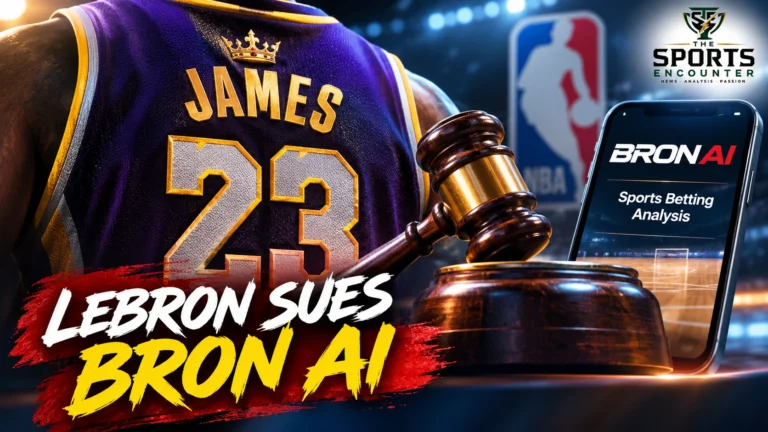
NEW YORK, United States, November 17, 2026: LeBron James has filed a federal lawsuit against the company behind sports-betting research app Bron, accusing it of using his nickname, voice and an artificial intelligence-generated likeness to promote its product without permission. The Philadelphia 76ers forward alleges that the campaign created a false impression that he endorsed the service and was interested in wagering on NBA games.
The LeBron James lawsuit, filed in Manhattan federal court, names PlayVision and its co-founders Anish Gupta and Marc Zoghby as defendants. James wants the company prohibited from using the Bron name and is seeking unspecified compensatory and punitive damages. The case escalates a dispute that began earlier this month when his representatives demanded that the company stop using his identity in promotional material.
The legal action raises two questions extending beyond a single advertisement: whether the use of a recognizable nickname and synthetic likeness can mislead consumers about a commercial endorsement, and how professional athletes can protect their identities as AI-generated advertising becomes easier to produce.
LeBron James Lawsuit: What the Bron AI Advertisement Allegedly Showed
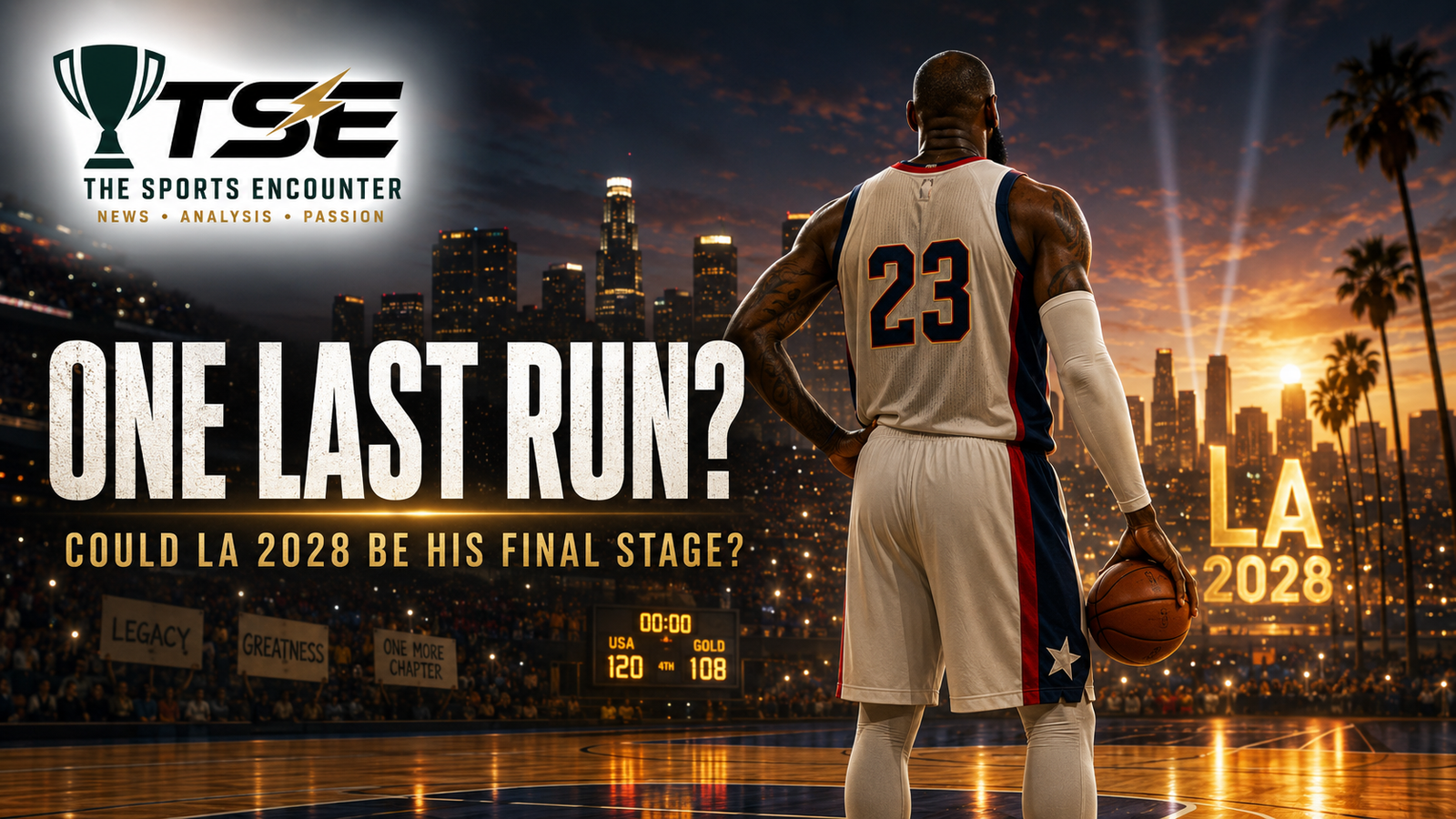
According to the complaint, Bron’s promotional campaign featured an AI-generated depiction of James wearing a basketball jersey displaying his familiar No. 23 and the nickname “Bron.”
Story at a glance
LeBron James Lawsuit: What the Bron AI Advertisement Allegedly Showed
According to the complaint, Bron’s promotional campaign featured an AI-generated depiction of James wearing a basketball jersey displaying his familiar No. 23 and the nickname “Bron.”
From Cease-and-Desist Letter to Federal Court
The lawsuit follows an earlier effort to resolve the dispute without litigation.
What Is Bron AI, and Does It Accept Bets?
Bron, also identified with PlayVision, markets itself as a sports analytics and betting research application.
Why James’ Polymarket Partnership Matters
The dispute also involves an existing commercial relationship.
Luka Dončić Also Objected to the Advertisement
James is not the only prominent basketball player whose identity was allegedly used in the disputed campaign.
The video allegedly incorporated a voice resembling his, replicated identifying tattoos and showed the character scrolling through wagers involving other NBA players.
James contends that these elements were not coincidental. Together, he argues, they suggested a commercial connection between the app and one of basketball’s most recognizable athletes.
The distinction matters because the disputed advertisement allegedly combined several characteristics associated with James, rather than using only a shortened first name that might independently have other meanings.
The complaint argues that the company benefited from the recognition and commercial value attached to his identity without obtaining his authorization.
According to Reuters’ account of the federal lawsuit, James maintains that he carefully controls his commercial endorsements and can command substantial compensation for approved partnerships.
That makes the alleged suggestion of an unauthorized endorsement central to the case. The dispute is not simply about whether a digital character looked similar to James, but whether viewers could reasonably believe that the real athlete had approved or supported the product.
Why the LeBron James Lawsuit Involves More Than a Nickname
The use of “Bron” is one element of the complaint, but the accompanying imagery could be equally important.
A jersey number, distinctive tattoos, a familiar voice and an athlete’s recognizable appearance may reinforce one another in an advertisement. Even when individual elements are not unique, their combination can communicate a specific identity to viewers.
James alleges that the company’s choice of branding and advertising content was intended to trade on his fame.
Whether those allegations establish legal liability remains for the court to determine. The complaint represents James’ account of the disputed conduct, and its claims have not been established by a judicial ruling.
From Cease-and-Desist Letter to Federal Court
The lawsuit follows an earlier effort to resolve the dispute without litigation.
On November 5, James’ representatives sent a cease-and-desist letter demanding that Bron AI stop using his likeness and remove the disputed advertising.
Front Office Sports first reported the demand, citing a spokesperson for James and identifying the promotional video as the source of his objection.
The letter also sought assurances that the company would not continue using his image or create further confusion about his involvement.
According to the subsequent complaint, the defendants removed the advertisement and indicated that the product would receive a new name. James nevertheless alleges that the company used the legal warning to attract additional publicity.
The filing on November 17 shows that those earlier developments did not settle the disagreement.
Reuters reported that Bron did not immediately respond to its request for comment following the lawsuit.
The distinction between the earlier demand and the new filing is significant. A cease-and-desist letter communicates a legal objection and requests action. A federal lawsuit asks a court to examine the claims and potentially impose enforceable remedies.
What Is Bron AI, and Does It Accept Bets?
Bron, also identified with PlayVision, markets itself as a sports analytics and betting research application.
Its App Store description advertises odds comparisons, data-based selections, player and team trends, betting-slip functionality and tools for tracking wagers.
Importantly, the app’s published description says it does not accept wagers itself.
That distinction separates the product’s described research functionality from the actual placement of bets. A service can provide information used by bettors without operating as a sportsbook that directly takes their money.
However, the distinction does not resolve James’ complaint.
His objection concerns the alleged exploitation of his commercial identity and the impression created by the advertising, regardless of whether the underlying app processes wagers.
The alleged portrayal of James considering bets on NBA players adds another dimension because NBA rules restrict player gambling on league games.
The complaint argues that the advertising could falsely associate him with conduct prohibited under those rules. It does not establish that James actually placed or considered any such wagers.
Why James’ Polymarket Partnership Matters
The dispute also involves an existing commercial relationship.
James has an endorsement arrangement with prediction-market platform Polymarket, which the complaint describes as exclusive.
That agreement is relevant because James maintains that he deliberately chooses the companies with which he associates his name and reputation.
A misleading connection with another service could potentially affect the perceived exclusivity of an authorized partnership, although whether any measurable commercial harm occurred remains unproven.
James’ commercial position has evolved alongside his basketball career. His move from the Los Angeles Lakers to Philadelphia brought another major change in his public profile, as examined in The Sports Encounter’s analysis of the NBA’s major offseason moves.
The new complaint illustrates how an athlete’s business relationships can become legally contentious even when the dispute has no direct connection to on-court performance.
Luka Dončić Also Objected to the Advertisement
James is not the only prominent basketball player whose identity was allegedly used in the disputed campaign.
The complaint states that Luka Dončić, James’ former teammate with the Lakers, also appeared in the advertising and sent a cease-and-desist letter.
Dončić’s reported involvement adds to the significance of the marketing strategy. If the same campaign incorporated identifiable characteristics of multiple NBA stars, it raises broader questions about the permissions obtained before the material was released.
That does not mean Dončić is a plaintiff in James’ newly filed lawsuit. His earlier objection is a separate development referenced in the complaint.
The two athletes’ careers have followed different paths since James left Los Angeles. TSE examined Dončić’s response to that transition in its report on the Lakers’ post-LeBron era.
Now their identities have become connected through an advertising dispute rather than a shared basketball team.
Could the Case Affect AI-Generated Athlete Advertising?
The broader legal issue concerns how recognizable identities are presented in commercial communications.
Under federal trademark law, misleading representations of affiliation, sponsorship or approval can potentially create liability when the relevant legal requirements are satisfied.
Section 43(a) of the Lanham Act, codified at 15 U.S.C. § 1125, addresses false or misleading representations that can confuse consumers about a commercial relationship.
The law does not automatically prohibit every reference to a celebrity or every AI-generated depiction of a public figure. Context, commercial use, consumer confusion, applicable rights and the specific allegations all matter.
In James’ case, the court may have to assess whether the overall advertisement conveyed an unauthorized endorsement and whether the defendants’ conduct satisfies the claims asserted.
The fact that content was generated using artificial intelligence does not, by itself, determine the outcome.
For sports marketers, the practical distinction is between legitimately discussing a player and using that player’s recognizable identity to suggest commercial approval without authorization.
That question becomes particularly consequential when an athlete has established endorsement agreements with other businesses.
Continue the NBA Story
A decision in James’ favor could provide another example of how existing intellectual-property protections apply to synthetic advertising. A defense victory could clarify the limits of the claims in this particular factual setting. Neither outcome should be presumed before the evidence is tested.
What James Wants the Court to Do
The lawsuit seeks a court order preventing the defendants from continuing to use the disputed Bron name, alongside unspecified monetary damages.
The requested remedies are substantial because a restriction on a product’s name could require branding changes extending beyond the removal of one advertisement.
However, requesting an injunction is not the same as obtaining one. The court would need to evaluate the relevant legal grounds before ordering such relief.
There is also no verified damages figure in the initial reporting. Any suggestion that James has already been awarded compensation, or that a particular settlement amount has been established, would be premature.
The defendants will have an opportunity to respond to the complaint through the legal process.
Until then, the claims remain disputed allegations.
The Legal Dispute Comes During James’ Philadelphia Season
The case arrives during a period in which James continues to attract attention for both his NBA performances and the management of his playing workload.
The 41-year-old recently moved into third place on the league’s all-time assists list during Philadelphia’s victory over Indiana. TSE’s NBA results report examined that milestone alongside other major games.
His availability has also required careful management. Philadelphia ruled him out against Brooklyn because of back and sciatica concerns, as detailed in TSE’s latest report on his injury management.
Those basketball developments are separate from the lawsuit, but they underline the extraordinary visibility James maintains late in his career.
His move to Philadelphia created another major chapter after two decades as one of the NBA’s defining figures. His regular-season debut against the New York Knicks illustrated the attention surrounding the change.
James’ off-court reputation is likewise a commercially valuable part of his public identity. The lawsuit centers on his effort to control how that identity is used to promote products.
What Happens Next in the Bron AI Dispute?
The immediate developments to watch are the defendants’ formal response, any request for preliminary injunctive relief and whether the company proceeds with a new product name.
The scope of any court order would also matter. A restriction on misleading promotional material is not necessarily identical to a prohibition on using the product’s name.
The dispute could be resolved through litigation, settlement or another negotiated arrangement. No outcome has been established.
For James, the case concerns the value of an identity developed through decades of basketball achievement and commercial partnerships.
For companies using artificial intelligence in advertising, it raises a question that cannot be answered by technological capability alone: whether generating a convincing celebrity likeness gives an advertiser the right to use it commercially.
The LeBron James lawsuit now puts that disagreement before a federal court. The immediate issue is whether Bron’s branding and advertising falsely suggested an endorsement. The wider importance lies in how recognizable athletes can protect their names, voices and likenesses when synthetic promotional content can be produced and distributed with increasing ease.
LeBron James
- LeBron James Lawsuit Targets Bron AI Over Fake Betting Endorsement
- LeBron James Injury Keeps Him Out Against Nets After Historic Assist Milestone
- NBA: LeBron Makes History, Dončić Scores 43 as Spurs Win 12th Straight
- LeBron James Injury Rules Him Out as Embiid Faces Late Fitness Test Against Raptors
- LeBron James and Kevin Durant Back New U18 Basketball League to Nurture Future US NBA Stars