
RAWALPINDI, Pakistan, October 9, 2026: Sahibzada Farhan made his first home appearance as Pakistan’s new T20I captain count, scoring a commanding 89 from 53 balls as the hosts defeated Sri Lanka by four wickets in the series opener at Rawalpindi Cricket Stadium on Friday. Lahiru Udara had almost single-handedly carried Sri Lanka to 182 for eight with an outstanding 91, but Pakistan’s new-look batting lineup reached 187 for six in 18.5 overs. Maaz Sadaqat struck 50 from 29 balls, while debutant Mohammad Imran impressed with two wickets for 21 runs, giving Pakistan an encouraging start to a three-match series built around substantial changes in personnel and leadership.
The result was effectively shaped during two very different powerplays. Sri Lanka lost Kusal Mendis and Kamil Mishara inside four overs and managed 45 for two in the first six. Pakistan responded with 70 for one, immediately shifting the pressure onto the visiting bowlers. Farhan and Sadaqat subsequently added 92 runs for the second wicket, leaving Pakistan needing only 37 from the final 37 deliveries when their partnership ended. A late sequence of wickets created an untidy finish, but Khawaja Nafay completed the victory with a six off Eshan Malinga, leaving seven balls unused and Sri Lanka facing questions about their top-order batting and powerplay bowling.
Pakistan vs Sri Lanka 1st T20I: Match Summary and Result
| Match Detail | Information |
|---|---|
| Match | Pakistan vs Sri Lanka, 1st T20I |
| Date | October 9, 2026 |
| Venue | Rawalpindi Cricket Stadium, Pakistan |
| Toss | Sri Lanka won and elected to bat |
| Sri Lanka | 182/8 in 20 overs |
| Pakistan | 187/6 in 18.5 overs |
| Result | Pakistan won by four wickets with seven balls remaining |
| Player of the Match | Sahibzada Farhan, 89 from 53 balls |
| Leading Sri Lanka Batter | Lahiru Udara, 91 from 55 balls |
| Leading Pakistan Bowlers | Naseem Shah 3/36; Mohammad Imran 2/21 |
| Series Position | Pakistan lead 1-0 |
| Next Match | 2nd T20I, October 11, Rawalpindi |
Pakistan’s victory followed a major restructuring of the T20I squad. Seven players from the side that contested the 2026 T20 World Cup were omitted, and Farhan replaced Salman Ali Agha as captain for the Sri Lanka series. The Pakistan Cricket Board’s official squad announcement established the extent of those changes before the series began.
Farhan’s First Home Assignment as Captain Gives Pakistan’s T20 Reset an Immediate Reward
Four days before the opening T20I, Pakistan’s selectors had made a substantial decision. Salman Ali Agha was removed from the T20I squad, several senior players were left out, and Farhan was entrusted with a combination of established performers and emerging talent.
Story at a glance

Pakistan vs Sri Lanka 1st T20I: Match Summary and Result
Pakistan’s victory followed a major restructuring of the T20I squad. Seven players from the side that contested the 2026 T20 World Cup were omitted, and Farhan replaced Salman Ali Agha as captain for the Sri Lanka series. The Pakistan Cricket Board’s official squad announcement established the extent of those changes before the series began.
Farhan’s First Home Assignment as Captain Gives Pakistan’s T20 Reset an Immediate Reward
Four days before the opening T20I, Pakistan’s selectors had made a substantial decision. Salman Ali Agha was removed from the T20I squad, several senior players were left out, and Farhan was entrusted with a combination of established performers and emerging talent.
Maaz Sadaqat Brings His CPL Form Straight Into Pakistan’s Batting Lineup
One of the most encouraging developments for Pakistan was Sadaqat’s contribution.
Lahiru Udara’s 91 Deserved Far More Support From Sri Lanka’s Batting Order
Lahiru Udara was comfortably Sri Lanka’s best batter.
Mohammad Imran’s T20I Debut Gives Pakistan’s New-Look Pace Attack an Encouraging Start
Pakistan’s bowling effort contained two very different contributions.
There was little uncertainty about Farhan’s ability to score runs. The more interesting question was how comfortably he would carry the additional responsibility while helping establish the batting approach expected of the revised side.
His response was authoritative.
Farhan struck 10 fours and four sixes during his 89, scoring at 167.92 while remaining at the crease until the 18th over. He attacked Sri Lanka’s seamers in the powerplay, maintained the tempo during the middle overs and avoided allowing the loss of his opening partner to interrupt Pakistan’s pursuit.
His innings also offered an important contrast with Sri Lanka’s batting effort. Udara had needed to compensate for repeated failures around him. Farhan was able to construct a substantial innings alongside teammates who maintained the required scoring rate.
Fakhar Zaman scored 21 from 13 balls. Sadaqat subsequently contributed 50 from 29, transforming what might have become an extended chase into a relatively straightforward equation.
Farhan’s dismissal for 89 left Pakistan 179 for five after 17.5 overs, requiring only four runs from 13 deliveries to reach the target.
The captain had already done the difficult work.
Why Farhan’s Performance Matters Beyond One Victory
Farhan’s appointment came after an exceptional personal campaign at the ICC Men’s T20 World Cup earlier this year.
He scored 383 runs at an average of 76.60 and a strike rate of 160.25, finishing as the highest run-scorer in a single edition of the men’s tournament. His two centuries included a hundred against Sri Lanka, the same opposition he faced in Rawalpindi.
The ICC’s official Team of the Tournament assessment recognized Farhan’s outstanding batting despite Pakistan’s failure to advance beyond the Super Eight stage.
He also arrived with recent leadership experience after captaining Pakistan to the silver medal at the 2026 Asian Games.
His captaincy record in Japan ended with a 19-run defeat to India in the gold-medal match. That contest, covered in TSE’s Asian Games closing analysis, nevertheless gave Farhan experience leading several players who are now part of Pakistan’s senior T20I setup.
Pakistan’s new captain therefore entered the Sri Lanka series with strong individual credentials and some recent experience of leading a changing squad.
Rawalpindi supplied a further encouraging sign. His batting remained influential despite the additional responsibility, and the emerging players around him made meaningful contributions.
TSE examined the wider implications of his appointment in our analysis of Pakistan’s seven-player T20 overhaul. The first result provides evidence that some of the changes can work together, although one successful chase cannot establish whether the complete selection strategy will succeed over a longer period.
Maaz Sadaqat Brings His CPL Form Straight Into Pakistan’s Batting Lineup
One of the most encouraging developments for Pakistan was Sadaqat’s contribution.
The young left-hander arrived in international cricket after a remarkable sequence of performances in the Caribbean Premier League, where he repeatedly demonstrated an ability to attack bowling in high-pressure matches.
Against Sri Lanka, he immediately showed why Pakistan’s selectors had brought him into the senior side.
He struck four fours and three sixes in his 29-ball 50, reaching his half-century from 28 deliveries.
The most valuable part of his innings was the timing.
Sadaqat joined Farhan after Fakhar Zaman departed at 54 for one in the sixth over. Pakistan were already scoring rapidly, but Sri Lanka still had an opportunity to slow the chase through their specialist spinners.
Instead, Sadaqat kept attacking.
He struck confidently against pace and spin, including an audacious no-look six that demonstrated both his willingness to improvise and the confidence with which he has approached recent T20 cricket.
Such strokes can attract criticism when a batter is dismissed attempting them. On this occasion, the execution contributed to a successful innings and kept Sri Lanka from establishing sustained pressure.
The 92-Run Partnership That Put Pakistan in Charge
Farhan and Sadaqat added 92 from 52 balls for the second wicket.
Pakistan advanced from 54 for one to 146 for two, maintaining a rate above 10 runs per over during the partnership.
When Maheesh Theekshana trapped Sadaqat lbw at 13.5 overs, the required equation had fallen to 37 runs from 37 deliveries.
That was the moment Sri Lanka’s chances became particularly remote.
The visitors still had wickets to pursue, but Pakistan could afford to accumulate runs without taking unnecessary risks. The early powerplay advantage had evolved into complete control of the required rate.
Sadaqat’s contribution becomes even more significant when placed against his recent franchise record.
He scored 112 from 49 balls against Barbados Tridents in the CPL Eliminator, followed by 41 from 17 against Guyana Amazon Warriors in Qualifier 2 and 114 from 58 in the final against Antigua and Barbuda Falcons.
Those performances were examined in TSE’s detailed profile of Sadaqat’s rapid development and our report on his record-breaking CPL Eliminator century.
He followed that success with another century in the championship match, scoring 114 even as Jamaica Kingsmen lost the final. The innings provided further evidence of his ability to carry a batting effort under pressure, as documented in TSE’s CPL 2026 final report.
Rawalpindi offered a different challenge.
Sadaqat did not need to score a hundred or rescue a collapsing side. His job was to maintain an attacking tempo alongside a well-set captain.
He performed that role convincingly.
Lahiru Udara’s 91 Deserved Far More Support From Sri Lanka’s Batting Order
Lahiru Udara was comfortably Sri Lanka’s best batter.
He struck 91 from 55 balls, hitting 11 fours and a six at a strike rate of 165.45.
His performance was especially impressive because Sri Lanka’s innings began poorly.
Kusal Mendis departed for one in the opening over, and Kamil Mishara made six from 13 deliveries before Mohammad Imran dismissed him.
Sri Lanka were 18 for two after 3.3 overs.
Udara had to rebuild without surrendering the scoring initiative, an especially difficult assignment on a surface where Sri Lanka believed a total above 200 was necessary.
He reached his half-century from 32 balls, providing the stability and boundary scoring that the top order had failed to deliver.
Kamindu Mendis contributed 23 from 18 balls, allowing Sri Lanka to recover through a 60-run third-wicket partnership.
But the innings lost momentum again when Kamindu fell at 78 for three and Sahan Arachchige departed shortly afterward with the score on 83.
Udara remained the only batter consistently able to force Pakistan’s bowlers away from their preferred lengths.
What Does Udara’s 91 Reveal About Sri Lanka’s Batting Dependence?
The scorecard tells a revealing story.
Udara scored exactly half of Sri Lanka’s 182 runs.
The other batters contributed a combined 62 runs. Another 29 came through extras.
That means Udara was responsible for almost 60 percent of the runs scored off the bat.
Only Kamindu Mendis reached 20 among the remaining Sri Lankan players.
Dasun Shanaka struck two sixes in his 18 from 15 balls, but his innings ended before he could develop the partnership Sri Lanka desperately needed.
Dunith Wellalage made five from eight deliveries, while Maheesh Theekshana contributed one.
Sri Lanka’s inability to maintain partnerships forced Udara to divide his attention between attacking the bowling and keeping the innings together.
He eventually fell in the 19th over, caught by Hasan Nawaz off Naseem Shah, nine runs short of what would have been a thoroughly deserved century.
The innings should still strengthen Udara’s standing within Sri Lanka’s batting plans. His performance showed that he could score rapidly while responding to early wickets.
His teammates now need to reduce the burden placed on him.
Mohammad Imran’s T20I Debut Gives Pakistan’s New-Look Pace Attack an Encouraging Start
Pakistan’s bowling effort contained two very different contributions.
Naseem Shah finished as the leading wicket-taker with three for 36. His wickets included Sri Lanka captain Kusal Mendis, Dunith Wellalage and the dangerous Lahiru Udara.
Mohammad Imran, meanwhile, produced arguably the most controlled spell of the match.
The T20I debutant conceded only 21 runs from four overs while taking two wickets, finishing with an economy rate of 5.25.
He bowled 13 dot balls, an important figure in a match where the ball generally came onto the bat and stroke-making became easier as the evening progressed.
His dismissal of Kamil Mishara in the fourth over helped sustain Pakistan’s early pressure. He later removed Sahan Arachchige immediately after Sri Lanka had lost Kamindu Mendis, leaving the visitors 83 for four.
That second breakthrough prevented Sri Lanka from turning Udara’s recovery into a stronger middle-over platform.
Imran had already made his Test debut against England earlier in the year, but the Sri Lanka series provided his first appearance in T20 internationals.
His development, along with Razaullah’s emergence, forms part of the broader attempt to strengthen Pakistan’s bowling resources.
TSE previously examined both players’ international development in our report on Pakistan’s difficult Edgbaston Test against England, where the two newcomers had very different experiences against an established batting lineup.
Razaullah Also Makes His T20I Debut
Razaullah was Pakistan’s second T20I debutant.
He removed Maheesh Theekshana in the final over after contributing to Pakistan’s pace-bowling options during the middle and closing stages.
His figures were less economical than Imran’s, but the opportunity was important for a player still adapting to international cricket across formats.
Pakistan’s selection changes have created space for such players to establish themselves without immediately depending on every familiar senior name.
The most encouraging feature of Friday’s bowling performance was that Imran supplied control while Naseem provided the wickets.
That combination helped Pakistan restrict Sri Lanka despite Udara’s outstanding innings.
Did Sri Lanka Make the Wrong Decision by Batting First?
Kusal Mendis won the toss and elected to bat.
The decision was understandable before the match. Rawalpindi generally offered good batting conditions, and setting a demanding total could have allowed Sri Lanka to place Pakistan’s inexperienced lineup under scoreboard pressure.
The problem was that Sri Lanka never established the platform required to exploit the conditions fully.
The visitors made 45 for two in the first six overs. Pakistan scored 70 for one during the corresponding phase.
That 25-run difference immediately changed the pressure calculation.
Sri Lanka’s early wickets forced Udara to manage a rebuilding operation, while Pakistan’s rapid start allowed Farhan and Sadaqat to attack without falling behind the required rate.
Conditions also appeared to improve for batting as dew developed during Pakistan’s chase, making the ball potentially more difficult for Sri Lanka’s bowlers to control.
There is insufficient evidence to conclude that the toss decision alone caused the defeat. Sri Lanka’s inadequate powerplay and subsequent inability to defend their total were much more immediate problems.
After the match, Mendis acknowledged that his team had probably finished 20 to 30 runs short.
“We needed to score 200+ on this pitch.”
He also identified the early dismissals of himself and Mishara as a major reason Sri Lanka struggled to produce a larger total.
His assessment was consistent with the match’s scoring pattern.
Once Pakistan reached 70 inside six overs, 183 no longer looked especially demanding.
Why Sri Lanka’s Bowlers Could Not Defend 182
Sri Lanka’s attack did eventually take six wickets, but most of those breakthroughs came after Pakistan had already secured a commanding position.
Dushmantha Chameera conceded 40 runs from three overs, an economy rate of 13.33.
Nuwan Thushara gave away 32 from three overs, while Dunith Wellalage conceded 26 from three.
Maheesh Theekshana took two wickets for 36 runs, dismissing Sadaqat and Saim Ayub. Eshan Malinga also claimed two wickets, conceding 33 from 3.5 overs.
The figures underline the difference between taking wickets and applying consistent scoring pressure.
Theekshana’s breakthroughs briefly interrupted Pakistan’s middle order, but they came too late to make the target difficult.
At 146 for two after 13.5 overs, Pakistan needed 37 from 37 deliveries.
Even a relatively quiet finish would have been sufficient.
Chameera dismissed Hasan Nawaz, Theekshana bowled Saim Ayub, and Thushara eventually removed Farhan. Malinga then dismissed Shadab Khan for a duck.
Pakistan slipped from 146 for one to 180 for six, but the run requirement had already become too small to make those wickets decisive.
Khawaja Nafay ended the contest by launching Malinga over long-on from the fifth delivery of the 19th over.
Pakistan had won with seven balls remaining.
What Does Pakistan’s Victory Say About Its Selection Strategy?
The first match under the revised T20I setup produced several encouraging pieces of evidence.
Farhan justified his place at the top of the order with a match-winning innings.
Sadaqat brought the attacking style that had made him one of the most exciting Pakistani performers in franchise cricket.
Imran supplied a disciplined bowling spell in a match where his teammates often conceded more than eight runs per over.
Razaullah also gained valuable experience while contributing a wicket.
There is a coherent idea behind these selections. Pakistan appear to be giving greater responsibility to specialist T20 performers whose franchise records suggest they can solve specific problems.
That approach was examined in TSE’s investigation into Pakistani players winning T20 titles around the world.
Continue the Cricket Story
 CricketPCB Hits T20 Reset: Farhan Replaces Agha as Captain With Seven World Cup Players Shown Exit Way
 CricketPakistan vs Sri Lanka T20I Series Preview: Farhan Takes Charge as Familiar Faces Return and Selection Questions Refuse to Go Away
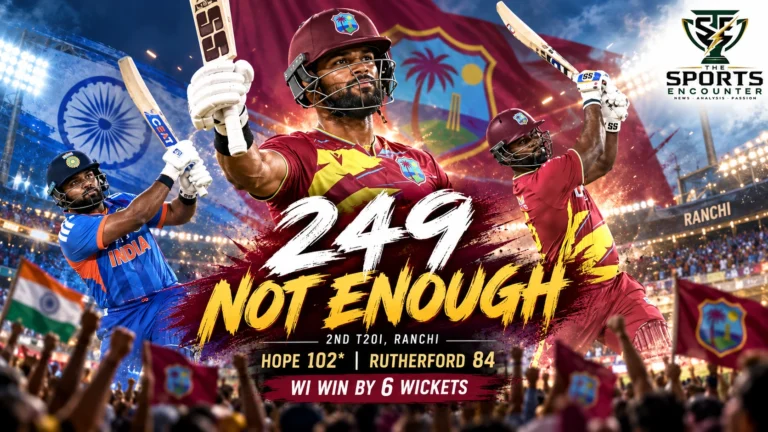 CricketHope and Rutherford Destroy India in Ranchi T20I As a 249-Run Target Becomes a Walk in the Park
Friday offered another useful test of that argument.
Pakistan’s batting was aggressive from the beginning, while the bowling attack contained at least one particularly economical performance from a newcomer.
There were still shortcomings.
The Pakistan bowlers conceded 29 extras, including 18 wides, and the team allowed Sri Lanka to reach 182 despite repeatedly removing batters around Udara.
The late loss of wickets during the chase also suggests that the middle and lower order must develop greater composure when the target is already within reach.
These weaknesses were not decisive on Friday. They could become more costly against stronger opponents or in less favorable batting conditions.
Pakistan vs Sri Lanka 1st T20I Full Scorecard
Sri Lanka Batting: 182/8 in 20 Overs
| Batter | Dismissal | R | B | 4s | 6s | SR |
|---|---|---|---|---|---|---|
| Lahiru Udara | c Hasan Nawaz b Naseem Shah | 91 | 55 | 11 | 1 | 165.45 |
| Kusal Mendis (c, wk) | c Mohammad Imran b Naseem Shah | 1 | 2 | 0 | 0 | 50.00 |
| Kamil Mishara | c Fakhar Zaman b Mohammad Imran | 6 | 13 | 1 | 0 | 46.15 |
| Kamindu Mendis | c Fakhar Zaman b Saim Ayub | 23 | 18 | 4 | 0 | 127.77 |
| Sahan Arachchige | c Shadab Khan b Mohammad Imran | 1 | 2 | 0 | 0 | 50.00 |
| Dasun Shanaka | c Fakhar Zaman b Shadab Khan | 18 | 15 | 0 | 2 | 120.00 |
| Dunith Wellalage | b Naseem Shah | 5 | 8 | 0 | 0 | 62.50 |
| Maheesh Theekshana | c & b Razaullah | 1 | 2 | 0 | 0 | 50.00 |
| Dushmantha Chameera | Not out | 6 | 3 | 1 | 0 | 200.00 |
| Eshan Malinga | Not out | 1 | 3 | 0 | 0 | 33.33 |
| Extras | 18 wides, 2 no-balls, 6 byes, 3 leg-byes | 29 | ||||
| Total | 20 overs | 182/8 | 9.10 RR |
Did not bat: Nuwan Thushara.
Fall of wickets: 1-9 (Kusal Mendis, 0.5), 2-18 (Kamil Mishara, 3.3), 3-78 (Kamindu Mendis, 9.4), 4-83 (Sahan Arachchige, 10.1), 5-140 (Dasun Shanaka, 15.5), 6-167 (Dunith Wellalage, 18.3), 7-172 (Lahiru Udara, 19.0), 8-172 (Maheesh Theekshana, 19.1).
Pakistan Bowling
| Bowler | Overs | Maidens | Runs | Wickets | Economy |
|---|---|---|---|---|---|
| Naseem Shah | 4 | 0 | 36 | 3 | 9.00 |
| Mohammad Imran | 4 | 0 | 21 | 2 | 5.25 |
| Razaullah | 3 | 0 | 30 | 1 | 10.00 |
| Abrar Ahmed | 4 | 0 | 36 | 0 | 9.00 |
| Shadab Khan | 3 | 0 | 33 | 1 | 11.00 |
| Saim Ayub | 2 | 0 | 17 | 1 | 8.50 |
Scorecard note: The extras breakdown and Razaullah’s figures in the tables above follow the PCB’s published match record. Another detailed scorecard lists seven byes, one no-ball and Razaullah conceding 29 rather than 30. Both records agree on Sri Lanka’s total of 182, the wickets and the match result.
Pakistan Batting: 187/6 in 18.5 Overs
| Batter | Dismissal | R | B | 4s | 6s | SR |
|---|---|---|---|---|---|---|
| Sahibzada Farhan (c) | c Arachchige b Thushara | 89 | 53 | 10 | 4 | 167.92 |
| Fakhar Zaman | c Kusal Mendis b Malinga | 21 | 13 | 4 | 0 | 161.53 |
| Maaz Sadaqat | lbw b Theekshana | 50 | 29 | 4 | 3 | 172.41 |
| Hasan Nawaz | c Kusal Mendis b Chameera | 1 | 2 | 0 | 0 | 50.00 |
| Saim Ayub | b Theekshana | 8 | 5 | 1 | 0 | 160.00 |
| Khawaja Nafay (wk) | Not out | 12 | 7 | 0 | 1 | 171.42 |
| Shadab Khan | c Thushara b Malinga | 0 | 2 | 0 | 0 | 0.00 |
| Mohammad Imran | Not out | 0 | 2 | 0 | 0 | 0.00 |
| Extras | 1 bye, 3 leg-byes, 2 wides | 6 | ||||
| Total | 18.5 overs | 187/6 | 9.92 RR |
Did not bat: Razaullah, Naseem Shah, Abrar Ahmed.
Fall of wickets: 1-54 (Fakhar Zaman, 5.1), 2-146 (Maaz Sadaqat, 13.5), 3-147 (Hasan Nawaz, 14.1), 4-156 (Saim Ayub, 15.1), 5-179 (Sahibzada Farhan, 17.5), 6-180 (Shadab Khan, 18.2).
Sri Lanka Bowling
| Bowler | Overs | Maidens | Runs | Wickets | Economy |
|---|---|---|---|---|---|
| Nuwan Thushara | 3 | 0 | 32 | 1 | 10.66 |
| Dushmantha Chameera | 3 | 0 | 40 | 1 | 13.33 |
| Eshan Malinga | 3.5 | 0 | 33 | 2 | 8.60 |
| Maheesh Theekshana | 4 | 0 | 36 | 2 | 9.00 |
| Dasun Shanaka | 2 | 0 | 16 | 0 | 8.00 |
| Dunith Wellalage | 3 | 0 | 26 | 0 | 8.66 |
What Must Sri Lanka Change Before Sunday’s Second T20I?
Sri Lanka’s most immediate problem is its powerplay batting.
The dismissals of Kusal Mendis and Kamil Mishara left Udara carrying a disproportionate share of the responsibility. His 91 prevented a disappointing innings from becoming a far more damaging total, but it was insufficient against Pakistan’s aggressive response.
Mendis has already acknowledged that Sri Lanka must score more positively in the first six overs while avoiding the early dismissals that undermined the opening match.
The bowling plan also requires attention.
Pakistan repeatedly found boundaries against the new ball, and the loss of control in the opening six overs allowed Farhan and Sadaqat to dictate the pace of the chase.
Theekshana and Malinga eventually collected four wickets between them, but Sri Lanka needed those breakthroughs much earlier.
Another important factor is the possibility of dew affecting the second innings. If similar conditions prevail, the visiting captain and coaching staff will need to reassess how best to manage the toss, batting depth and bowling options.
Pakistan’s priorities are different.
The new captain has a match-winning innings behind him, while the performances of Sadaqat and Imran strengthen the case for maintaining their roles.
However, the 29 extras conceded and the slight wobble near the end of the chase leave areas for improvement.
When Is the Second Pakistan vs Sri Lanka T20I?
The second match of the three-match series is scheduled for Sunday, October 11, at Rawalpindi Cricket Stadium.
Pakistan will enter with a 1-0 lead and an opportunity to secure the series before the final match.
Sri Lanka must win to keep the contest alive.
The third T20I is scheduled for October 13 at the same venue.
The PCB’s official series preview confirms that all three matches begin at 6 PM Pakistan time.
Sunday’s contest should reveal whether Sri Lanka can correct the problems that left Udara isolated and whether Pakistan’s new-look combination can reproduce its opening-night success against an opponent with stronger plans.
For Farhan, Friday supplied the ideal beginning to his latest leadership assignment.
For Sadaqat and Imran, it provided valuable evidence that their emergence in domestic and franchise cricket can translate into meaningful international performances.
For Sri Lanka, the challenge is more urgent. Udara gave them an innings worth winning with. The rest of the team now has two matches to show it can provide the support such performances deserve.
Pakistan vs Sri Lanka 1st T20I: Frequently Asked Questions
Who Won the First T20I Between Pakistan and Sri Lanka?
Pakistan defeated Sri Lanka by four wickets in Rawalpindi on October 9, 2026. The hosts reached 187 for six in 18.5 overs after Sri Lanka had scored 182 for eight.
Who Was Player of the Match?
Pakistan captain Sahibzada Farhan received the Player of the Match award for scoring 89 from 53 balls, including 10 fours and four sixes.
How Many Runs Did Lahiru Udara Score?
Lahiru Udara scored 91 from 55 balls for Sri Lanka, hitting 11 fours and one six. He contributed exactly half of Sri Lanka’s total of 182.
How Did Sahibzada Farhan Perform in His First Home T20I as Captain?
Farhan scored a match-winning 89 from 53 deliveries and guided Pakistan close to the target before being dismissed in the 18th over.
How Many Runs Did Maaz Sadaqat Score?
Maaz Sadaqat scored 50 from 29 balls, with four fours and three sixes. He shared a 92-run second-wicket partnership with Sahibzada Farhan.
Which Players Made Their T20I Debuts for Pakistan?
Mohammad Imran Randhawa and Razaullah made their T20I debuts. Imran returned two wickets for 21 runs, while Razaullah took one wicket.
Who Took the Most Wickets for Pakistan?
Naseem Shah took three wickets for 36 runs from four overs, dismissing Kusal Mendis, Dunith Wellalage and Lahiru Udara.
Why Did Sri Lanka Lose Despite Scoring 182?
Sri Lanka lost early wickets, received limited contributions beyond Udara’s 91 and conceded 70 runs during Pakistan’s six-over powerplay. Farhan and Sadaqat then added 92 runs, leaving Pakistan well ahead of the required rate.
When Is the Second T20I Between Pakistan and Sri Lanka?
The second T20I will be played on Sunday, October 11, 2026, at Rawalpindi Cricket Stadium. Pakistan lead the three-match series 1-0.
Sahibzada Farhan
- Sahibzada Farhan Launches Pakistan’s T20 Reset in Style as Udara’s Lone-Handed 91 Goes in Vain
- Pakistan vs Sri Lanka T20I Series Preview: Farhan Takes Charge as Familiar Faces Return and Selection Questions Refuse to Go Away
- PCB Hits T20 Reset: Farhan Replaces Agha as Captain With Seven World Cup Players Shown Exit Way
- Kandy Royals Reverse Losing Trend, Register 1st Win in Lanka Premier League 2026
- Babar Azam Left Out as India Go Full Strength and Pakistan Trust Youth for Asian Games 2026