UEFA Votes 55-0 for FIFA Boycott as Infantino’s World Cup Plan Sparks Open Revolt
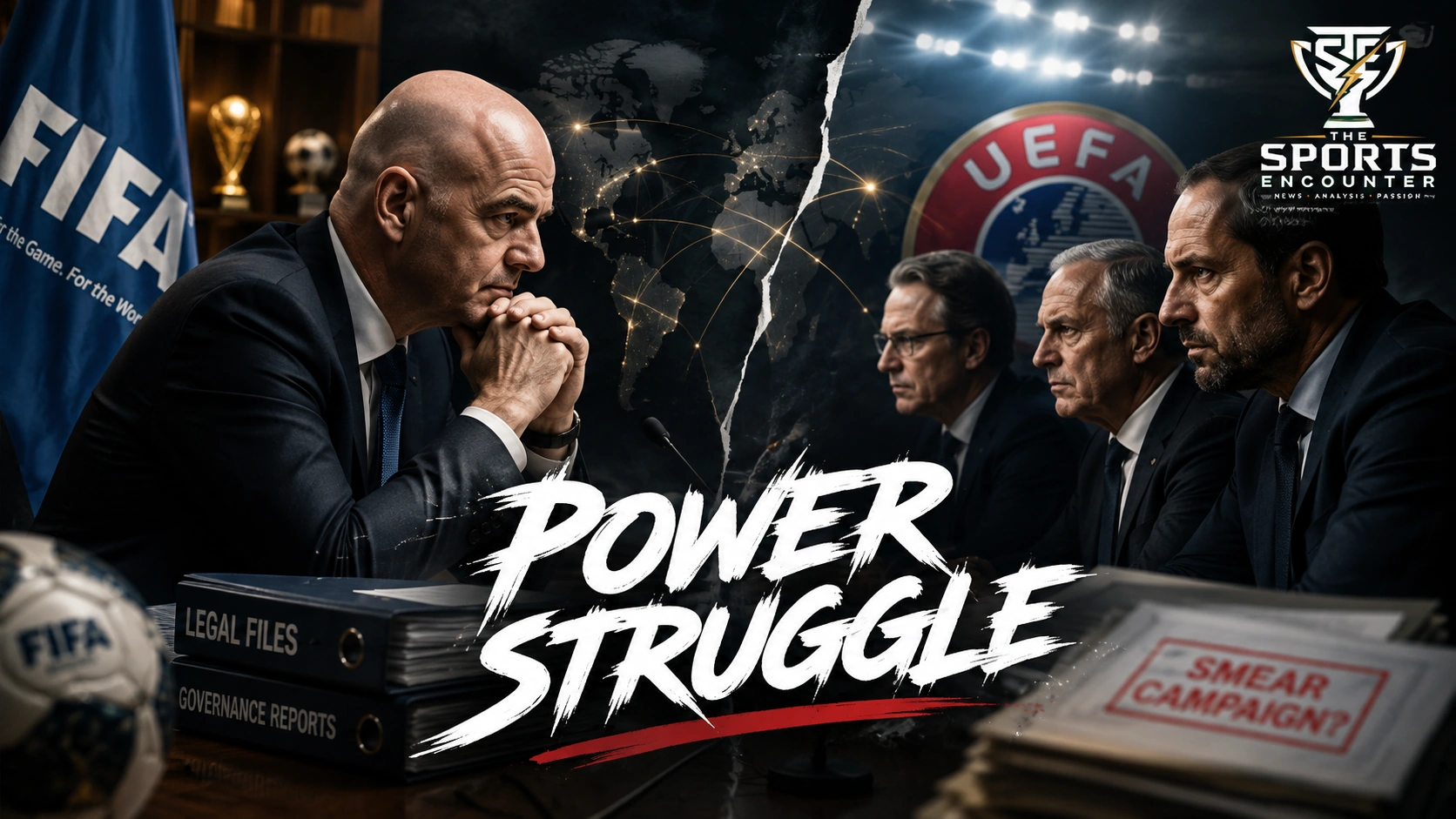
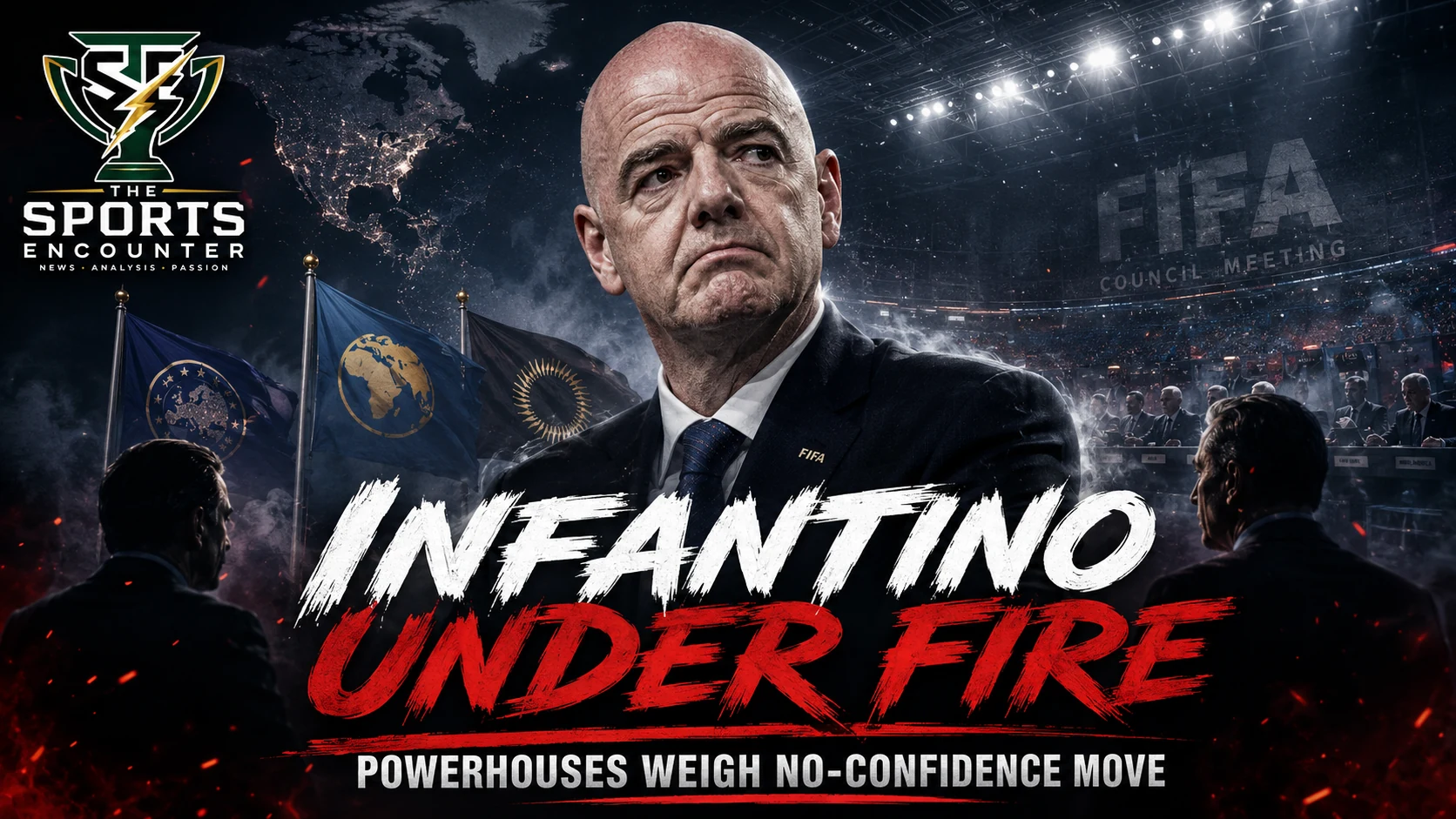
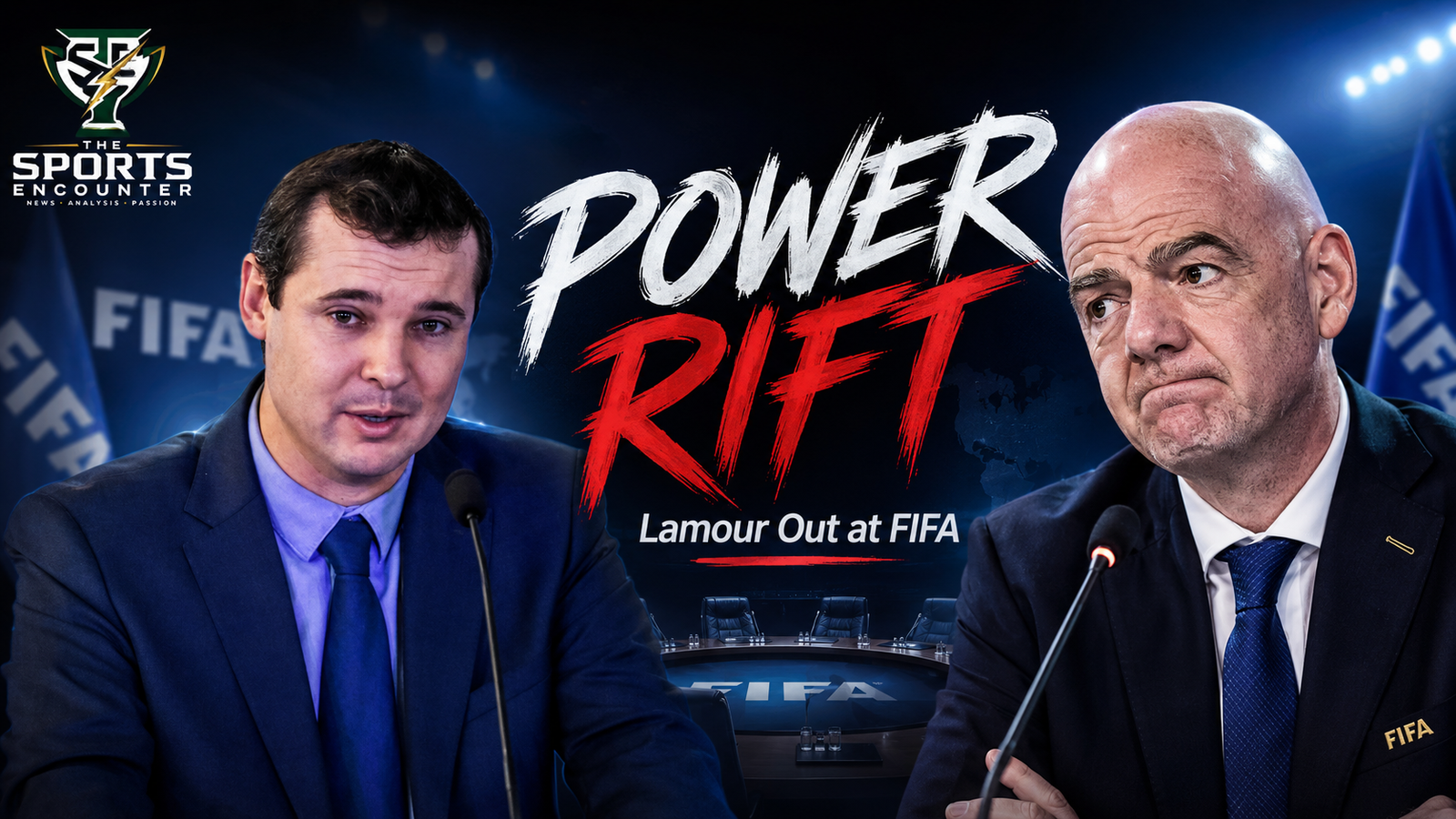
UEFA’s 55 member associations have unanimously threatened to withdraw their national teams from FIFA competitions unless Gianni Infantino abandons plans to bring private investors into a new $20 billion World Cup commercial company.
UEFA and its 55 national associations have unanimously agreed to boycott FIFA competitions if Gianni Infantino continues pursuing private investment in a new company built around the World Cup and other FIFA tournaments.
The decision followed an emergency virtual meeting on Thursday, July 30, and transformed a bitter governance dispute into one of the most serious institutional confrontations in modern soccer.
European associations voted 55-0 to reject the proposal. Under the position announced after the meeting, UEFA national teams will refuse to participate in FIFA competitions while the plan remains active.
UEFA also wants FIFA to provide binding assurances that private ownership will never be introduced into its competitions through the proposed structure or a similar future arrangement.
“The World Cup cannot be treated as an investment product,” UEFA said in its official statement issued with its 55 associations. “It is one of football’s greatest sporting legacies.”
The boycott remains conditional. European teams have not withdrawn immediately, and FIFA still has an opportunity to abandon or substantially reconsider the proposal. However, UEFA has made its threshold clear: modification alone may no longer be enough.
UEFA-FIFA Boycott Crisis: Key Facts
| UEFA vote | 55-0 against FIFA’s proposal |
| Proposed company | FIFA Forward Enterprise |
| Initial valuation | $20 billion |
| Target capital raise | Up to $4.2 billion |
| Investor interest | Minority, non-controlling stakes |
| Assets involved | Broadcasting, sponsorship, ticketing, licensing and tournament delivery |
| FIFA members | 211 national associations |
| First major senior tournament at risk | 2027 FIFA Women’s World Cup in Brazil |
What Has UEFA Actually Decided?
UEFA has committed its national associations to withholding their teams from FIFA competitions if the private-investment proposal continues.
Its statement said no European national team would participate “for so long as these proposals remain alive” unless FIFA abandons the plan completely and provides binding guarantees against private ownership of FIFA competitions.
This goes considerably further than an expression of concern or a threat to vote against the proposal. Europe has placed participation in FIFA tournaments directly on the negotiating table.
The immediate calendar could include youth competitions before the dispute reaches a senior World Cup. European teams are scheduled to participate in FIFA age-group tournaments in late 2026, while the next senior global event is the 2027 Women’s World Cup in Brazil.
UEFA’s wording focuses on national teams, making the precise effect on club tournaments less certain. FIFA competitions involving European national sides, from youth level to the senior World Cups, face the clearest danger.
What Is FIFA Forward Enterprise?
Despite the language surrounding a “sale of the World Cup,” FIFA is not proposing to sell the trophy, the tournament’s name or FIFA itself.
The proposal would establish FIFA Forward Enterprise, or FFE, as a FIFA-controlled subsidiary. It would bring together commercial rights and the operational delivery of the governing body’s tournament portfolio.
That portfolio would include some of global soccer’s most valuable assets:
- Broadcasting rights
- Commercial sponsorships
- Ticketing
- Licensing
- Tournament operations
- Commercial rights connected to men’s, women’s and youth competitions
FIFA intends to raise up to $4.2 billion by selling minority, non-controlling interests in the company at an initial equity valuation of $20 billion.
According to FIFA’s official explanation of the proposal, the governing body would retain exclusive authority over soccer governance, competition rules, international calendars and sporting decisions.
Infantino has described the structure as a way to unlock more commercial value and distribute it throughout the global game. FIFA says all net benefits would return to soccer development.
The Sports Encounter previously examined why selling minority interests connected to the World Cup could create long-term commercial pressure, even if investors receive no formal authority over sporting decisions.
Why UEFA Believes the World Cup Is Being Privatized
UEFA’s objection reaches beyond the percentage offered to investors. European officials believe the proposed structure would give outside capital an ownership interest in the commercial engine and operational delivery of FIFA competitions.
Minority investors may lack formal control, but they would still expect financial returns. That expectation could influence the company’s commercial priorities, including broadcasting packages, sponsorship inventory, ticket pricing, hospitality, tournament formats and the frequency with which competitions are staged.
BREAKING: UEFA will boycott FIFA tournaments if Gianni Infantino goes ahead with his proposal to sell off a stake in the World Cup 🚨
— Sky Sports News (@SkySportsNews) July 30, 2026
The decision was taken at an emergency meeting of all UEFA’s 55 member associations this afternoon. pic.twitter.com/HuEXAHiJKF
FIFA maintains that sporting governance would remain protected. UEFA argues that commercial ownership and sporting policy cannot remain completely separate when the company’s value depends on how tournaments are packaged, expanded and sold.
That concern helps explain the force of UEFA’s response:
“No part of it should ever be surrendered to private investors. The World Cup is not for sale.”
The dispute follows earlier criticism of FIFA’s commercial strategy, including ticket pricing and the wider management of the expanded tournament. Infantino recently defended several FIFA World Cup 2026 decisions in an open letter, but the investment proposal has created a much wider governance crisis.
The $20 Million and $40 Million Funding Question
Reports surrounding the proposal have used both $20 million and $40 million figures. The distinction matters.
FIFA’s published plan offers every member association an optional one-time allocation of up to $20 million through the proposed Fast-Forward program. It would also increase regular FIFA Forward funding for the 2027-2030 cycle from the currently budgeted $8 million to $20 million per association.
That creates a possible total of $40 million across the immediate capital allocation and the four-year development cycle. It does not mean every association would receive an unrestricted $40 million payment on the day of approval.
Future cycle funding would rise to $22 million for 2031-2034 and $24 million for 2035-2038 under FIFA’s proposal.
For smaller associations, this is a powerful offer. Many depend heavily on FIFA funding for training facilities, national teams, grassroots development, coaching programs and women’s soccer.
UEFA sees the funding package and decision deadline as pressure placed on associations to accept a permanent structural change in exchange for immediate financial benefits.
AFC and Concacaf Opposition Changes the Vote
Europe represents 55 of FIFA’s 211 members, so UEFA cannot defeat the proposal through its votes alone. The wider reaction is therefore crucial.
The Asian Football Confederation has 47 member associations, while Concacaf represents 41. Together with UEFA, those confederations account for 143 FIFA members.
That does not guarantee 143 opposing votes because every national association holds its own FIFA vote. It does show that concern has spread well beyond Europe.
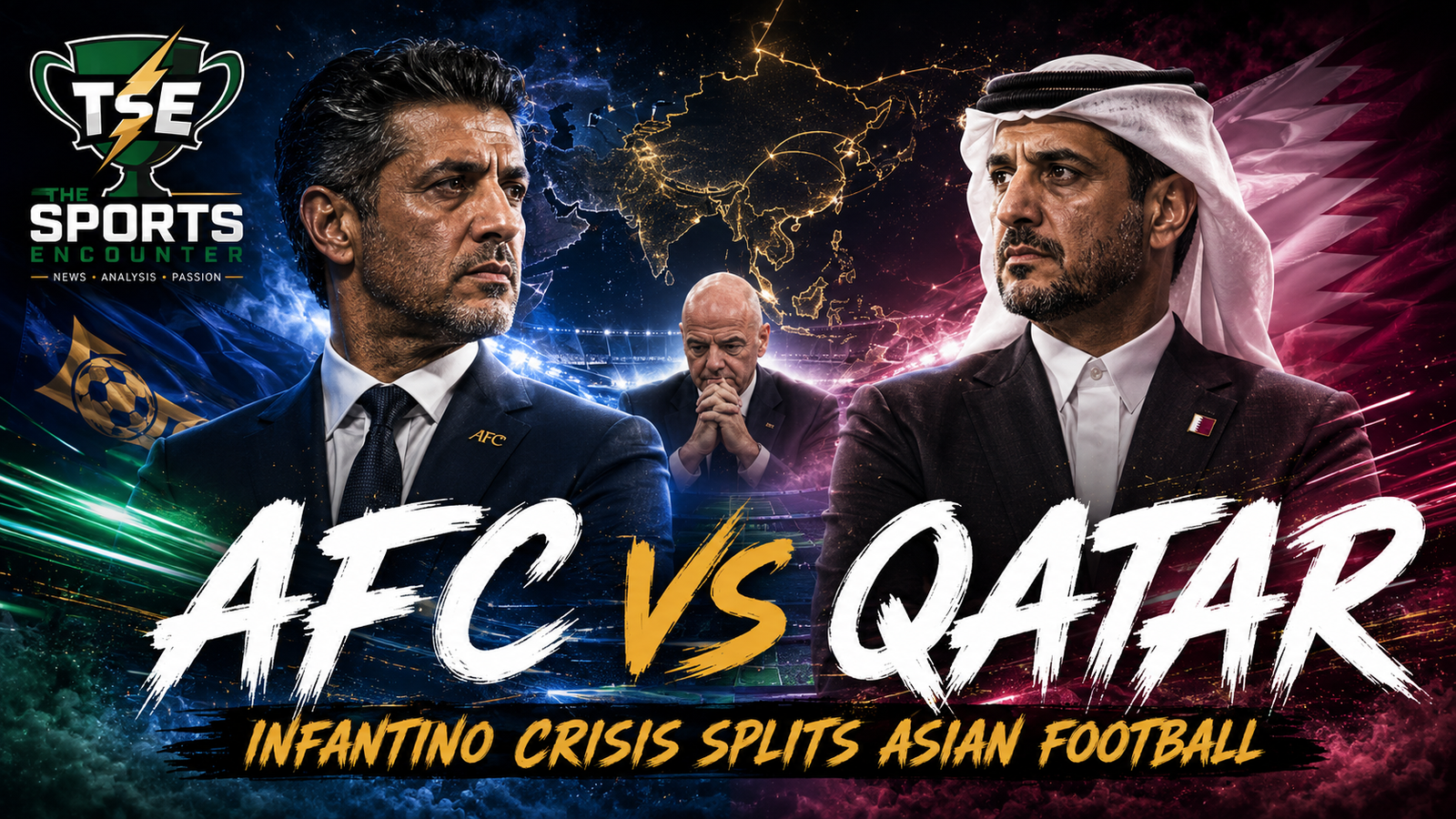
AFC President Sheikh Salman bin Ebrahim Al Khalifa described FIFA’s lack of consultation as “totally unacceptable” and warned that unilateral decision-making was undermining solidarity, cooperation and transparency within world soccer.
Concacaf said it learned about the proposal through media reporting and FIFA’s subsequent announcement. Its official response expressed deep concern about the lack of due process.
The broader revolt gives added weight to The Sports Encounter’s earlier analysis of whether the FIFA-UEFA dispute could develop into a global soccer rebellion. That possibility has now become far more credible.
Would a World Cup Without Europe Be Commercially Viable?
A FIFA World Cup without UEFA nations would lose many of its most successful teams, largest television audiences and most valuable commercial markets.
Europe supplies countries such as Spain, England, France, Germany, Italy, Portugal and the Netherlands. Spain entered the post-2026 cycle as world champion, while European nations also occupy a central position in global broadcasting and sponsorship markets.
Statement on behalf of UEFA and its 55 National Associations
— UEFA (@UEFA) July 30, 2026
The commercial impact would reach well beyond missing teams. Broadcasters, sponsors and prospective FFE investors would have to reconsider the value of a tournament without Europe’s largest soccer economies.
The record U.S. audience generated by the 2026 World Cup final illustrated the tournament’s enormous media power. Much of that value depends on the presence of elite national teams and globally recognized players.
A boycott could therefore weaken the asset FIFA is attempting to monetize. Private investors are unlikely to value a World Cup commercial company at $20 billion if its flagship tournaments face the loss of an entire confederation.
Why the 2027 Women’s World Cup Faces the Most Immediate Risk
The next senior World Cup is the 2027 women’s tournament in Brazil. Europe holds 11 guaranteed places in the 32-team competition, and its absence would remove several leading contenders.
Spain are the defending champions, while England reached the previous final. Other European teams remain among the strongest and most commercially valuable nations in women’s soccer.
This creates an uncomfortable consequence. UEFA’s action is aimed at FIFA’s governance and commercial model, but the first senior players affected could be women preparing for a career-defining tournament.
European officials may hope the commercial and political threat forces FIFA to retreat before any withdrawal becomes necessary. Allowing the dispute to reach Brazil would damage FIFA, UEFA, players, broadcasters, sponsors and supporters simultaneously.
What Happens Next?
FIFA must decide whether to withdraw the proposal, extend the consultation period, restructure FFE or test whether Infantino can assemble enough support among the 211 associations.
UEFA has left little room for a cosmetic compromise. Its demand covers the complete abandonment of the plan and binding protection against comparable private ownership proposals in the future.
The positions adopted by individual AFC and Concacaf associations will help determine whether FIFA still has a realistic voting path. Responses from the Confederation of African Football, CONMEBOL and the Oceania Football Confederation will also become increasingly important.
Legal scrutiny may follow. Questions are already being raised about whether a simple majority would be sufficient if the structure changes how FIFA’s commercial assets and competitions are held. Competition law, FIFA statutes and the rights of member associations could all enter the dispute.
Fans can follow the wider consequences through The Sports Encounter’s FIFA World Cup coverage hub and its broader soccer news and analysis section.
Final Analysis: UEFA Has Attacked the Proposal’s Economic Foundation
UEFA’s 55-0 decision does more than oppose Infantino politically. It strikes directly at the economic case behind FIFA Forward Enterprise.
The proposed company requires investors to believe that FIFA’s tournament portfolio offers stable, expandable and globally protected revenue. A European boycott introduces uncertainty into every part of that calculation.
FIFA can point to billions in new development funding and promise that sporting control will remain untouched. UEFA sees a permanent transfer of economic influence over competitions built by national teams, players and supporters.
Both institutions now claim they are protecting world soccer’s future. Their definitions of protection could hardly be further apart.
The argument began over how to finance and commercialize FIFA’s competitions. It has reached the point where the World Cup itself could lose many of the national teams that give it global authority.
The Sports Encounter’s World Cup 2026 coverage focuses on fixtures, team news, match analysis, fan stories, tournament trends, and the biggest talking points from football’s global stage.
Breaking News
Singapore Frustrate Vietnam in Hanoi as Group A Turns Into a Three-Team Fight
Vietnam dominated long spells but Singapore’s defensive discipline earned a valuable 0-0 draw in Hanoi, keeping Group A tightly balanced.
TL;DR
- Vietnam and Singapore drew 0-0 at Mỹ Đình National Stadium on Friday, July 31, 2026.
- Vietnam dominated large parts of the match but hit the crossbar twice and wasted key chances.
- Singapore defended with discipline and nearly punished Vietnam late.
- Hariss Harun was named Hyundai Player of the Match.
- Singapore stayed top of Group A with seven points from three matches.
- Vietnam remain in the semifinal race, but their next match against Indonesia now carries major pressure.
Match Information
| Detail | Information |
|---|---|
| Match | Vietnam vs Singapore |
| Competition | ASEAN Hyundai Cup 2026, Group A |
| Result | Vietnam 0-0 Singapore |
| Venue | Mỹ Đình National Stadium, Hanoi |
| Date | Friday, July 31, 2026 |
| Goalscorers | None |
| Top Performer | Hariss Harun, Hyundai Player of the Match |
| Vietnam Standouts | Nguyễn Hoàng Đức, Nguyễn Tài Lộc, Nguyễn Xuân Son |
| Singapore Standouts | Hariss Harun, Izwan Mahbud, Jacob Mahler |
| Turning Point | Vietnam hit the crossbar twice but failed to convert their pressure |
| Cards | No red cards confirmed; no named yellow-card list available in the accessible official report |
| What It Means | Singapore stay top, while Vietnam’s clash with Indonesia becomes crucial |
Updated Group A Table After Vietnam 0-0 Singapore
| Position | Team | Played | Won | Drawn | Lost | Goals For | Goals Against | Goal Difference | Points |
| 1 | Singapore | 3 | 2 | 1 | 0 | 4 | 1 | +3 | 7 |
| 2 | Indonesia | 2 | 2 | 0 | 0 | 8 | 1 | +7 | 6 |
| 3 | Vietnam | 2 | 1 | 1 | 0 | 7 | 0 | +7 | 4 |
| 4 | Cambodia | 2 | 0 | 0 | 2 | 2 | 7 | -5 | 0 |
| 5 | Timor-Leste | 3 | 0 | 0 | 3 | 0 | 12 | -12 | 0 |
Table calculated from completed Group A results through July 31: Vietnam 7-0 Timor-Leste, Cambodia 1-2 Singapore, Indonesia 5-1 Cambodia, Singapore 2-0 Timor-Leste, Timor-Leste 0-3 Indonesia, and Vietnam 0-0 Singapore.
Vietnam Had the Ball, Singapore Took the Point
Vietnam had the territory, the crowd, and most of the chances. Singapore left Hanoi with the result that changed the shape of Group A.
The defending champions were held to a 0-0 draw at Mỹ Đình National Stadium after a night of pressure, missed chances, and a stubborn Singapore defensive effort. The official ASEAN United FC report described Vietnam as frustrated by poor finishing and Singapore’s solid defensive rearguard, with goalkeeper Izwan Mahbud and captain Hariss Harun central to the visitors’ resistance.
This result did not damage Vietnam beyond repair, but it changed the tone of their campaign. After opening with a 7-0 win over Timor-Leste, Kim Sang-sik’s side looked ready to make Group A bend around them. Singapore refused to allow that.
The Sports Encounter covered Vietnam’s explosive start in Vietnam 7-0 Timor-Leste: Defending Champions Start With a Warning, but Friday’s draw showed the other side of tournament football. Goals can disappear quickly when the opponent stays compact and calm.
Vietnam’s First-Half Control Lacked the Final Touch
Vietnam’s best football came early. Nguyễn Đình Bắc found the side-netting. Trương Tiến Anh broke forward and forced Izwan into a strong save from distance. Nguyễn Xuân Son shot across goal, while Nguyễn Thành Chung headed a dangerous ball across the face of goal.
The pressure kept building. Nguyễn Hoàng Đức struck the crossbar from distance, then Vietnam kept flooding the Singapore half with runners and crosses. Đỗ Hoàng Hên had an effort deflected wide, Thành Chung threatened again with his aerial presence, and Hoàng Hên later pulled wide after Xuân Son’s layoff.
The problem was not control. Vietnam had plenty of it.
The problem was conversion. Too many final actions missed the target, found a defender, or gave Izwan enough time to react. Against Timor-Leste, Vietnam turned pressure into a landslide. Against Singapore, they turned pressure into frustration.
That difference matters in a group where Indonesia now have two wins, eight goals, and a direct meeting with Vietnam ahead.
Singapore Defended Like a Team That Knew the Table
Singapore’s result came from structure first. Gavin Lee’s side did not pretend they could dominate the ball in Hanoi. They accepted long spells without possession, defended the box well, and trusted experience in the key moments.
Hariss Harun’s Player of the Match award made sense. He gave Singapore leadership, positional discipline, and calm when Vietnam tried to increase the tempo. Izwan Mahbud also played a major role, especially with the first-half save from Tiến Anh and his organization behind a compact back line.
Singapore also found moments to remind Vietnam that the match could still swing. Song Ui-young went close against the run of play. Later, Kyoga Nakamura’s free kick created a major chance for Jacob Mahler, whose shot was parried by Patrik Lê Giang before Shawal Anuar headed over from the follow-up sequence.
Those chances gave Singapore more than hope. They gave the draw legitimacy. This was not only a rescue job. Singapore defended well enough and attacked just enough to make Vietnam nervous late.
The Sports Encounter’s report on Singapore’s 2-0 win over Timor-Leste showed how their campaign has been built on control and patience rather than scoreline noise.
Discipline Report: Cards Verified From Accessible Feeds
The accessible official ASEAN United FC match report did not list any red cards or named yellow-card incidents for Vietnam vs Singapore. It also did not mention a dismissal in the match summary.
For a publication-safe discipline note, the verified line should read:
No red cards were confirmed in the accessible official match report. No named yellow-card list was available in the accessible official feed at the time of writing.
That keeps the report clean and avoids inventing card details.
What the Result Means for Singapore
Singapore are in the strongest table position after this draw. Seven points from three matches puts them top of Group A, and a point away to Vietnam is exactly the kind of result that can carry a team into the semifinals.
They have not been spectacular, but they have been hard to beat. They won away against Cambodia, beat Timor-Leste at home, and then took a point in Hanoi against the defending champions.
That sequence matters because the top two teams from each group qualify for the semifinals. Singapore have done the hard work early. Their final group match will still matter, but they no longer need to chase the group from behind.
For wider tournament tracking, readers can follow The Sports Encounter’s Soccer coverage and the FIFA World Cup 2026 hub, where group-stage pressure and knockout routes remain central themes.
What the Result Means for Vietnam
Vietnam still control a major part of their own fate, but the margin has narrowed.
They have four points from two matches, a strong goal difference, and no goals conceded. That is a healthy position on paper. The challenge is timing. Their next match against Indonesia in Bogor now carries serious weight because Indonesia have six points from two matches and a matching +7 goal difference after beating Cambodia and Timor-Leste.
Vietnam do not need panic. They do need sharper finishing.
The draw against Singapore exposed a familiar tournament danger. When the favorite fails to score during its dominant spell, the match begins to move psychologically toward the defending side. Vietnam had enough chances to win. They will know that.
The Sports Encounter’s Indonesia 3-0 Timor-Leste match report explains why the Vietnam-Indonesia meeting now feels like the hinge point of Group A.
Group A Now Has a Real Shape
This draw leaves Group A beautifully tense.
Singapore lead with seven points, but they have played three matches. Indonesia sit one point behind with a better goal difference and a game in hand. Vietnam are third with four points from two matches, but they still have the quality and defensive record to climb quickly.
Cambodia and Timor-Leste sit at the bottom, but their remaining matches can still affect the qualification picture through points and goal difference.
That is why this 0-0 draw matters. It did not give fans a goal, but it gave the group a story.
The Sports Encounter’s earlier coverage of Indonesia’s 5-1 win over Cambodia now looks even more relevant because Indonesia’s attacking return has turned goal difference into a serious factor.
Final Takeaway
Vietnam had the chances. Singapore had the discipline. The scoreboard stayed empty, but the result said plenty.
Hariss Harun gave Singapore the leadership they needed. Izwan Mahbud gave them security. Vietnam’s Hoàng Đức, Tài Lộc, and Xuân Son kept asking questions, but no one supplied the finish.
Singapore leave Hanoi in pole position. Vietnam leave with control still possible but pressure rising. Indonesia now sit between them with momentum.
Group A has stopped being predictable. The next round of matches will decide whether Singapore’s resilience, Indonesia’s scoring form, or Vietnam’s defending-champion quality takes the clearest path toward the semifinals.
Breaking News
Indonesia Break 10-Man Timor-Leste Late to Stay in Semifinal Hunt
Indonesia beat 10-man Timor-Leste 3-0 in Chonburi, but the late breakthrough showed why Group A remains more complicated than the scoreline suggests.
TL;DR
- Indonesia beat Timor-Leste 3-0 at Chonburi Stadium on Friday, July 31, 2026.
- Timor-Leste played most of the match with 10 men after Jackson Fowler’s 21st-minute red card for a second bookable offence.
- Shayne Pattynama, Thom Haye, and Mitch Baker scored three goals in seven second-half minutes.
- Shayne Pattynama was named Hyundai Player of the Match.
- Indonesia moved to six points from two matches, keeping pressure on Singapore and Vietnam.
- Timor-Leste remain bottom of Group A with three defeats, no goals scored, and 12 conceded.
Match Information
| Detail | Information |
|---|---|
| Match | Timor-Leste vs Indonesia |
| Competition | ASEAN Hyundai Cup 2026, Group A |
| Result | Timor-Leste 0-3 Indonesia |
| Venue | Chonburi Stadium, Thailand |
| Date | Friday, July 31, 2026 |
| Indonesia Scorers | Shayne Pattynama 74’, Thom Haye 78’, Mitch Baker 81’ |
| Timor-Leste Scorers | None |
| Top Performer | Shayne Pattynama, Hyundai Player of the Match |
| Turning Point | Pattynama’s 74th-minute opener after Timor-Leste had resisted with 10 men |
| Red Cards | Jackson Fowler, Timor-Leste, 21’ |
| Yellow Cards | Fowler received a yellow for the second bookable offence after an earlier booking |
| What It Means | Indonesia stay firmly in the semifinal race, while Timor-Leste are effectively on the brink |
Updated Group A Table After July 31 Matches
| Position | Team | Played | Won | Drawn | Lost | Goals For | Goals Against | Goal Difference | Points |
| 1 | Singapore | 3 | 2 | 1 | 0 | 4 | 1 | +3 | 7 |
| 2 | Indonesia | 2 | 2 | 0 | 0 | 8 | 1 | +7 | 6 |
| 3 | Vietnam | 2 | 1 | 1 | 0 | 7 | 0 | +7 | 4 |
| 4 | Cambodia | 2 | 0 | 0 | 2 | 2 | 7 | -5 | 0 |
| 5 | Timor-Leste | 3 | 0 | 0 | 3 | 0 | 12 | -12 | 0 |
Table calculated from completed Group A results through July 31: Vietnam 7-0 Timor-Leste, Cambodia 1-2 Singapore, Indonesia 5-1 Cambodia, Singapore 2-0 Timor-Leste, Timor-Leste 0-3 Indonesia, and Vietnam 0-0 Singapore.
Indonesia Got the Win, But Timor-Leste Made Them Work
Indonesia eventually got the result they needed. The route there was not as comfortable as the scoreline suggests.
For 73 minutes in Chonburi, Timor-Leste defended with discipline, frustration, and surprising belief, even after Jackson Fowler’s early dismissal left them with 10 men. Indonesia controlled the ball, created pressure, and forced goalkeeper Dylan Niski into repeated action, but John Herdman’s side had to wait until the final quarter before the match opened.
Then the goals came quickly. Shayne Pattynama finished coolly in the 74th minute. Thom Haye curled in a brilliant free kick four minutes later. Mitch Baker added the third in the 81st minute, scoring his fourth goal in two matches after his hat-trick against Cambodia. The official ASEAN United FC report confirmed the 3-0 scoreline, the goal timings, Fowler’s red card, and Pattynama’s Hyundai Player of the Match award.
For Indonesia, this was a professional win rather than a complete performance. They stayed patient, avoided panic, and used their extra man late. For Timor-Leste, the defeat continued a painful group-stage pattern, but their resistance gave the match more texture than the final score alone.
The Sports Encounter covered Indonesia’s first Group A statement in Mitch Baker’s dream debut against Cambodia, and this follow-up result keeps Indonesia’s campaign moving in the right direction.
Fowler’s Red Card Changed the Match, But Not Immediately
The decisive disciplinary moment arrived in the 21st minute. Fowler was beaten by Haye, pulled him down, and received a yellow card from referee Choi Hyun-jai. Because he had already been booked for an earlier foul on Haye, the second booking became a red card.
That should have made the match easy for Indonesia. It did not.
Timor-Leste dropped deeper, narrowed the spaces, and forced Indonesia to keep moving the ball from side to side. Niski saved Ivar Jenner’s left-footed effort from the edge of the box, and Rayhan Hannan hit the post from the rebound. Tim Geypens also had a dangerous run and shot blocked by the Timor-Leste goalkeeper.
The official report did not list any additional named yellow-card incidents beyond Fowler’s two bookings in the accessible match report. For publication purposes, the safest verified discipline summary is: Jackson Fowler was sent off in the 21st minute for a second bookable offence. No other named yellow-card or red-card events were available in the accessible official match report at the time of writing.
Timor-Leste’s Best Spell Came With 10 Men
Timor-Leste’s most impressive part of the match came after halftime, when they briefly threatened to make Indonesia pay for their lack of finishing.
Liam Farrugia released Zion Cruz down the left, and Cruz’s cutback found Tristan Arrarte in a dangerous area. Arrarte’s first-time effort flew over the bar. Moments later, Zenivio Gostavo saw an effort deflected wide.
Those chances mattered because they exposed Indonesia’s biggest concern from the night. Control is useful, but control without a goal invites tension. Against stronger opponents, a 10-man team’s transition chance can become the moment that changes a tournament.
Timor-Leste still sit bottom of Group A, but this was not a passive defeat. They defended with spirit, carried a threat in short bursts, and forced Indonesia to keep working long after the red card.
The problem is the table. Three matches, three defeats, no goals scored, and 12 conceded leave Timor-Leste with almost no qualification route left.
Pattynama Finally Breaks the Wall
Indonesia’s breakthrough came from the left, where Haye’s pass found Dony Pamungkas. Pamungkas slipped a reverse ball into Pattynama’s path, and the substitute finished with his left foot in the 74th minute.
That goal changed everything. Timor-Leste’s resistance had been brave, but it had also required constant concentration. Once Indonesia scored, the defensive block loosened and the match moved quickly away from them.
Pattynama deserved the Player of the Match honor because he did what Indonesia had been missing for more than an hour: he turned pressure into scoreboard value.
This is why Indonesia remain dangerous in Group A. They have attacking depth, late runners, and enough technical quality to keep pressing until defensive gaps appear.
Thom Haye Adds Quality, Baker Adds the Finishing Touch
Haye’s free kick in the 78th minute was the cleanest technical moment of the match. From around 25 yards, he curled his effort into the top corner, giving Niski no chance. It was the kind of goal that ends resistance quickly because it does not rely on defensive error. It comes from quality.
Three minutes later, Baker completed the scoring from close range after Ragnar Oratmangoen’s low center. That goal gave Baker four goals in two matches, following his hat-trick in Indonesia’s 5-1 opening win over Cambodia.
Baker’s form matters for Indonesia’s semifinal hopes. Group A is tight, and goal difference could become decisive. Indonesia now have eight goals from two matches and a +7 goal difference, matching Vietnam’s margin while sitting one point behind Singapore with one match fewer.
Readers can follow the broader regional picture through The Sports Encounter’s Soccer coverage and the FIFA World Cup 2026 hub, where tournament structure, qualification pressure, and international football storylines remain central.
What the Result Means for Indonesia
Indonesia are in a strong but not settled position.
They have six points from two matches, a +7 goal difference, and two wins from two. Singapore sit top with seven points from three matches after their 0-0 draw with Vietnam, while Vietnam have four points from two matches. The official ASEAN schedule feed confirmed both July 31 results: Timor-Leste 0-3 Indonesia and Vietnam 0-0 Singapore.
That makes Indonesia’s next match crucial. A win in their remaining fixtures would move them very close to the semifinals. A slip could bring Vietnam back into direct pressure.
The format also sharpens every result. Reuters reported before the tournament that the top two teams from each group advance to the semifinals, with Group A featuring Vietnam, Singapore, Indonesia, Cambodia, and the playoff winner, later confirmed as Timor-Leste.
Indonesia are now in control of their own path. That is the main value of this win.
What the Result Means for Timor-Leste
Timor-Leste’s campaign is close to survival mode.
They lost 7-0 to Vietnam, 2-0 to Singapore, and now 3-0 to Indonesia. Their defensive work against Indonesia was better than the final score suggests, but tournament tables do not reward effort alone. They need points, goals, and a drastic change in momentum.
The red card made their task harder, but the broader issue is attacking output. They have not scored in three Group A matches. Even when they created chances against Indonesia, they could not finish.
The Sports Encounter’s earlier report on Vietnam’s 7-0 win over Timor-Leste showed how damaging that opening defeat was. Friday’s result deepened the problem.
Timor-Leste can still use the remaining matches to restore pride, but their semifinal hopes are now hanging by a thread.
Group A Is Now Wide Open at the Top
Singapore lead the group. Indonesia have the best position in terms of momentum. Vietnam remain dangerous because they still have enough quality and goal difference to climb quickly.
That three-team shape makes Group A more interesting than it looked after Vietnam’s opening 7-0 win. Indonesia’s late surge against Timor-Leste means they now sit between Singapore’s points advantage and Vietnam’s defending-champion pressure.
The Sports Encounter’s report on Singapore’s 2-0 win over Timor-Leste also matters here because it showed how Singapore have quietly built their campaign through control rather than spectacle.
Indonesia have brought more attacking spark. Singapore have brought consistency. Vietnam still carry the champions’ weight.
That is a proper group-stage race.
Final Takeaway
Indonesia’s 3-0 win was late, useful, and slightly more demanding than expected. Timor-Leste made them wait, even with 10 men, but the final 17 minutes showed the difference between resistance and tournament-level finishing.
Pattynama gave Indonesia the breakthrough. Haye gave them class. Baker gave them another goal and more momentum.
Indonesia now have two wins, eight goals, and a real path toward the semifinals. Timor-Leste have pride to protect but almost no room left in the qualification race.
Group A has not settled yet. It has started to sharpen.
Breaking News
India Bids Farewell to its Quiet Crisis Manager: Ajinkya Rahane
Ajinkya Rahane leaves cricket with 8,414 international runs, an unbeaten Test captaincy record, and a legacy shaped by overseas courage, selection uncertainty, and quiet leadership.
Indian cricket often remembered Ajinkya Rahane when circumstances became uncomfortable.
When the ball moved overseas, a senior batter failed, a captain became unavailable, or a dressing room needed calm, Rahane suddenly became essential. Once stability returned, his place, role, and long-term value became debatable again.
Rahane announced his retirement from international cricket and all formats on July 30, 2026, ending a career that produced 8,414 international runs and one of the finest leadership achievements in India’s Test history. His final India appearance came in July 2023, three years before he accepted that another recall was no longer coming.
TL;DR
- Rahane retired with 5,077 Test runs, 2,962 ODI runs, and 375 T20I runs.
- He scored 12 Test centuries and built much of his reputation in difficult overseas conditions.
- India never lost a Test under his captaincy, winning four and drawing two.
- His defining achievement was leading India to a 2-1 series victory in Australia after the 36-all-out collapse in Adelaide.
- His white-ball career ended earlier than expected as India settled on other opening and middle-order options.
- Claims that nepotism or personal grudges ended his career remain unproven, although his selection journey was often inconsistent.
- His IPL career included major years with Rajasthan Royals and a remarkable reinvention with Chennai Super Kings in 2023.
Ajinkya Rahane Career at a Glance
| Category | Record |
|---|---|
| Tests | 85 matches, 5,077 runs, average 38.46 |
| Test centuries | 12 |
| Highest Test score | 188 |
| ODIs | 90 matches, 2,962 runs, average 35.26 |
| ODI centuries | 3 |
| T20Is | 20 matches, 375 runs |
| International runs | 8,414 |
| Tests as captain | 6 |
| Captaincy record | 4 wins, 2 draws, 0 defeats |
| IPL runs | More than 5,300 |
| Defining achievement | 2020-21 Test series victory in Australia |
Rahane’s final international record reflects a strong career rather than the numbers of an all-time statistical giant. His value becomes clearer when the conditions, match situations, and leadership responsibilities enter the discussion.
A Test Career Built Away From Comfort
Rahane made his Test debut against Australia in Delhi in 2013, but his reputation grew outside India.
Centuries at Lord’s, Melbourne, Wellington, and other difficult overseas venues made him one of India’s most trusted touring batters during the middle of the previous decade. His technique appeared particularly suited to pace and bounce. He played the ball late, used soft hands, and remained willing to score when defensive cricket could have trapped him.
His 103 at Lord’s in 2014 helped India secure one of its most memorable Test victories in England. The 147 in Melbourne later that year showed his ability to counterattack elite Australian fast bowling. A career-best 188 against New Zealand in Indore proved he could also dominate at home.
Rahane’s decline, however, was real. His average fell as technical uncertainty outside off stump grew, while long periods without centuries weakened the argument for permanent selection. By the end of 2021, India had younger middle-order options, and Rahane’s previous overseas record could no longer protect him indefinitely.
Readers following the evolution of elite red-ball batting can compare his career with The Sports Encounter’s analysis of Joe Root’s journey toward 14,000 Test runs and explore more player analysis through the Cricket Hub.
The Captain Who Rebuilt India After 36 All Out
Rahane’s legacy changed permanently in December 2020.
India had been dismissed for 36 in Adelaide, its lowest Test total. Virat Kohli then returned home, while injuries gradually removed several frontline players. Rahane inherited a team facing humiliation, selection disruption, and an Australian side expecting complete control.
His response began with 112 at Melbourne.
That century was technically disciplined, emotionally measured, and central to India’s eight-wicket victory. Rahane then led the team through the bruising Sydney draw before India completed a historic chase at the Gabba, where Australia had not lost a Test for 32 years.
India won the series 2-1.
Rahane’s captaincy record finished at six Tests, four victories, two draws, and no defeats. The numbers alone are impressive. The context makes them extraordinary. He managed inexperienced players, a depleted attack, injuries, quarantine pressures, and the psychological damage of Adelaide without allowing panic to define the team.
His leadership belongs beside the defining captaincy stories covered by The Sports Encounter, including Kane Williamson’s quiet leadership legacy and Kapil Dev’s lasting impact on Indian cricket.
Why His White-Ball Career Ended Early
Rahane’s ODI record deserves more respect than it usually receives.
He scored 2,962 runs in 90 matches, with three centuries and 24 fifties. Yet India never found one settled role for him. He moved between opening the batting and the middle order, often returning when regular players rested or injuries created temporary vacancies.
His greatest obstacle was timing. Rohit Sharma and Shikhar Dhawan became India’s established ODI opening pair, while Kohli controlled No. 3. Rahane lacked the boundary power increasingly demanded from modern middle-order batters and struggled to force himself into finishing roles.
He last played white-ball cricket for India in 2018. That ending felt abrupt, but it was not inexplicable. His strike rate and role flexibility worked against him as India became more aggressive.
The broader debate over how India develops and replaces senior players remains central to modern cricket. The Sports Encounter’s latest cricket coverage regularly examines selection, captaincy, workload, and tactical change across international and franchise cricket.
IPL Reinvention and the Rajasthan Years
Rahane’s best IPL cricket came with Rajasthan Royals, where he developed into a reliable opener and captain. He scored two IPL centuries and became known for classical timing in a league increasingly dominated by power.
His style later appeared outdated. Opportunities declined at Delhi Capitals and Kolkata Knight Riders before Chennai Super Kings revived his career in 2023.
Rahane scored 326 runs that season at a strike rate above 172, helping Chennai win the title. The transformation challenged the idea that he could only bat at one tempo. By the end of his IPL career, he had accumulated more than 5,300 runs.
His reinvention also reopened questions about how franchise systems value experienced players. The Sports Encounter explored a related issue in its report on IPL contracts and player treatment.
Was Rahane a Victim of Politics or Nepotism?
There is no verified evidence that nepotism, a personal grudge, or an organized campaign ended Rahane’s India career.
Selection decisions can still be questioned. He was sometimes moved between roles, dropped from white-ball cricket without a clear route back, and recalled for the 2023 World Test Championship final before disappearing again after two Tests in the West Indies.
That inconsistency encouraged suspicion among supporters.
Still, his prolonged Test decline, age, competition from younger batters, and India’s changing white-ball strategy provide stronger evidence than claims of conspiracy. Rahane also received considerable backing during poor form, particularly in 2021 and early 2022.
The fairest verdict sits between two extremes. He was neither deliberately destroyed by Indian cricket nor handled perfectly. Selectors undervalued his adaptability at times, but performance eventually contributed to his exclusion.
The selection debate also mirrors wider discussions around senior players, changing team cultures, and leadership transitions across modern cricket. Readers can follow those themes through The Sports Encounter’s cricket analysis and opinion coverage.
India’s Unsung Hero Leaves With One Unmatched Chapter
Rahane will not retire with Kohli’s volume of runs, Rohit’s white-ball influence, or the public mythology surrounding India’s biggest stars.
His place in history rests elsewhere.
He was the batter India trusted when overseas conditions became hostile. He was the slip fielder who rarely demanded attention. Most importantly, he was the captain who took control after 36 all out and left Australia with the Border-Gavaskar Trophy.
That achievement ensures he will never become a footnote.
Rahane’s career contained inconsistency, missed opportunities, technical decline, reinvention, and occasional selection confusion. It also contained Lord’s, Melbourne, the Gabba, an unbeaten captaincy record, and a team that recovered from its lowest point under his quiet authority.
Indian cricket had louder heroes. Few were more useful when everything began to fall apart.
For more player legacies, selection debates, and international cricket analysis, visit The Sports Encounter’s Cricket Hub and latest sports coverage.