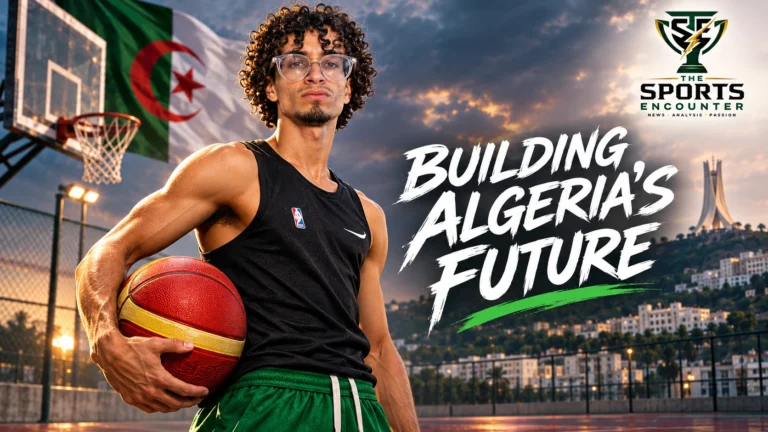
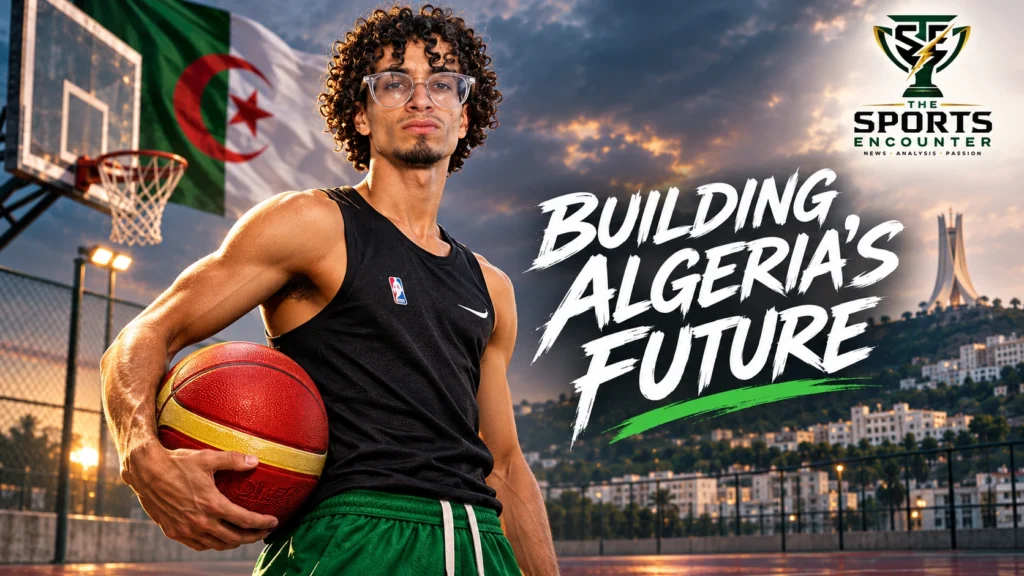
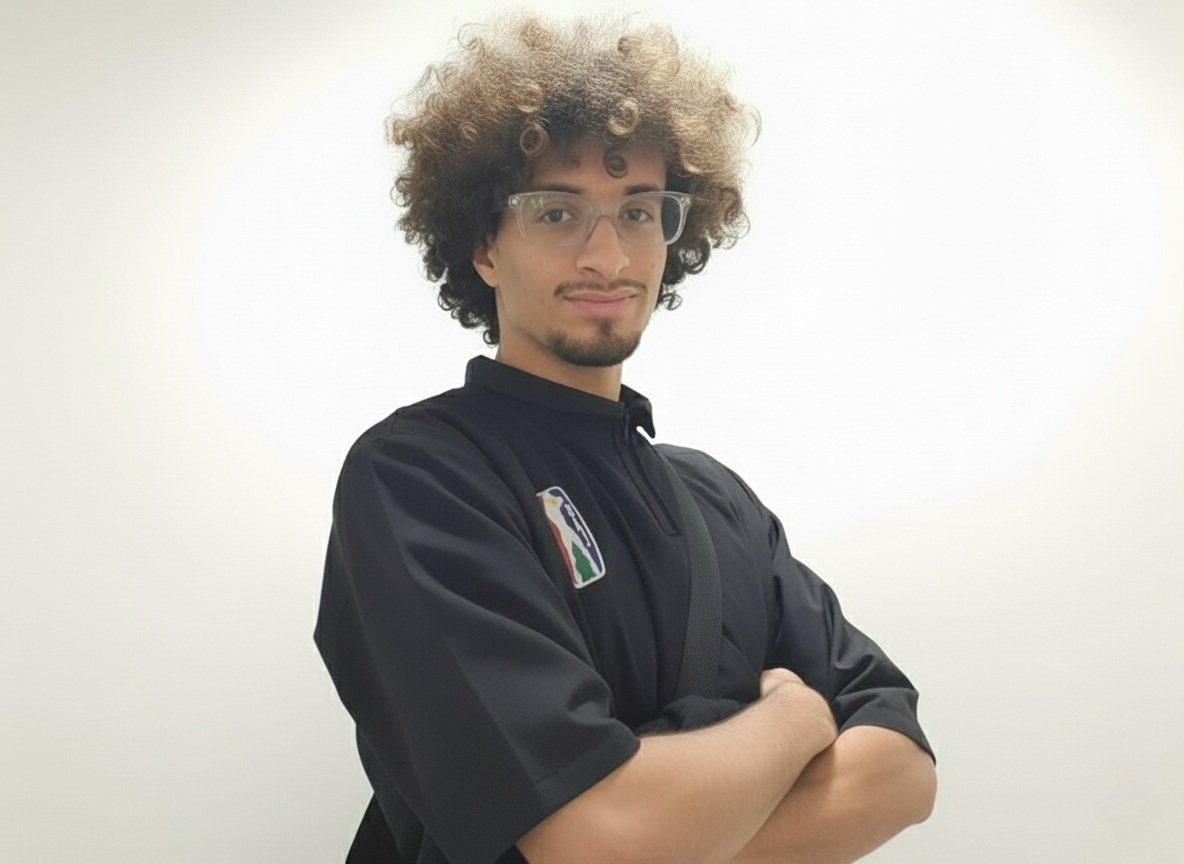
ALGIERS, Algeria, November 20, 2026: At 19, Mohamed Abdelhadi Benmansour is pursuing an ambition that reaches beyond his own basketball career. The Algerian player and aspiring coach wants to help build a more structured development pathway for young basketball players in his country, drawing on training resources from international basketball organizations while adapting them to local conditions.
His approach combines competitive playing experience, formal sports education, and coaching development programs associated with USA Basketball, Jr. NBA/Jr. WNBA, FIBA, and Basketball Australia.
Key Takeaways
- At 19, Mohamed Abdelhadi Benmansour is pursuing an ambition that reaches beyond his own basketball career.
- His approach combines competitive playing experience, formal sports education, and coaching development programs associated with USA Basketball, Jr. NBA/Jr. WNBA, FIBA, and Basketball Australia.
- Born November 19, 2007, in Kouba, Algiers, Benmansour developed his playing experience primarily as a point guard and shooting guard.
- According to his submitted athletic profile, his club career began with Nadi Riadhi Dély Ibrahim (NRDI), where he played between 2018 and 2020.
For Benmansour, the central question is how to translate what he has learned into opportunities for young players in Algiers. Access to international resources can improve a coach’s knowledge, but applying them consistently requires suitable facilities, experienced mentors, organized training, and opportunities for children to keep playing as they grow older.
Story at a glance
From Basketball Player to Youth Development Coach
Born November 19, 2007, in Kouba, Algiers, Benmansour developed his playing experience primarily as a point guard and shooting guard.
Why Benmansour Is Studying International Basketball Coaching Methods
One of the most distinctive aspects of Benmansour’s development is the range of international instructional resources he has pursued.
Adapting Basketball Education to the Realities of Algiers
The biggest test of any coaching framework comes when instruction moves from educational material to a basketball court.
Why Basketball Fundamentals Come Before Advanced Tactics
One of the most valuable aspects of a structured youth development system is the distinction between learning a skill and understanding when to use it.
Why Formal Sports Education Matters
Benmansour is also pursuing formal academic preparation in physical education and sport.
His journey provides a closer look at what grassroots basketball development can mean in a country where young coaches are trying to expand their knowledge while working within the opportunities available to them.
From Basketball Player to Youth Development Coach
Born November 19, 2007, in Kouba, Algiers, Benmansour developed his playing experience primarily as a point guard and shooting guard.
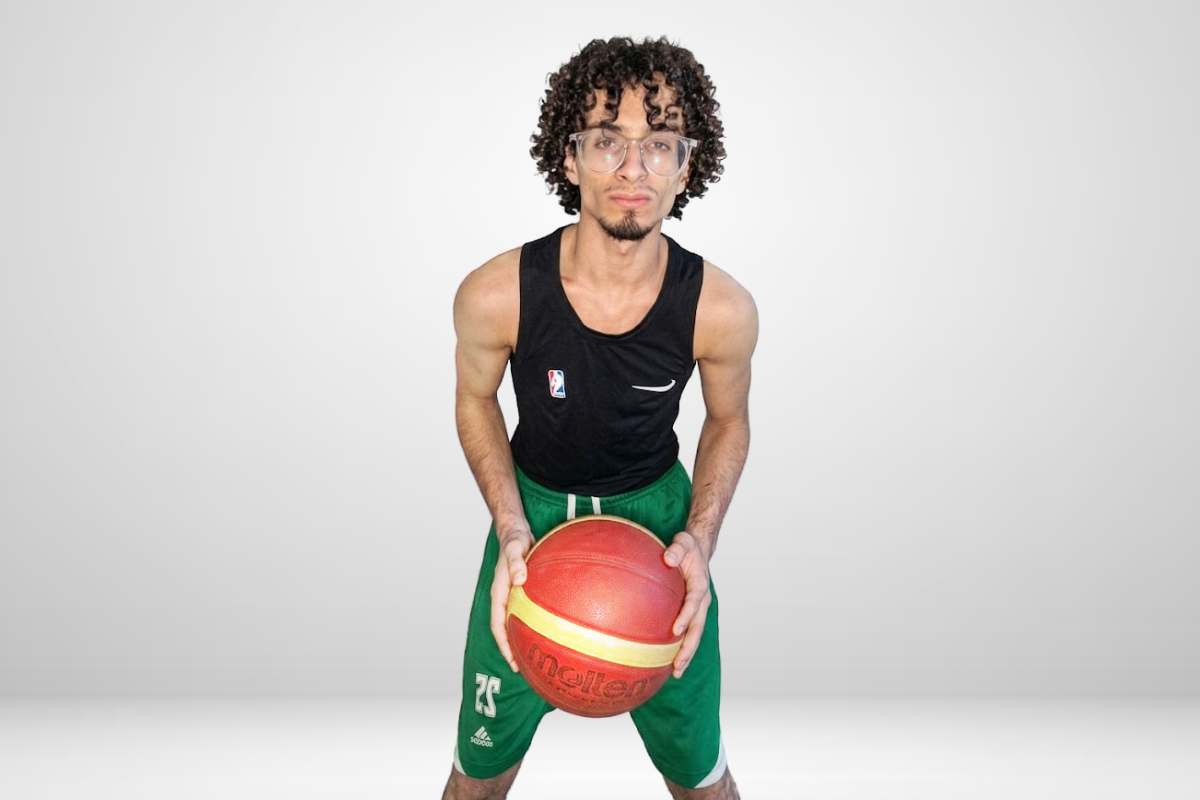
According to his submitted athletic profile, his club career began with Nadi Riadhi Dély Ibrahim (NRDI), where he played between 2018 and 2020. He later joined Nadi Riadhi Zianiya (NRZ) for the 2022–2023 period before moving to Olympique Aïn Bénian (OAB), where he played from 2023 to 2026.
He reports having served as an OAB team captain for one season, developing leadership experience alongside his responsibilities on the court.
Playing as a guard can provide a useful foundation for coaching. The position demands awareness of teammates, spacing, passing angles, defensive positioning, and the ability to recognize how a possession is developing.
Those responsibilities are relevant to Benmansour’s interest in teaching younger athletes to understand the game rather than simply repeat technical exercises.
During the 2025–2026 season, he also worked as a youth assistant coach with Nadi Riadhi Zianiya and Formation Club Baïnem, according to his professional dossier.
That transition matters because learning to play basketball and learning to teach it are different disciplines. A young player may understand a movement instinctively but still need to develop the communication skills required to explain it to a beginner.
Why Benmansour Is Studying International Basketball Coaching Methods
One of the most distinctive aspects of Benmansour’s development is the range of international instructional resources he has pursued.
His submitted records list participation in Jr. NBA coaching clinics, a Jr. WNBA educational certification, an Atlanta Hawks-associated coaching program, and additional coaching courses offered through Basketball Australia.
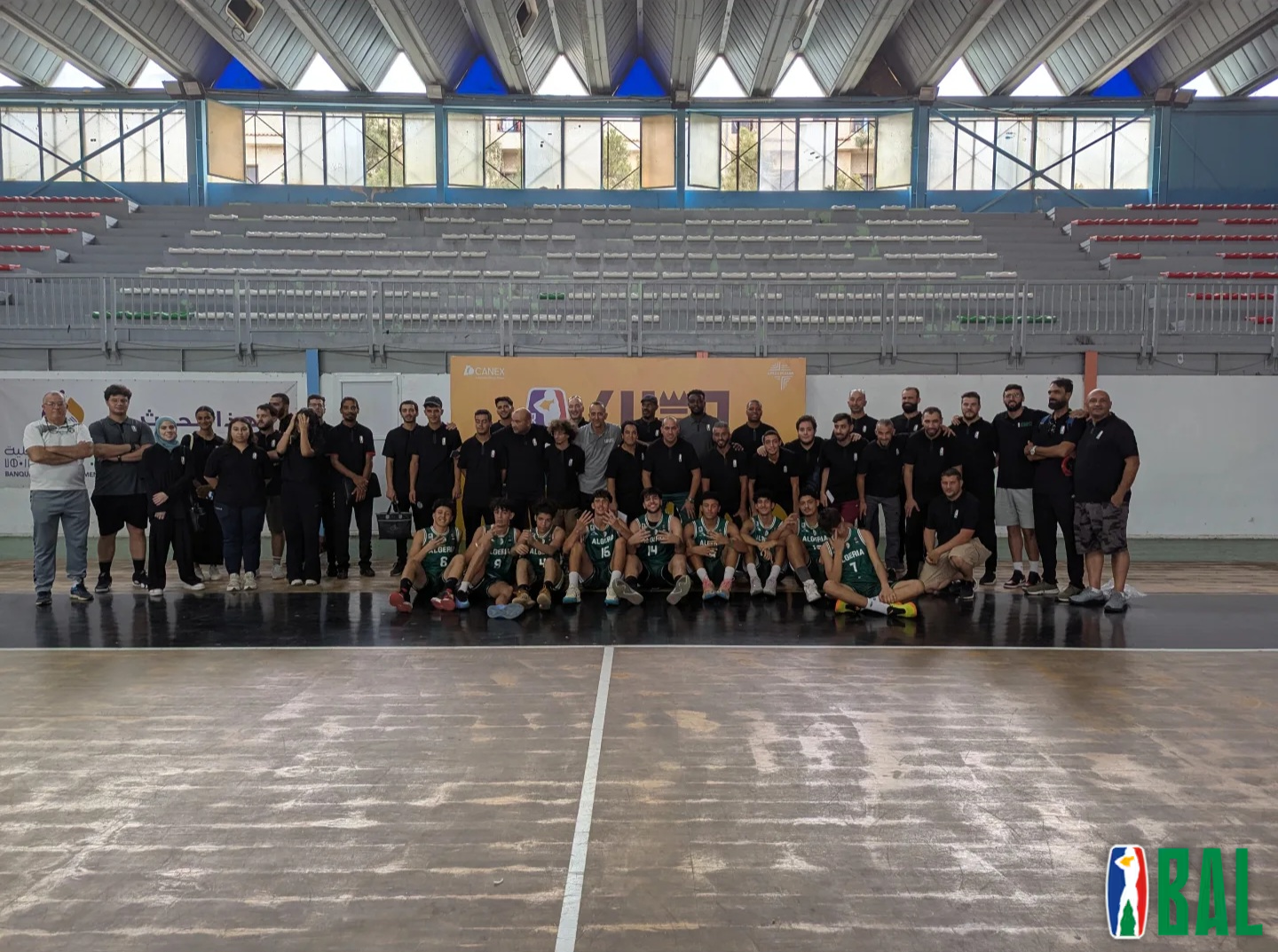
He has also reported participation in a Basketball Africa League coaching clinic led by Lamine Krideche and FIBA-related training in officiating and safeguarding.
The educational distinction is important. Completing a course, attending a clinic, or using instructional material does not automatically establish employment, representation, or an official coaching partnership with the organization providing it.
Benmansour’s current work is best understood as an independent effort to apply lessons from international coaching education to local player development.
In his editorial dossier, he describes the ambition in these words:
“I believe I am and I will be the first to educate and coach basketball in Algeria via the curriculums of Jr. NBA/WNBA and USA Basketball.”
That statement reflects his personal ambition. The Sports Encounter has not independently established that he is the first coach in Algeria to use these educational resources.
The broader concept, however, has an established instructional foundation.
The Jr. NBA/Jr. WNBA instructional curriculum provides a progressive development framework with four learning levels: Rookie, Starter, All-Star, and MVP.
Similarly, USA Basketball’s coaching resources emphasize age-appropriate player development, fundamental skills, and instructional planning.
These are resources that coaches can study and adapt. Their availability does not mean every coach using them operates an officially affiliated program.
Adapting Basketball Education to the Realities of Algiers
The biggest test of any coaching framework comes when instruction moves from educational material to a basketball court.
International coaching programs can provide structured examples of teaching technique, introducing tactical concepts, organizing practices, and measuring player development. Their effectiveness at the grassroots level depends on how well those ideas fit the athletes and facilities involved.
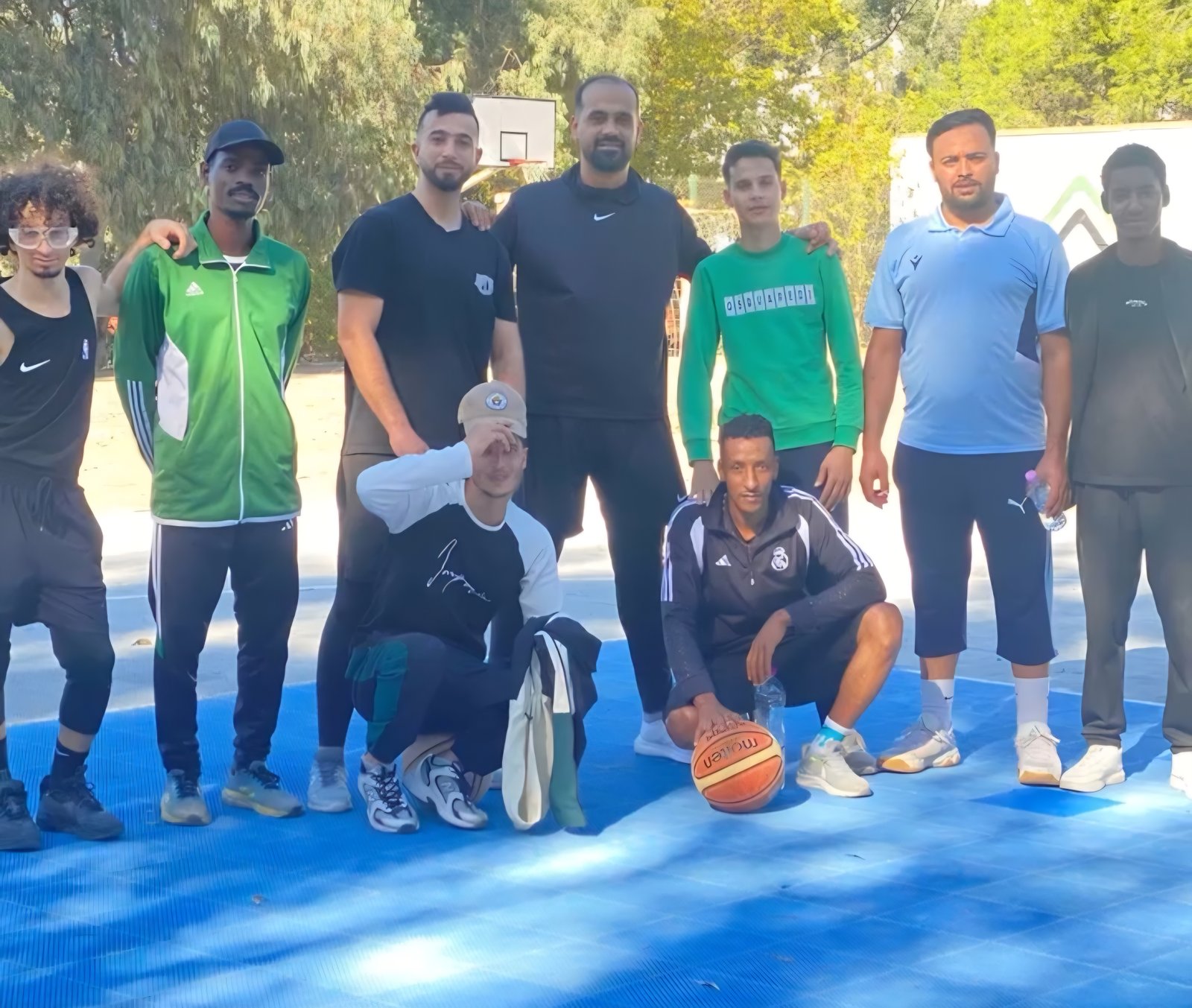
For a youth coach working with limited equipment or on outdoor courts, not every drill can be transferred directly from an established academy environment.
A coach may need to simplify an exercise, reduce the number of participants involved, change how a group rotates through stations, or adapt the session to the available playing space.
Benmansour’s development work raises an important question for Algerian basketball: Can internationally developed coaching methods help local clubs deliver more consistent instruction without requiring the infrastructure of a professional academy?
The answer will depend on execution rather than curriculum recognition alone.
Coaches need to understand why an exercise works, what a player should learn from it, and how to adapt the difficulty as the player’s abilities improve.
The principles are relevant well beyond Algeria. The Sports Encounter has previously examined why effective youth coaching requires patience, communication, and sound judgment, particularly when working with developing athletes.
Why Basketball Fundamentals Come Before Advanced Tactics
One of the most valuable aspects of a structured youth development system is the distinction between learning a skill and understanding when to use it.
A young player may become comfortable dribbling through cones but struggle when a defender closes down the available space. Another may shoot confidently during an individual drill but hesitate when required to make a quick decision during a game.
Teaching basketball effectively therefore requires progression from isolated technical skills to realistic playing situations.
For coaches studying Jr. NBA and USA Basketball materials, that progression involves several interconnected areas:
- Ball handling: Developing coordination and control under changing levels of defensive pressure.
- Passing: Learning timing, accuracy, and how to recognize an available teammate.
- Shooting: Establishing repeatable mechanics while developing appropriate shot selection.
- Footwork: Improving balance, movement efficiency, and defensive positioning.
- Decision-making: Recognizing when to pass, attack, reposition, or protect possession.
- Teamwork: Understanding communication, shared responsibilities, and movement without the ball.
This framework offers a useful way to evaluate Benmansour’s ambitions. The success of his approach should ultimately be judged by the development of the athletes he coaches, their understanding of basketball, and their ability to apply lessons in competitive situations.
Why Formal Sports Education Matters
Benmansour is also pursuing formal academic preparation in physical education and sport.
His submitted profile identifies him as a student at the National Institute for the Training of Youth and Sports Leaders, also identified as INFCJS / INFS-STS Abdellah Fadel, in Aïn Bénian.
He is studying toward a state qualification in physical and sports activities education with a basketball specialization.
The program gives him an opportunity to connect practical coaching with subjects such as exercise physiology, biomechanics, training methodology, and workload management.
Understanding these subjects can be especially valuable for coaches working with children and teenagers, whose physical abilities and developmental needs can vary considerably.
International coaching education also places increasing emphasis on how training loads, appropriate competition, and long-term participation influence player development.
USA Basketball’s published youth guidelines and coaching framework provide relevant context for these principles.
Girls’ Basketball and the Importance of Equal Development Opportunities
An effective youth basketball system must also consider whether girls have sufficient opportunities to learn, practice, compete, and continue participating.
The Jr. WNBA’s educational programming focuses on participation, belonging, confidence, and sustained engagement with basketball.
Benmansour’s submitted dossier lists completion of the Jr. WNBA Belonging in Basketball certification in September 2026.
That training is relevant to his broader development ambitions, although completing the course does not itself demonstrate that he operates an established girls’ basketball program.
For grassroots organizations, the challenge extends beyond introducing children to the sport. Programs must consider whether young athletes can access consistent instruction, appropriate facilities, supportive environments, and further playing opportunities.
Girls’ participation is particularly important when evaluating whether a proposed development program is genuinely inclusive.
A sustainable basketball pathway should give young players the opportunity to improve according to their interests and abilities, without allowing unnecessary barriers to determine who receives coaching.
Safeguarding, First Aid, and the Responsibilities of Youth Coaches
Player development involves responsibilities that extend beyond teaching basketball.
Coaches working with minors must also understand safeguarding principles, appropriate conduct, and how to respond when a participant’s welfare may be at risk.
Benmansour’s professional dossier lists a FIBA Single Point of Contact safeguarding course completed in September 2026 and first-aid-related volunteer training with the Algerian Red Crescent.
These educational experiences are relevant to his preparation for youth coaching, although they should not be confused with formal institutional authorization to operate a youth academy.
For parents and athletes, the quality of a basketball program depends partly on the safeguards surrounding instruction.
Clear supervision, suitable physical workloads, respectful communication, emergency procedures, and appropriately trained adults are important features of organized youth sport.
As The Sports Encounter has previously explored, youth sports also place substantial practical demands on families, making communication and organizational reliability important parts of long-term participation.
Can a Young Algerian Coach Build a Sustainable Basketball Development Pathway?
Benmansour’s stated ambitions extend toward more structured youth basketball education in Algeria.
Public promotional material associated with his name has also described an academy initiative under the Cold Hearts Academy name. However, the available materials do not establish the academy’s current operating scale, enrollment figures, facilities, or competitive outcomes.
That distinction matters when assessing the project’s potential.
Launching a basketball initiative and building a lasting development system are separate challenges.
A functioning pathway needs qualified instructors, consistent training schedules, opportunities for competitive participation, and methods for assessing individual development.
It also needs to remain accessible enough for young players to continue participating after their initial introduction to the sport.
For Benmansour, the next stage of progress will be measured by the implementation of these ambitions.
Evidence of regular coaching activity, organized programming, player participation, and documented development outcomes would provide a clearer picture of what his approach is achieving.
What Mohamed Benmansour’s Journey Tells Us About Grassroots Basketball
Benmansour represents a type of emerging coach whose development is increasingly influenced by access to international educational materials and digital instruction.
Rather than relying exclusively on personal playing experience, he is pursuing formal qualifications and learning from different coaching systems.
That combination has potential, but qualifications and educational resources remain starting points.
The real value of a youth coach emerges through the quality of teaching, consistent application, responsible supervision, and the improvement of young athletes over time.
For Algeria, Benmansour’s journey illustrates how individual coaching initiatives can contribute to wider conversations about developing the country’s next generation of basketball players.
For the 19-year-old himself, the challenge is now to turn an expanding educational background into an enduring record of meaningful player development.
Continue the NBA Story


Frequently Asked Questions
Who Is Mohamed Abdelhadi Benmansour?
Mohamed Abdelhadi Benmansour is an Algerian basketball player and aspiring youth development coach from Algiers. Born November 19, 2007, he has played as a point guard and shooting guard while pursuing coaching education and sports science studies.
Is Mohamed Benmansour an Official NBA Coach?
There is no verified evidence that Benmansour is employed by, officially represents, or operates a licensed coaching program on behalf of the NBA. His work involves independently studying and applying resources associated with Jr. NBA/Jr. WNBA and other coaching organizations.
Which Basketball Clubs Has He Played For?
His submitted profile lists Nadi Riadhi Dély Ibrahim, Nadi Riadhi Zianiya, and Olympique Aïn Bénian among his previous clubs.
What Is His Basketball Coaching Philosophy?
His documented educational interests emphasize fundamental skills, structured training, player development, and the application of international instructional methods. The effectiveness of these methods in his own programs requires assessment through actual coaching outcomes.
What Coaching Courses Has He Completed?
His submitted records list Jr. NBA clinics, Jr. WNBA educational training, an Atlanta Hawks-associated coaching course, Basketball Australia programs, FIBA safeguarding education, and other basketball-related clinics.
Where Is Benmansour Studying?
According to his submitted profile, he is studying physical and sports activities education with a basketball specialization at INFCJS / INFS-STS Abdellah Fadel in Aïn Bénian, Algeria.
What Is His Long-Term Goal?
His stated ambition is to contribute to structured youth basketball development in Algeria by applying international coaching education to local training opportunities.
Does Algeria Have an Official Jr. NBA Program Operated by Benmansour?
No official NBA affiliation or authorization for a Benmansour-operated Jr. NBA program has been established by the evidence reviewed for this article.
Editorial Note
This feature draws on biographical information, professional documentation, and an attributed personal statement supplied by Mohamed Abdelhadi Benmansour, together with publicly available educational resources. His reported qualifications and experience are identified according to their supporting sources. The article does not imply institutional affiliation with the NBA, WNBA, USA Basketball, FIBA, or Basketball Australia.
For additional basketball reporting, visit The Sports Encounter’s NBA coverage, explore the NBA news and analysis hub, or read our coverage of LeBron James and Kevin Durant’s involvement in new youth basketball opportunities and Taylor Englebert’s emerging basketball journey.