Connect with us

Published

on

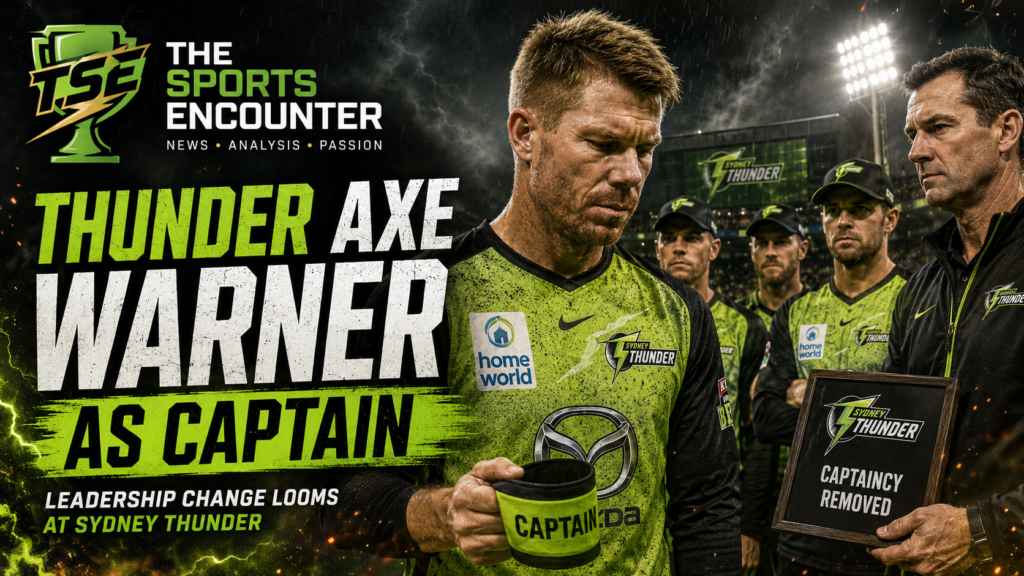
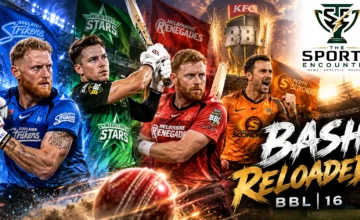
David Warner spent years fighting for the right to captain an Australian cricket team again. His guilty plea to a mid-range drink-driving charge has now placed that hard-won second chance in serious danger ahead of the 2026-27 Big Bash League season.

Warner admitted the offence through his lawyer at Waverley Local Court after recording a blood-alcohol reading of 0.104 during the Easter break. The figure was more than twice Australia’s general legal limit of 0.05.

He is due to be sentenced on August 18, but the legal punishment will not settle the leadership question confronting Sydney Thunder and Cricket NSW.

Thunder must decide whether Warner can continue as the official leader of a team connected to public messaging against drink-driving.

The club does not need to terminate his contract or remove him from its playing plans. Warner remains an elite T20 batter, a major commercial figure and an experienced mentor.

Captaincy carries a different standard. Keeping him as skipper would leave Thunder defending an uncomfortable contradiction throughout BBL|16.

David Warner Drink-Driving Case: Key Facts

Incident date April 5, 2026
Location Maroubra, Sydney
Blood-alcohol reading 0.104
Charge Mid-range prescribed concentration of alcohol driving
Plea Guilty
Sentencing date August 18, 2026
Current club Sydney Thunder
Current role Captain and opening batter

What Happened During Warner’s Easter Break?

Warner was home in Sydney during a break from captaining Karachi Kings in the Pakistan Super League when the incident occurred on April 5.

Police were operating a roadside breath-testing site on Malabar Road in Maroubra. Warner’s vehicle stopped and parked before reaching the testing point, prompting officers to approach the car.

A roadside test returned a positive result. Warner was taken to Maroubra Police Station, where the secondary test produced a reading of 0.104.

His lawyer, Bobby Hill, said Warner had consumed three glasses of wine at a friend’s apartment before deciding to drive. Hill acknowledged that his client should have taken an Uber and called the decision reckless and foolish.

The lawyer also said Warner’s final drink had been consumed shortly before police stopped him.

Warner was not required to attend court when the guilty plea was formally entered. His legal team indicated that discussions over the agreed facts were continuing ahead of sentencing.

Whatever sentence follows, the central fact is no longer disputed. Warner has accepted responsibility for driving after drinking.

Why This Cannot Be Treated as a Private Matter

Off-field conduct is sometimes classified as a personal matter when it does not affect a player’s availability or involve the club directly.

That distinction is difficult to maintain here.

Cricket NSW, Sydney Thunder and Sydney Sixers have supported road-safety messaging intended to discourage drink-driving. Cricket NSW chief executive Lee Germon described the allegations as concerning and said the organization strongly supported safe driving.

The club now faces a direct test of that position.

Thunder can retain Warner as a player while acknowledging that his conduct was incompatible with the responsibilities attached to captaincy.

Leaving the leadership structure untouched would send a different message. It could suggest that the standards promoted publicly carry fewer consequences when the person involved is the team’s biggest star.

Warner’s Runs Still Matter to Sydney Thunder

Removing Warner as captain should not be confused with questioning his cricketing value.

He remains a destructive opener capable of controlling an innings or overwhelming an attack during the powerplay. His experience, tactical knowledge and understanding of Australian conditions continue to make him one of Thunder’s most important players.

The club’s official David Warner player profile reflects his status as one of the most accomplished batters associated with the franchise.

Thunder can continue building their batting plans around him. They can also use his experience to help young players without requiring him to remain the formal leader.

Cricket regularly separates individual importance from captaincy. A team’s leading run-scorer does not automatically have to be its skipper.

The Sports Encounter examined a similar distinction between batting status and leadership responsibility when assessing Babar Azam’s return as Pakistan Test captain.

The circumstances are different, but the principle remains useful. Captaincy is an institutional responsibility, not a reward for scoring the most runs.

Captaincy Requires More Than Match-Day Performance

A Big Bash captain handles tactical decisions, represents the team publicly, works closely with management and helps establish standards inside the dressing room.

The captain may also appear in community programs, commercial campaigns and events aimed at younger supporters.

Those duties give the role a significance that extends beyond the boundary.

Warner’s authority would be tested whenever Thunder addressed behavior, responsibility or off-field standards. Players could reasonably ask how accountability operates when the captain has admitted making a serious and avoidable decision.

That does not mean Warner has lost the respect of every teammate. It means Thunder must consider whether retaining him weakens the credibility of the position itself.

The 2024 Leadership Review Makes the Case More Serious

Warner’s Thunder captaincy carried unusual meaning because he had previously been banned for life from holding leadership positions in Australian cricket.

The ban followed his role in the 2018 ball-tampering scandal in South Africa. Alongside a 12-month playing suspension, Warner was prevented from captaining an Australian team indefinitely.

An independent panel lifted that leadership sanction in October 2024 after accepting evidence of remorse, rehabilitation and improved conduct.

Sydney Thunder appointed him captain soon afterward.

His restoration to leadership therefore represented more than a tactical appointment. It was a public statement that Warner had rebuilt enough trust to lead again.

The drink-driving offence does not erase every positive action he has taken since 2018. It does, however, require Thunder to reassess whether he should continue holding a role restored partly because of his claimed rehabilitation.

A player returning from a lifetime leadership ban understands that later conduct will receive greater scrutiny.

A Second Chance Comes With a Higher Burden

Warner fought hard to overturn the leadership sanction and repeatedly expressed frustration over the process.

Once that effort succeeded, he received something few players obtain after a major scandal: another opportunity to lead.

That second chance came with a higher burden of judgment.

Thunder entrusted Warner with mentoring young players and representing the club’s identity. His guilty plea does not require another lifetime ban, but it makes an immediate captaincy review unavoidable.

The organization should judge the role according to its own standards rather than treating the court sentence as the only consequence that matters.

Chris Green Gives Thunder a Ready-Made Alternative

Sydney Thunder are not short of leadership options.

Chris Green has captained the side previously and understands the squad, competition and demands of franchise cricket. He offers continuity without forcing the club into a complete strategic reset.

Green can also contribute tactically across different phases of a match as a spinner and experienced domestic player.

Sam Billings has captained teams in franchise cricket, although overseas availability could complicate a full-season appointment. Daniel Sams and other senior players could form part of a broader leadership group.

The replacement does not need to match Warner’s batting record. Thunder need someone capable of representing the club consistently and supporting its standards.

Removing the Captaincy Would Be a Proportionate Response

Some supporters will argue that Warner has admitted his mistake, shown remorse and should be allowed to move forward once the court process ends.

That argument carries weight when considering his playing career.

It does not mean the captaincy must remain untouched.

Thunder could retain Warner, support him through sentencing and allow him to rebuild public trust while appointing a different skipper for BBL|16.

Such a decision would not amount to abandoning him. It would connect the consequence directly to the leadership position affected by the conduct.

Warner could remain part of the senior group, advise the captain and help younger batters. He would continue contributing without serving as the club’s formal representative.

What Cricket NSW Risks by Keeping Warner as Captain

Damage to Public Credibility

Road-safety messaging would appear inconsistent if the organization condemned drink-driving but retained a guilty player as one of its most prominent leaders.

Pressure From Sponsors and Partners

Big Bash clubs depend on commercial relationships and community credibility. A prolonged dispute over the captaincy could distract from the season and place partners in an uncomfortable position.

Questions Inside the Dressing Room

Leadership depends on the authority to enforce standards. Warner’s admitted decision could weaken that authority when future behavioral issues arise.

A Distraction Throughout BBL|16

Every media appearance, road-safety campaign and major Thunder event could return to the same unresolved question.

The Message to Young Supporters

The Big Bash attracts families and children. Captains are promoted as visible representatives of their clubs, which gives Thunder a wider responsibility when choosing who holds the title.

Warner Can Still Rebuild Trust

Losing the captaincy would not need to become a permanent ending to Warner’s leadership ambitions.

Thunder could review the position after a full season based on his conduct, legal compliance and contribution to the club.

A temporary removal would distinguish the response from the lifetime ban imposed after Cape Town.

It would also give Warner a clear path forward. He could participate in road-safety education, acknowledge the consequences of his actions and demonstrate change through behavior rather than statements.

Cricket careers frequently involve changes in responsibility. The Sports Encounter’s analysis of Ben Stokes’ leadership legacy showed how captaincy shapes a player’s wider reputation beyond statistics.

Warner’s next phase will be shaped by how he responds if that responsibility is removed.

What Sydney Thunder Should Do

  1. Allow the sentencing hearing to conclude on August 18.
  2. Complete an internal conduct review involving Thunder and Cricket NSW.
  3. Separate Warner’s playing contract from his captaincy status.
  4. Appoint Chris Green or another senior player as BBL|16 captain.
  5. Retain Warner as an opening batter and experienced squad member.
  6. Establish clear community or road-safety responsibilities.
  7. Review Warner’s future leadership eligibility after the season.

This response would recognize the seriousness of the offence while avoiding an excessive or permanent playing sanction.

Why the Decision Matters Beyond Warner

Cricket organizations frequently speak about culture, responsibility and accountability.

Those standards become meaningful when applying them is difficult.

Warner is commercially valuable, popular with supporters and central to Thunder’s batting. That makes the decision harder, but it also makes the response more important.

Removing a fringe player from leadership would prove little. Holding the team’s biggest star to the same principles would give Cricket NSW’s public commitments greater credibility.

The wider Big Bash League platform will carry official competition updates, schedules and club announcements ahead of BBL|16.

Readers can also follow The Sports Encounter’s cricket news and analysis, including its examination of Babar Azam’s batting and leadership legacy and its historical feature on Imran Khan’s influence as a captain and all-rounder.

Final Verdict

Sydney Thunder should not end David Warner’s playing career over the drink-driving guilty plea.

They should remove him as captain for BBL 2026-27.

Warner remains capable of winning matches, mentoring young players and contributing to the franchise. None of those qualities require him to retain the formal leadership position.

Keeping him as skipper would place Cricket NSW’s road-safety commitments under constant scrutiny and create the impression that exceptional performance can soften leadership consequences.

Thunder gave Warner a meaningful second chance when his lifetime captaincy ban was lifted. His admitted conduct now requires a meaningful response.

He can continue playing and begin rebuilding trust.

The captaincy should pass to someone else. “`

Agnus Hendricks is a Sydney-based sports psychologist and writer covering cricket, tennis, soccer, the Olympic Games, and Australia’s A-League. His professional background gives him a distinctive perspective on the mental, emotional, and tactical demands of elite competition, including how athletes respond to pressure, recover from setbacks, maintain concentration, and make decisions in decisive moments. At The Sports Encounter, Agnus combines sports psychology with match analysis, tournament context, player performance, and broader sporting trends. His work looks beyond scores and statistics to examine the mindset, preparation, leadership, and competitive behaviors that often shape results. Based in Australia, he also brings a regional perspective to international sport while covering major athletes, teams, competitions, and emerging stories across the global sporting calendar.

CPL 2026

Guyana Amazon Warriors Beat Jamaica by 8 Wickets: One Win From CPL 2026 Playoff Qualification

Guyana Amazon Warriors chased 160 in 17.2 overs to beat Jamaica Kingsmen by eight wickets in CPL 2026 Match 26. The result moved Guyana to 10 points and left them one victory away from mathematically securing a playoff place, while Jamaica now have only one league match left.

Published

on

Guyana Amazon Warriors celebrate an eight-wicket win over Jamaica Kingsmen in CPL 2026 Match 26 as the playoff qualification race tightens.

PROVIDENCE, Guyana, September 4, 2026: Guyana Amazon Warriors moved to the brink of the Caribbean Premier League 2026 playoffs with another commanding chase, defeating Jamaica Kingsmen by eight wickets in Match 26 at Providence Stadium.

Jamaica recovered from 87 for six to post 159 for seven, largely because Hassan Khan transformed the final six overs with an unbeaten 62 from 29 balls. Guyana still made the target look modest. Rahmanullah Gurbaz struck 54 from 35 deliveries, Mavendra Dindyal blasted 33 from 17, and Shai Hope and Shimron Hetmyer completed the chase at 160 for two with 16 balls unused.

The result gave Guyana their fifth victory from five matches and moved them to 10 points, one behind table leaders Antigua and Barbuda Falcons despite having played four fewer games.

More importantly, the playoff equation has become unusually clear.

One more Guyana victory guarantees a top-four finish.

Jamaica’s position is considerably more uncomfortable. The Kingsmen remain on eight points after nine matches, have only one fixture left, and can finish with a maximum of 10.

The Sports Encounter’s recent CPL 2026 playoff race analysis showed how games in hand had made Guyana’s table position misleading. Match 26 has now turned that theoretical advantage into something much more concrete.

Guyana vs Jamaica: CPL 2026 Match 26 at a Glance

Match Detail Information
Competition Caribbean Premier League 2026
Match Match 26
Venue Providence Stadium, Guyana
Toss Guyana Amazon Warriors elected to field
Jamaica Kingsmen 159/7 in 20 overs
Guyana Amazon Warriors 160/2 in 17.2 overs
Result Guyana Amazon Warriors won by 8 wickets
Balls Remaining 16
Player of the Match Dwaine Pretorius, 2/20
Jamaica Top Scorer Hassan Khan, 62* from 29 balls
Guyana Top Scorer Rahmanullah Gurbaz, 54 from 35 balls

Guyana Move to 10 Points With Five Wins From Five

The bare standings make Guyana look second.

The deeper numbers make them look like the team with the strongest playoff position in the tournament.

Antigua and Barbuda Falcons lead with 11 points from nine matches. Guyana sit immediately behind them on 10, but Imran Tahir’s team has played only five games.

Five matches remain.

The Warriors can therefore still reach 20 points, comfortably the highest maximum available to any team in the competition.

More urgently, they need only one more victory to remove the playoff question completely.

CPL 2026 Points Table After Match 26

Pos. Team P W L NR Pts NRR Maximum
1 Antigua and Barbuda Falcons 9 5 3 1 11 -0.267 13
2 Guyana Amazon Warriors 5 5 0 0 10 +2.314 20
3 Jamaica Kingsmen 9 4 5 0 8 -0.096 10
4 St Lucia Kings 8 4 4 0 8 -0.888 12
5 St Kitts and Nevis Patriots 8 3 4 1 7 +0.593 11
6 Trinbago Knight Riders 8 2 6 0 4 -0.167 8
7 Barbados Tridents 5 2 3 0 4 -0.784 14

Standings frozen immediately after CPL 2026 Match 26 and before Match 27.

Why One More Guyana Win Guarantees Qualification

This is the key playoff calculation.

Guyana currently have 10 points.

Another victory takes them to 12.

Once Guyana reach 12, only three other teams can potentially finish on 12 points or more:

  • Barbados Tridents: maximum 14
  • Antigua and Barbuda Falcons: maximum 13
  • St Lucia Kings: maximum 12

St Kitts and Nevis Patriots can reach only 11. Jamaica can reach only 10. Trinbago Knight Riders can reach only eight.

That means Guyana cannot finish below fourth if they get to 12 points.

One victory from their remaining five matches is therefore enough.

The Warriors’ next opportunity comes against St Kitts and Nevis Patriots, one of the teams fighting desperately to stay in the playoff race.

Guyana’s Remaining CPL 2026 Fixtures

Opponent Date Qualification Significance
St Kitts and Nevis Patriots September 6 A Guyana win guarantees playoff qualification
Antigua and Barbuda Falcons September 8 Could shape the top-two race
St Lucia Kings September 9 Direct impact on playoff seeding
Trinbago Knight Riders September 11 Potential elimination implications for TKR
Barbados Tridents September 13 Could influence top-two and qualification positions

Jamaica’s Final-Match Equation Has Become Brutal

Jamaica entered Match 26 knowing that victory would move them to 10 points and significantly strengthen their playoff position.

Instead, they remain stuck on eight.

Only one league fixture remains, against Barbados Tridents.

A victory would take Jamaica to 10.

A defeat would leave them on eight.

Even 10 points will not guarantee qualification.

That represents a major shift from the position Jamaica occupied only a few matches ago, when consecutive victories had rescued their tournament after a difficult start.

The Kingsmen’s season changed when Keemo Paul produced 65 from 36 balls and took 3/30 in a 51-run win against St Kitts. The Sports Encounter covered that turnaround in our Match 10 report on Paul’s all-round performance.

Saim Ayub later delivered another major moment with his maiden T20 hundred against the Patriots, an innings detailed in our Jamaica vs St Kitts Match 18 report.

Those wins brought Jamaica back into contention.

Match 26 has taken control away from them again.

Jamaica Playoff Qualification Scenarios After Match 26

Final Match Result Final Points Playoff Outlook
Beat Barbados 10 Still alive, but dependent on St Lucia, St Kitts and Barbados results
No result 9 Qualification becomes heavily dependent on other teams failing to reach 10
Lose to Barbados 8 Possible mathematically, but would require a highly favorable sequence elsewhere

Jamaica’s major problem is that several rivals still have matches in hand.

St Lucia already have eight points with two matches remaining.

St Kitts have seven with two left.

Barbados have only four points, but five matches remain, giving them a maximum of 14.

Jamaica therefore cannot simply win their final game and assume 10 will be enough.

Barbados Hold the Biggest Wild Card in the Playoff Race

The table can be misleading because Barbados sit seventh.

They have played only five matches.

The Tridents still have 10 potential points available and can reach 14, a ceiling higher than every team except Guyana.

That makes Barbados dangerous for Jamaica, St Lucia and St Kitts.

Their recent defeat to the Patriots, when St Kitts chased 218, hurt badly but did not remove their structural advantage. The Sports Encounter examined that remarkable match in our report on the Patriots’ historic 218 chase.

Every Barbados game from this point has playoff consequences.

Dwaine Pretorius Strikes Before Jamaica Can Build

The playoff story began with another disciplined Guyana bowling performance.

Pretorius struck in his first over, trapping Kirk McKenzie lbw for one.

Keacy Carty attempted to counterattack, hitting two sixes during an 18 from 12 balls, but Pretorius removed him as well.

Jamaica were 37 for two after 4.2 overs.

The South African seamer eventually finished with 2 for 20 from three overs and was named Player of the Match.

His contribution continued a strong CPL campaign in which Guyana’s bowling attack has repeatedly created early control.

Pretorius had already played a central role when Guyana defeated St Lucia in Match 11. That performance is covered in The Sports Encounter’s Guyana vs St Lucia Match 11 analysis.

Khary Pierre Squeezes Jamaica Through the Middle

Guyana did not rely only on Pretorius.

Khary Pierre produced the most economical spell of the innings, taking 2 for 21 from four overs.

He dismissed Usman Khan for 10 before ending Maaz Sadaqat’s patient 35 from 34 deliveries.

Pierre delivered 11 dot balls and conceded only 5.25 runs per over, making boundary accumulation extremely difficult through the middle phase.

Mohammad Nabi added another critical wicket when he bowled Jamaica captain Rovman Powell first ball.

That dismissal left the Kingsmen 83 for five.

Fourteen deliveries later, they were 87 for six.

Hassan Khan Rescues Jamaica From 87/6

At 87 for six after 13.5 overs, Jamaica were in danger of finishing well below 140.

Hassan Khan changed that.

The left-hander attacked immediately and found a boundary-hitting rhythm that no other Jamaica batter had sustained.

He reached his fifty from only 24 deliveries, hitting one four and five sixes along the way.

His seventh-wicket partnership with Odean Smith added 55 runs and forced Guyana to defend a much more respectable target.

Hassan eventually finished unbeaten on 62 from 29 balls with two fours and six sixes.

His strike rate of 213.79 turned an innings that had stalled badly into 159 for seven.

Jamaica Kingsmen Batting Scorecard

Batter Runs Balls 4s 6s Strike Rate
Maaz Sadaqat353411102.94
Kirk McKenzie130033.33
Keacy Carty181202150.00
Usman Khan10121083.33
Keemo Paul151510100.00
Rovman Powell01000.00
Hassan Khan62*2926213.79
Odean Smith13141092.85

Guyana Destroy the Required Rate in the Powerplay

Jamaica needed early wickets.

Guyana instead scored 65 runs in the first six overs.

Mavendra Dindyal was responsible for the initial acceleration.

The young opener struck four sixes during 33 from only 17 balls, giving Guyana a scoring rate Jamaica had never achieved consistently during their own innings.

Hunain Shah bowled Dindyal in the fifth over, but the wicket did little to change the chase.

Guyana were already 46 for one.

The Warriors reached 50 after 5.2 overs and completed the powerplay on 65 for one.

Rahmanullah Gurbaz Turns Control Into Dominance

Gurbaz took over once Dindyal departed.

His innings contained five fours and three sixes, and he reached his half-century from 31 balls.

The second-wicket partnership with Hope reached 68 before Maaz Sadaqat finally dismissed Gurbaz for 54.

By then, Guyana were 114 for two after 12.2 overs.

They required only 46 more runs from 46 deliveries.

There was no realistic route back for Jamaica.

Hope and Hetmyer Finish Without Drama

Hope remained unbeaten on 39 from 35 balls, providing the calm presence that has repeatedly made Guyana’s chases difficult to disrupt.

Hetmyer supplied the final acceleration.

He struck 30 not out from 17 balls, including two fours and a six, as Guyana passed 150 in the 16th over.

The chase ended at 160 for two after 17.2 overs.

Guyana had 16 balls remaining and eight wickets unused.

The Warriors’ ability to chase efficiently has been one of the defining features of their season. Their tournament began with another comfortable pursuit against Jamaica, when Mohammad Nabi took 4/22 and Shai Hope finished unbeaten on 56. The Sports Encounter covered that first meeting in our CPL Match 6 report.

Guyana Have Beaten Jamaica Twice, and Neither Chase Was Close

The two meetings between these teams tell a wider story about their seasons.

In Match 6, Guyana bowled Jamaica out for 117 and chased the target with 35 balls remaining.

In Match 26, Jamaica improved to 159 for seven.

Guyana still won with 16 balls left.

Across both games, Jamaica have struggled to make Guyana uncomfortable for long enough.

The Warriors have consistently found answers with the ball, and their batting depth has removed pressure from individual chases.

Guyana’s Net Run Rate Remains a Major Playoff Weapon

Guyana’s net run rate stands at +2.314 after Match 26.

No other team is close.

St Kitts are the only other side currently carrying a clearly positive NRR at +0.593.

Antigua lead the table but sit at -0.267. Jamaica are at -0.096 and St Lucia have fallen to -0.888 after their 137-run defeat to St Kitts.

The Warriors therefore possess substantial protection if final positions are decided by tied points.

The scale of that NRR advantage began developing early. After Guyana crushed Antigua in Match 15, their NRR had climbed close to +3.0. The Sports Encounter analyzed that performance in our Guyana vs Falcons Match 15 report.

St Kitts Suddenly Have a Real Route Into the Top Four

The Patriots looked close to elimination earlier in the tournament.

That changed dramatically across two matches.

First, they chased 218 against Barbados.

Then Dasun Shanaka produced a record-breaking 121 not out from 43 balls as the Patriots demolished St Lucia by 137 runs.

Shanaka’s century was the fastest in CPL history, and The Sports Encounter detailed the records in our full report on his extraordinary innings.

Those results lifted St Kitts to seven points and, crucially, boosted their NRR to +0.593.

They now face Guyana.

A Patriots victory would take them to nine points and delay Guyana’s mathematical qualification.

A Guyana victory would send the Warriors through and leave St Kitts with only one match remaining.

That makes Match 28 one of the most consequential games left in the league phase.

St Lucia Are Still Alive, but the 137-Run Loss Hurt Twice

St Lucia remain on eight points and can still reach 12.

Their problem is the damage suffered against the Patriots.

The defeat did not only cost them two points. It crushed their NRR from a relatively manageable position to -0.888.

If St Lucia finish level on points with Jamaica, St Kitts or another contender, that NRR could become extremely expensive.

Earlier in the tournament, St Lucia looked much healthier after Tim Seifert’s unbeaten 105 and Roston Chase’s three-wicket burst defeated Trinbago Knight Riders. That match is analyzed in our Match 17 report.

TKR Need Help Even Before Their Final Two Games

Defending champions Trinbago Knight Riders remain on four points after eight matches.

Their maximum is eight.

That means TKR cannot catch Guyana and cannot catch Antigua.

They can only reach Jamaica’s current total.

Their qualification route therefore requires victories in both remaining matches and a chain of favorable results involving Jamaica, St Lucia, St Kitts and Barbados.

The margin for error is gone.

CPL 2026 Maximum Points After Match 26

Team Current Points Games Left Maximum Points Qualification Position
Guyana Amazon Warriors 10 5 20 One win guarantees playoffs
Antigua and Barbuda Falcons 11 1 13 Extremely strong position
Barbados Tridents 4 5 14 Large games-in-hand advantage
St Lucia Kings 8 2 12 Still control a strong route
St Kitts and Nevis Patriots 7 2 11 Back in contention after two huge wins
Jamaica Kingsmen 8 1 10 Must win and watch other results
Trinbago Knight Riders 4 2 8 Need two wins and extensive help

Who Controls Their Own Playoff Fate?

Guyana clearly do.

They need one win from five.

Antigua are already on 11 and remain in a very strong position with one match left.

Barbados also retain considerable control because of their five games in hand.

St Lucia can reach 12 by winning both remaining matches.

The situation becomes less comfortable below them.

St Kitts can reach 11 but have almost no room for another defeat.

Jamaica can reach only 10.

TKR can reach only eight.

The playoff race is therefore separating into three groups: teams with control, teams requiring wins plus help, and teams running out of mathematical space.

Match 26 Turning Points

  • 0.6 overs: Pretorius traps Kirk McKenzie lbw and gives Guyana the early breakthrough.
  • 4.2 overs: Pretorius removes Keacy Carty, preventing his aggressive start from developing.
  • 12.2 overs: Rovman Powell is bowled first ball by Mohammad Nabi, leaving Jamaica 83 for five.
  • 13.5 overs: Pierre removes Maaz Sadaqat and Jamaica fall to 87 for six.
  • Final six overs: Hassan Khan changes the innings with 62 not out from 29 balls.
  • Powerplay: Guyana race to 65 for one, effectively breaking the chase open.
  • 12.2 overs: Gurbaz falls for 54 with Guyana already 114 for two.
  • 17.2 overs: Hope and Hetmyer complete the chase with 16 balls remaining.

The Sports Encounter Verdict

Match 26 separated two teams that may occupy very different positions by the time the CPL reaches the playoffs.

Guyana are still unbeaten.

Five matches have produced five victories, 10 points and the best net run rate in the competition.

Their batting has not depended on one player. Their bowling has not required one type of surface. They have won through spin, pace, structured chases and aggressive powerplays.

Jamaica fought hard enough to make 159 competitive after being reduced to 87 for six, and Hassan Khan deserves considerable credit for ensuring the innings did not collapse.

The problem was what happened before and after his intervention.

The Kingsmen lost too many wickets through the middle phase and then conceded 65 runs in the powerplay. By the time Gurbaz was dismissed, Guyana required exactly one run per ball with eight wickets available.

The playoff consequences are even more damaging than the defeat itself.

Jamaica now have only one chance to add points.

Guyana have five.

The Kingsmen can reach 10.

The Warriors can reach 20.

One more Guyana win settles their qualification.

A Jamaica win in their final match merely keeps the door open.

That is the clearest measure of how much Match 26 changed the CPL 2026 playoff race.

For official tournament fixtures, schedules and team information, visit the Caribbean Premier League, the official Guyana Amazon Warriors team page, and the official CPL information on the Jamaica Kingsmen 2026 squad.


Frequently Asked Questions

Who won Guyana Amazon Warriors vs Jamaica Kingsmen in CPL 2026 Match 26?

Guyana Amazon Warriors defeated Jamaica Kingsmen by eight wickets at Providence Stadium. Guyana chased 160 in 17.2 overs after Jamaica scored 159 for seven.

Are Guyana Amazon Warriors qualified for the CPL 2026 playoffs?

Not yet mathematically after Match 26, but one more victory will guarantee Guyana a top-four finish.

How many points do Guyana Amazon Warriors have?

Guyana have 10 points from five matches after winning all five of their CPL 2026 games.

What do Guyana need to qualify for the CPL playoffs?

One victory from their remaining five league matches will take Guyana to 12 points and mathematically guarantee a playoff place.

Can Jamaica Kingsmen still qualify for the CPL 2026 playoffs?

Yes. Jamaica remain alive on eight points, but they have only one league match remaining. A victory would take them to 10 points, after which they would still depend on results involving St Lucia, St Kitts and Barbados.

What is Jamaica Kingsmen’s maximum possible points total?

Jamaica can finish with a maximum of 10 points.

Who was Player of the Match in Guyana vs Jamaica?

Dwaine Pretorius was named Player of the Match after taking two wickets for 20 runs from three overs.

How many runs did Rahmanullah Gurbaz score?

Gurbaz scored 54 from 35 deliveries with five fours and three sixes.

How many runs did Hassan Khan score for Jamaica?

Hassan Khan finished unbeaten on 62 from 29 balls, hitting two fours and six sixes.

Who has the highest maximum points total in CPL 2026 after Match 26?

Guyana Amazon Warriors can still reach 20 points, the highest possible total remaining in the competition.

Continue Reading

A Celebration of 5000 ODIs

A Celebration of 5000 ODIs Match 17: Inzamam and Wasim Deny Australia in a Headingley Thriller

Inzamam-ul-Haq rebuilt Pakistan’s innings before Wasim Akram and Saqlain Mushtaq stopped Michael Bevan’s pursuit, sealing a tense 10-run World Cup victory at Headingley.

Hamad Hussain | The Sports Encounter

Published

on

A Celebration of 5000 ODIs Match 17: Inzamam and Wasim Deny Australia in a Headingley Thriller

Australia still needed 62 runs when Michael Bevan watched Steve Waugh’s off stump fly out of the ground. The target remained possible, but Pakistan had released Shoaib Akhtar at precisely the moment when the chase appeared ready to turn.

Bevan carried on. Australia reached 265 with seven deliveries available, leaving 11 runs between Pakistan and a victory that had repeatedly threatened to escape.

Wasim Akram settled the argument himself. Damien Martyn fell to the fourth ball of the final over, and Glenn McGrath lost his stumps two deliveries later. Pakistan had defended 275 by 10 runs after a contest shaped by recoveries, counterattacks and a constant sense that either team could seize control.

The tension and quality on both sides explain why Pakistan versus Australia at Headingley is Match 17 in A Celebration of 5000 ODIs.

TL;DR

  • Pakistan beat Australia by 10 runs in their 1999 World Cup group match at Headingley.
  • Inzamam-ul-Haq scored 81 after Pakistan slipped to 46/3 and earned Player of the Match.
  • Abdul Razzaq supported Inzamam with 60 in a match-defining 118-run partnership.
  • Moin Khan’s 31 from 12 balls lifted Pakistan to 275/8.
  • Michael Bevan made 61 and kept Australia alive deep into the final over.
  • Wasim Akram finished with 4/40, including the final two wickets.

Pakistan vs Australia 1999 World Cup Match Information

DetailInformation
MatchPakistan vs Australia, 16th match, Group B
Tournament1999 ICC Cricket World Cup
DateMay 23, 1999
VenueHeadingley, Leeds
TossAustralia won the toss and fielded
Pakistan275/8 in 50 overs
Australia265 all out in 49.5 overs
ResultPakistan won by 10 runs
Player of the MatchInzamam-ul-Haq, 81 from 104 balls
Best bowlingWasim Akram, 4/40
Turning pointAustralia fell from 214/4 to 251/8
Tournament impactPakistan strengthened its Group B position; Australia slipped to a second defeat

The ICC’s World Cup history of Headingley also identifies Inzamam and Razzaq’s recovery as the foundation of Pakistan’s victory.

Complete Match Scorecard

Pakistan Batting

BatterDismissalRunsBalls4s6s
Wajahatullah Wastic Steve Waugh b McGrath93110
Saeed Anwarc Gilchrist b Reiffel252350
Abdul Razzaqc Fleming b Warne609931
Ijaz Ahmedlbw b Fleming0600
Inzamam-ul-Haqrun out (Fleming)8110461
Yousuf Youhanarun out (Warne/Lehmann)291641
Wasim Akramc Gilchrist b Fleming131210
Moin Khannot out311223
Azhar Mahmoodrun out (Martyn/McGrath)1100
Saqlain Mushtaqnot out0000
Shoaib Akhtardid not bat
Extras1 bye, 5 leg byes, 15 wides, 5 no-balls26
Total8 wickets, 50 overs275

Fall of wickets: 32/1, 44/2, 46/3, 164/4, 216/5, 230/6, 262/7, 265/8.

Australia Bowling

BowlerOversMaidensRunsWickets
Damien Fleming103372
Paul Reiffel101491
Glenn McGrath101541
Shane Warne100501
Steve Waugh60370
Damien Martyn20250
Darren Lehmann20170

Australia Batting

BatterDismissalRunsBalls4s6s
Adam Gilchristb Wasim Akram0300
Mark Waughc Moin Khan b Razzaq414960
Ricky Pontingc Saeed Anwar b Saqlain476070
Darren Lehmannc Moin Khan b Saqlain5910
Steve Waughb Shoaib Akhtar496521
Michael Bevanc Ijaz Ahmed b Wasim Akram618031
Damien Martynb Wasim Akram182500
Shane Warnerun out (Ijaz Ahmed)1600
Paul Reiffelc Wasim Akram b Saqlain1400
Damien Flemingnot out4300
Glenn McGrathb Wasim Akram0200
Extras7 byes, 10 leg byes, 14 wides, 7 no-balls38
TotalAll out, 49.5 overs265

Fall of wickets: 0/1, 91/2, 100/3, 101/4, 214/5, 238/6, 248/7, 251/8, 265/9, 265/10.

Pakistan Bowling

BowlerOversMaidensRunsWickets
Wasim Akram9.51404
Shoaib Akhtar100461
Azhar Mahmood100610
Saqlain Mushtaq101513
Abdul Razzaq100501

Inzamam-ul-Haq Rebuilds Pakistan From 46/3

Pakistan’s innings threatened to unravel when Ijaz Ahmed’s dismissal left the score at 46/3. Australia had removed both openers and found enough movement to challenge every new batter.

Inzamam responded with patience rather than panic. He absorbed pressure, picked off loose deliveries and allowed Pakistan to rebuild without letting the required acceleration disappear from view.

His partnership with Razzaq added 118 for the fourth wicket. Inzamam eventually scored 81 from 104 balls, with six fours and a six. It was the highest score of the match and earned him the Player of the Match award.

He later described the 81 as his best World Cup score while reflecting on Pakistan’s 1999 campaign for the ICC.

Abdul Razzaq Gives Pakistan the Stability It Needed

Razzaq was only 19, yet he handled Australia’s experienced attack with striking maturity.

His 60 from 99 deliveries gave Inzamam a reliable partner during the innings’ most vulnerable phase. The scoring rate remained measured, but Pakistan could afford that restraint because both batters preserved wickets for the final assault.

Razzaq also removed Mark Waugh after Australia had recovered from Gilchrist’s first-over duck. That all-around contribution made him one of the match’s most valuable performers.

Moin Khan Changes the Value of Pakistan’s Total

Pakistan reached 230/6 with 22 deliveries remaining. A finish around 255 would have given Australia a far less demanding chase.

Moin Khan transformed the equation.

The wicketkeeper struck three sixes and two fours in an unbeaten 31 from 12 balls. Pakistan collected 45 from the final 22 deliveries, turning a respectable innings into a total capable of surviving Bevan’s expertise.

His late acceleration was the difference between making Australia uncomfortable and forcing them to chase aggressively until the final over.

Michael Bevan Brings Australia Back From 101/4

Australia’s reply began with Wasim bowling Gilchrist for a duck. Mark Waugh and Ponting repaired the damage, but Saqlain removed Ponting and Lehmann in the space of three deliveries.

At 101/4, Australia needed another recovery.

Steve Waugh and Bevan provided it through a 113-run fifth-wicket stand. Bevan controlled the required rate while Waugh worked through a demanding spell from Pakistan’s fast bowlers.

The partnership carried Australia to 214/4. With 62 required from 51 balls and six wickets available, the chase had tilted toward the batting side.

Wasim Akram and Saqlain Mushtaq Close the Door

Shoaib’s dismissal of Steve Waugh for 49 reopened the contest. Wasim then removed Bevan for 61, denying Australia the specialist finisher they wanted at the crease for the final overs.

Saqlain’s contribution was equally important. His 3/51 included Ponting, Lehmann and Reiffel, while Warne’s run-out intensified Australia’s late collapse.

Martyn took the chase to the final over, but Wasim retained control. Two wickets in three balls gave the Pakistan captain figures of 4/40 and completed the 10-run victory.

Pakistan and Australia Performance Analysis

Pakistan won because its players answered each setback with the right type of response. Inzamam and Razzaq repaired the top-order damage. Moin supplied the acceleration. Wasim and Saqlain then attacked when Australia’s chase entered its decisive phase.

Australia’s bowlers performed well early and Fleming conceded only 37 from his 10 overs. However, the fifth and sixth options proved expensive, while Moin’s closing assault added runs that became increasingly significant.

The batting effort contained three substantial partnerships, but Australia repeatedly lost wickets in clusters. The collapse from 214/4 to 251/8 left Martyn with too much responsibility and too little support.

Why Match 17 Belongs in the Celebration

A 10-run finish would already merit attention. The deeper value lies in how many times control changed hands.

Pakistan recovered from 46/3. Australia rebuilt from 101/4. Bevan and Waugh appeared to have positioned the chase for a composed finish before Pakistan’s attack struck again.

The result also created an intriguing contrast with the teams’ next meeting. Pakistan reached the Lord’s final, where Australia reversed the outcome emphatically to become world champion.

That wider journey connects Match 17 with Pakistan’s 1987 semifinal defeat to Australia, Inzamam’s breakthrough in the 1992 semifinal and Australia’s extraordinary 1999 semifinal escape.

Readers can also revisit Steve Waugh’s Headingley rescue against South Africa and Henry Olonga’s late intervention against India.

Every installment is available through the A Celebration of 5000 ODIs collection, alongside wider reporting and analysis in The Sports Encounter’s cricket coverage hub.

Final Takeaway

Headingley offered an early look at two teams whose paths would converge again at Lord’s. On this afternoon, Pakistan possessed the stronger middle-order recovery, the more destructive late surge and the bowlers capable of surviving Bevan’s challenge.

Inzamam built the victory. Moin enlarged it. Wasim finished it.

Continue Reading

Breaking News

Namibia Take 229 Chase to Final Ball as Pretorius Century Puts Zimbabwe on Brink of Tri-Series Final

Namibia pushed South Africa’s 228/4 deep into the final over, reaching 217/2 after 19.5 overs in a qualification match carrying consequences for all three teams. Lhuan-dre Pretorius’ maiden T20I century had put Zimbabwe close to the final, but Jan Frylinck, Louren Steenkamp and Ruben Trumpelmann kept Namibia alive until the closing moments.

Published

on

Namibia chase South Africa’s 229 target in the final over after Lhuan-dre Pretorius’ maiden T20I century, with Zimbabwe’s qualification for the 2026 FNB T20 Tri-Series final hanging on the result.

WINDHOEK, September 4, 2026: South Africa appeared to have placed one hand on Zimbabwe’s ticket to the FNB T20 Tri-Series final when Lhuan-dre Pretorius and Connor Esterhuizen powered them to 228 for four in Windhoek.

Namibia refused to allow the qualification race to end quietly.

Jan Frylinck smashed 72 from 36 balls, Louren Steenkamp made 61 before retiring hurt, and the hosts carried an extraordinary chase deep into the final over at the Namibia Cricket Ground. With five deliveries of the 20th over completed, Namibia had reached 217 for two and still needed 12 from the final scheduled ball.

The arithmetic had become almost impossible, but the journey to that point had transformed what looked like a South African batting statement into one of the most gripping matches of the tournament.

Three countries were attached to every run.

South Africa had already secured their place in Sunday’s final. Namibia needed victory to keep their own campaign alive. Zimbabwe had completed all four league matches and could only watch, knowing a South African win would send Sikandar Raza’s team into the September 6 decider.

Pretorius’ maiden T20I century therefore became part of a much larger story. His 101 from 53 balls gave the Proteas a formidable total, but Namibia’s response ensured the identity of South Africa’s final opponent remained unresolved until the last moments of the league stage.

Latest verified match position: Namibia 217/2 after 19.5 overs, chasing 229. Ruben Trumpelmann was unbeaten on 21 from nine balls and captain Gerhard Erasmus was 30 not out from 26.

Namibia vs South Africa Match 6: Latest Verified Score

Match Detail Information
Tournament FNB T20 Tri-Series 2026
Match Match 6, final league match
Venue Namibia Cricket Ground, Windhoek
Date September 4, 2026
Toss Namibia won the toss and elected to field
South Africa 228/4 in 20 overs
Lhuan-dre Pretorius 101 from 53 balls
Connor Esterhuizen 88 from 40 balls
Opening Partnership 156 runs
Namibia, latest verified score 217/2 after 19.5 overs
Jan Frylinck 72 from 36 balls
Louren Steenkamp 61 from 44 balls, retired hurt
Gerhard Erasmus 30* from 26 balls
Ruben Trumpelmann 21* from 9 balls
Equation at 19.5 Namibia needed 12 runs from the final scheduled ball

The ICC’s official tournament guide confirms that the three teams play a double round-robin league before the top two meet in Sunday’s final in Windhoek.

This Match Was Really About Three Teams

South Africa and Namibia were the only teams on the field, but Zimbabwe’s tournament was being decided alongside them.

South Africa entered the match already assured of reaching the final after winning both of their games against Zimbabwe. The Proteas had recovered impressively from their opening defeat to Namibia and moved into control of the competition through consecutive victories.

Zimbabwe had completed their four league matches with two wins and two defeats. Both victories came against Namibia, while both losses came against South Africa.

The Sports Encounter explained the equation in detail after Zimbabwe beat Namibia by five wickets in Match 5.

That result took Raza’s side to four points but left qualification outside their control.

The ICC’s official Match 5 report confirmed the crucial condition: a South African victory over Namibia would ensure Zimbabwe reached Sunday’s final.

Namibia had the opposite requirement.

They needed to win.

A victory would take the hosts to four points, creating a three-way tie and bringing net run rate into the qualification calculation. Namibia entered the game with a substantially healthier NRR position than Zimbabwe, giving them control of their route if they could defeat South Africa again.

The final league fixture therefore carried three separate motivations.

Team Situation Before Match 6 What the Result Means
South Africa Already qualified for the final Can finish the league strongly and determine their final opponent
Zimbabwe Four points from four matches Qualify if South Africa win
Namibia Two points from three matches Must win to force qualification onto net run rate

Pretorius’ Maiden Hundred Could Hardly Have Arrived at a Better Time

Lhuan-dre Pretorius had already shaped Zimbabwe’s qualification problem three days earlier.

He made 94 from 51 balls as South Africa beat Zimbabwe by 43 runs, a performance examined in The Sports Encounter’s Match 4 analysis.

That victory damaged Zimbabwe’s net run rate and strengthened South Africa’s control of the tournament.

Pretorius returned against Namibia and went seven runs further.

His maiden T20I century came from 52 balls. He was eventually bowled by Gerhard Erasmus for 101 from 53, having struck five fours and eight sixes at a strike rate above 190.

The timing created an unusual connection between the three teams.

Pretorius had hurt Zimbabwe with 94. Zimbabwe were now relying on his 101 to help South Africa eliminate Namibia.

The same batter had become central to both sides of Zimbabwe’s qualification story.

Connor Esterhuizen Made the First 12 Overs Look Brutal

Pretorius did not construct South Africa’s huge total alone.

Connor Esterhuizen was actually the more destructive batter during much of the opening partnership, hammering 88 from 40 balls at a strike rate of 220.

His innings contained six fours and eight sixes.

South Africa reached 156 before Namibia finally took a wicket, with Jan Balt bowling Esterhuizen at 11.3 overs.

By that stage, the Proteas had created the kind of platform from which 230 or even 250 looked realistic.

The contrast with the teams’ first meeting was striking.

When Namibia stunned South Africa by 18 runs in the tournament opener, it was Frylinck and Steenkamp who dominated the opening partnership. They added 84 and forced the Proteas to chase the game from behind.

Six days later, Pretorius and Esterhuizen reversed the pattern.

South Africa’s 156-run opening stand appeared to have removed much of Namibia’s ability to control the qualification match.

Namibia Pulled the First Innings Back, but 228 Was Still Enormous

Balt deserves credit for preventing South Africa’s opening platform from becoming an even larger total.

He removed Esterhuizen for 88 and then dismissed Dewald Brevis for three.

Rubin Hermann contributed 26 from 21 balls before Ruben Trumpelmann removed him, while Erasmus finally ended Pretorius’ innings in the final over.

South Africa finished at 228 for four.

Namibia had conceded heavily, but the final phase provided at least some encouragement. A score that had threatened to move beyond 240 had been kept within a range that a batting side on a good Windhoek surface could contemplate.

Contemplating 229 and actually chasing it are very different jobs.

Namibia almost bridged that gap.

South Africa Batting Scorecard

Batter Runs Balls 4s 6s Strike Rate
Lhuan-dre Pretorius 101 53 5 8 190.56
Connor Esterhuizen 88 40 6 8 220.00
Dewald Brevis 3 4 0 0 75.00
Rubin Hermann 26 21 3 0 123.80
Eathan Bosch 1* 2 0 0 50.00
Jordan Hermann 1* 1 0 0 100.00
Extras 8 4 byes, 2 leg byes, 1 no-ball, 1 wide
Total 228/4 in 20 overs

Namibia Bowling

Bowler Overs Runs Wickets Economy
Gerhard Erasmus 3 28 1 9.33
Ruben Trumpelmann 4 38 1 9.50
JJ Smit 4 50 0 12.50
Jack Brassell 2 39 0 19.50
Max Heingo 3 36 0 12.00
Jan Balt 4 31 2 7.75

Namibia Responded to 229 by Scoring 67 Without Loss in the Powerplay

A chase of 229 leaves very little room for a quiet beginning.

Frylinck and Steenkamp understood that immediately.

Namibia raced to 67 without loss after six overs, maintaining the pressure required to prevent the asking rate from climbing toward an unrealistic level.

That opening phase changed the mood around the ground.

South Africa had scored heavily enough to expect scoreboard pressure to become their most reliable bowler. Namibia denied them that comfort.

Frylinck reached his half-century from only 28 deliveries.

The hosts passed 50 in 5.1 overs and reached 100 after 8.3.

For a chase of this size, those numbers were essential.

Jan Frylinck Produced the Innings Namibia Needed

Frylinck has been one of the most important players in this tournament from the opening afternoon.

He made 60 when Namibia defeated South Africa in Match 1.

His second performance against the Proteas was even more aggressive.

Frylinck made 72 from 36 balls, hitting six fours and five sixes at a strike rate of 200.

He and Steenkamp added 119 for the first wicket before Andile Simelane finally removed him in the 11th over.

That partnership gave Namibia something far more valuable than a respectable response.

It gave them belief that 229 could actually be reached.

The hosts had already shown how dangerous they could become when seemingly beaten. In their first meeting with Zimbabwe, Namibia recovered from 76 for six and came within five runs of chasing 196.

This time, there was no early collapse to repair.

Frylinck and Steenkamp built the chase from the beginning.

Steenkamp’s Retirement Hurt Changed the Match Again

Louren Steenkamp reached his fifty from 37 balls and continued to hold the innings together after Frylinck’s dismissal.

He had made 61 from 44 balls, with five fours and three sixes, when his innings ended through retirement hurt at 167 for one after 16 overs.

The timing was painful.

Namibia had reached the point where wickets were less important than having established batters available for the closing assault.

Steenkamp had spent 44 deliveries reading the pitch and South Africa’s attack. Leaving at that stage forced Namibia to reorganize the chase at exactly the moment when almost every delivery needed to produce value.

Captain Erasmus remained, but the required rate was climbing.

Namibia Made South Africa Pay for 13 Wides

One statistic deserves particular attention in a chase this close.

South Africa had conceded 24 extras by the time Namibia reached 217 for two.

Thirteen of those were wides.

Eight came through byes and another three through leg byes.

Eathan Bosch alone sent down nine wides during his four overs.

Those deliveries mattered because wides do two things during a chase: they add runs and force the bowler to deliver another ball.

South Africa had built a 228-run total that should have given their bowlers a considerable margin for error.

The extras steadily reduced it.

Namibia still needed boundary hitting, but the Proteas repeatedly helped prevent the required rate from becoming completely unmanageable.

JJ Smit Was Sent in to Attack Immediately

Steenkamp’s departure brought JJ Smit into a situation where conventional innings-building had little value.

He responded accordingly.

Smit struck nine from four balls, including a six, before Nqobani Mokoena dismissed him.

Namibia were 191 for two after 17.5 overs.

Thirty-eight runs were still required from 13 deliveries.

The match appeared to be moving back toward South Africa.

Ruben Trumpelmann had another idea.

Trumpelmann Turned the Final Overs Into a Genuine Cliffhanger

Trumpelmann entered with permission to swing.

He reached 21 from only nine balls and helped Namibia pass 200 after 18.4 overs.

At the end of the 19th over, the hosts were 205 for two.

They required 24 from six deliveries.

South Africa remained overwhelming favorites, but Namibia had taken a chase of 229 into the final over with eight wickets officially available and two experienced players at the crease.

The opening five balls produced another 12 runs.

Namibia reached 217 for two after 19.5 overs.

The final scheduled delivery therefore arrived with South Africa effectively holding the match, Zimbabwe watching the doorway to Sunday’s final, and Namibia having forced the qualification race as deep into the evening as it could reasonably go.

Namibia Batting Scorecard at the Latest Verified Ball

Batter Runs Balls 4s 6s Strike Rate
Louren Steenkamp 61 44 5 3 138.63
Jan Frylinck 72 36 6 5 200.00
Gerhard Erasmus 30* 26 1 1 115.38
JJ Smit 9 4 0 1 225.00
Ruben Trumpelmann 21* 9 1 1 233.33
Extras 24 8 byes, 3 leg byes, 13 wides
Latest verified total 217/2 after 19.5 overs

South Africa Bowling at 19.5 Overs

Bowler Overs Runs Wickets Economy
Kwena Maphaka 4 38 0 9.50
Eathan Bosch 4 43 0 10.75
Bjorn Fortuin 3 28 0 9.33
Nqobani Mokoena 3.5 43 1 11.21
Andile Simelane 2 28 1 14.00
Nqabayomzi Peter 3 26 0 8.66

The Chase Says Something Important About Namibia

Whatever the official final delivery produces, Namibia have already reinforced one of the central conclusions from this tournament.

They cannot be treated as convenient opposition for Full Member teams travelling through southern Africa.

The Sports Encounter made that argument in its pre-tournament analysis of the three 2027 World Cup co-hosts.

The evidence has accumulated since then.

Namibia beat South Africa in Match 1. They came within five runs of Zimbabwe after recovering from six wickets down. They pushed Zimbabwe again before losing Match 5. Now they have responded to a South African total of 228 for four by carrying the chase to the final ball.

That consistency matters more than one upset.

The official Cricket Namibia announcement framed this tournament as part of a broader effort to strengthen regional competition ahead of the 2027 ICC Men’s Cricket World Cup.

Matches like this provide the strongest argument for keeping that initiative alive.

Zimbabwe Have Experienced the Strangest Qualification Day of All

Zimbabwe could do nothing except watch.

That situation was created by their own results.

They lost twice to South Africa, including the damaging 43-run defeat built around Pretorius’ 94.

They also beat Namibia twice, including a five-run thriller and the five-wicket victory that kept their final hopes alive.

The combination left them on four points without another match to play.

Zimbabwe’s recent T20 cricket has contained plenty of fluctuation. They opened their July series by beating Bangladesh by 32 runs, only to lose the next two games. India later exposed the batting again when Zimbabwe were restricted to 125 for seven in Harare.

Windhoek has produced another lesson in tournament cricket.

Winning two of four matches can keep a team alive.

Losing heavily can remove control over what happens next.

Zimbabwe’s two defeats against South Africa damaged their NRR badly enough that the final league match became something they had to experience as spectators.

Pretorius Has Now Shaped Both Sides of Zimbabwe’s Qualification Story

This is the most interesting individual connection in the tournament.

Pretorius scored 94 against Zimbabwe and helped create the situation in which Raza’s team needed assistance.

Against Namibia, he scored the maiden century Zimbabwe desperately wanted South Africa to produce.

Across the two innings, he has made 195 runs from 104 balls.

The first innings hurt Zimbabwe.

The second could save their tournament.

The ICC’s report on Pretorius’ 94 against Zimbabwe noted that the 20-year-old had spoken with former Proteas batter Heinrich Klaasen about the mental side of T20 batting after beginning the tournament with modest scores.

The response has been immediate.

Pretorius followed scores of nine and 22 with 94 and 101.

Those are no longer promising starts from a young batter. They are innings changing the direction of an international tournament.

Why the Final Over Matters Beyond One Result

The dramatic finish has also validated the competitive structure of the tri-series.

South Africa, Zimbabwe and Namibia are preparing to jointly host the 2027 ODI World Cup. They possess very different cricket economies, player pools and international histories.

The gap in resources did not prevent the final league match from carrying qualification consequences for every participant.

That is precisely the value of meaningful regional competition.

A bilateral series can become flat once one team moves into an unassailable lead.

A three-team league creates dependencies.

Zimbabwe needed South Africa.

South Africa knew their performance would determine their final opponent.

Namibia had to chase 229 because there was no second opportunity waiting on the schedule.

That produced pressure which a friendly or developmental fixture cannot recreate.

The Sports Encounter Verdict

Lhuan-dre Pretorius’ first T20I century looked capable of settling this match before Namibia had faced a delivery.

South Africa had 228 for four. Pretorius had 101. Esterhuizen had 88. Their opening partnership was worth 156.

Namibia’s tournament required a chase of 229.

What followed may be even more significant for Namibian cricket than the eventual result.

Frylinck attacked from the beginning. Steenkamp stayed with him. The pair scored 119 for the opening wicket. Namibia reached 100 before the ninth over, passed 150 in the 15th and still found a way to continue after Steenkamp had to retire hurt.

Erasmus held the chase together while Smit and Trumpelmann attacked around him.

By 19.5 overs, Namibia had reached 217 for two.

The hosts had forced a South African side containing one of the tournament’s best individual innings to keep fighting until the final scheduled delivery.

Zimbabwe, meanwhile, had spent the afternoon watching Pretorius move from the batter who damaged their qualification campaign to the player who could help extend it.

That is what made Match 6 different.

The century mattered.

The chase mattered.

The qualification equation connected them.

For continuing coverage of the tri-series, international cricket and Sunday’s final, visit The Sports Encounter Cricket Hub.


Frequently Asked Questions

What did South Africa score against Namibia in Match 6?

South Africa scored 228 for four from their 20 overs at the Namibia Cricket Ground in Windhoek.

How many runs did Lhuan-dre Pretorius score against Namibia?

Pretorius scored 101 from 53 balls, reaching his maiden T20I century from 52 deliveries. He hit five fours and eight sixes.

How many runs did Connor Esterhuizen score?

Esterhuizen made 88 from 40 balls, including six fours and eight sixes, and shared a 156-run opening stand with Pretorius.

How close did Namibia get in the chase?

At the latest fully verified match position, Namibia had reached 217 for two after 19.5 overs and needed 12 runs from the final scheduled delivery while chasing 229.

How many runs did Jan Frylinck score?

Jan Frylinck scored 72 from 36 balls with six fours and five sixes at a strike rate of 200.

What happened to Louren Steenkamp?

Steenkamp scored 61 from 44 balls before retiring hurt with Namibia at 167 for one after 16 overs.

Why does Namibia vs South Africa matter to Zimbabwe?

Zimbabwe completed their four league matches with four points. An official South African victory over Namibia would send Zimbabwe through to the September 6 final alongside the Proteas.

What happens if Namibia beat South Africa?

A Namibia victory would move the hosts to four points alongside South Africa and Zimbabwe and bring net run rate into the final qualification decision. Namibia entered Match 6 with a substantially stronger NRR position than Zimbabwe.

Have South Africa already qualified for the final?

Yes. South Africa had already secured their place in the tri-series final before the final league match against Namibia.

When is the Namibia T20I Tri-Series final?

The final is scheduled for September 6, 2026, at the Namibia Cricket Ground in Windhoek.

Continue Reading

FIFA World Cup 2026 Hub

Gianni Infantino and UEFA officials featured in a cinematic FIFA governance graphic highlighting the escalating legal and political fight over the abandoned FIFA Forward Enterprise plan. Gianni Infantino and UEFA officials featured in a cinematic FIFA governance graphic highlighting the escalating legal and political fight over the abandoned FIFA Forward Enterprise plan.
Breaking News3 days ago

FIFA Accuses UEFA of “Smear Campaign” as Infantino Fight Enters US Courts

FIFA has accused UEFA of using U.S. court proceedings as part of a smear campaign against Gianni Infantino as the...

Leandro Paredes and Argentina players during the fallout from the 2026 FIFA World Cup final as FIFA announces suspensions and disciplinary sanctions. Leandro Paredes and Argentina players during the fallout from the 2026 FIFA World Cup final as FIFA announces suspensions and disciplinary sanctions.
Breaking News2 weeks ago

FIFA Hits Argentina with Heavy World Cup Sanctions as Paredes Gets 10-Game Ban

FIFA has handed Argentina major disciplinary sanctions after the 2026 World Cup final brawl, including a 10-game suspension for Leandro...

Gianni Infantino at the center of a cinematic FIFA power struggle as UEFA, AFC and CONCACAF weigh a possible no-confidence move against the FIFA president. Gianni Infantino at the center of a cinematic FIFA power struggle as UEFA, AFC and CONCACAF weigh a possible no-confidence move against the FIFA president.
Breaking News2 weeks ago

Can FIFA Oust Gianni Infantino? Regional Powerhouses Now Weigh Historic No-Confidence Vote

Gianni Infantino is facing the most serious political challenge of his FIFA presidency as UEFA, the AFC and CONCACAF discuss...

AFC President Sheikh Salman and Qatar football officials depicted in a dramatic split-screen graphic as the Gianni Infantino crisis deepens divisions inside Asian football. AFC President Sheikh Salman and Qatar football officials depicted in a dramatic split-screen graphic as the Gianni Infantino crisis deepens divisions inside Asian football.
Editor's Choice3 weeks ago

AFC-Qatar Rift Deepens as Infantino Crisis Divides Asian Football

AFC President Sheikh Salman bin Ebrahim Al-Khalifa has hit back at Qatar after its football federation challenged the confederation’s stance...

Kevin Lamour and Gianni Infantino feature in a FIFA governance graphic highlighting Lamour’s departure after criticism of the abandoned World Cup investment plan. Kevin Lamour and Gianni Infantino feature in a FIFA governance graphic highlighting Lamour’s departure after criticism of the abandoned World Cup investment plan.
Breaking News3 weeks ago

Why FIFA COO Kevin Lamour Was Shown the Exit Way

FIFA COO Kevin Lamour has left the organization weeks after accusing staff of being deceived over the abandoned FIFA Forward...

Gianni Infantino pictured against an Ireland football backdrop as the FAI withdraws support for his FIFA re-election campaign. Gianni Infantino pictured against an Ireland football backdrop as the FAI withdraws support for his FIFA re-election campaign.
Breaking News3 weeks ago

Ireland Turns on Infantino as FIFA Election Revolt Spreads Beyond Europe’s Heavyweights

Ireland has withdrawn its support for Gianni Infantino’s re-election as FIFA president, adding another national association to a widening governance...

Donald Trump backs Gianni Infantino as UEFA, AFC and CONCACAF intensify pressure on the FIFA president ahead of the 2027 election. Donald Trump backs Gianni Infantino as UEFA, AFC and CONCACAF intensify pressure on the FIFA president ahead of the 2027 election.
Breaking News4 weeks ago

Donald Trump Comes to Gianni Infantino’s Rescue as FIFA Crisis Turns Political

Donald Trump has thrown his support behind Gianni Infantino as UEFA, AFC and CONCACAF deepen their challenge to the FIFA...

Gianni Infantino appears under intense scrutiny as UEFA, AFC and CONCACAF challenge his FIFA leadership over the abandoned World Cup commercial rights stake-sale plan. Gianni Infantino appears under intense scrutiny as UEFA, AFC and CONCACAF challenge his FIFA leadership over the abandoned World Cup commercial rights stake-sale plan.
Editor's Choice4 weeks ago

UEFA, AFC and CONCACAF Turn on Infantino as FIFA Crisis Becomes a Fight for His Presidency

UEFA, the AFC and CONCACAF have jointly accused FIFA President Gianni Infantino of breaking trust over the abandoned World Cup...

Gianni Infantino stands under intense scrutiny in a cinematic FIFA leadership crisis scene, surrounded by press cameras, officials, global football imagery, and the headline “Infantino Under Pressure.” Gianni Infantino stands under intense scrutiny in a cinematic FIFA leadership crisis scene, surrounded by press cameras, officials, global football imagery, and the headline “Infantino Under Pressure.”
Editor's Choice4 weeks ago

FIFA Says Infantino Is Being Undermined as Leadership Crisis Turns Into a Battle Over Legitimacy

FIFA has escalated its defense of Gianni Infantino, warning of a concerted effort to undermine its president as the fallout...

Lionel Messi raises both index fingers toward the sky in Argentina’s No. 10 jersey during a match, illustrating the uncertainty around when the 39-year-old legend will retire from international football. Lionel Messi raises both index fingers toward the sky in Argentina’s No. 10 jersey during a match, illustrating the uncertainty around when the 39-year-old legend will retire from international football.
Editor's Choice4 weeks ago

When Will Lionel Messi Retire? Argentina President Says Only Messi Has the Answer

Lionel Messi’s retirement remains an open question after his eight-goal 2026 World Cup. Argentina president Claudio Tapia says only Messi...

Cinematic FIFA governance graphic showing a somber football executive at a FIFA Congress podium, a glowing FA letter stamped “Support Withdrawn,” the headline “FA Turns Against Infantino,” international flags, a connected globe, and The Sports Encounter logo. Cinematic FIFA governance graphic showing a somber football executive at a FIFA Congress podium, a glowing FA letter stamped “Support Withdrawn,” the headline “FA Turns Against Infantino,” international flags, a connected globe, and The Sports Encounter logo.
Breaking News1 month ago

English FA Turns Its Back on Gianni Infantino, Withdraws Support for Re-Election

The English FA has formally withdrawn its support for Gianni Infantino’s bid for another term as FIFA president, adding major...

A suited FIFA official bows at a crisis meeting beneath a fractured world football graphic, surrounded by delegates, torn $4.2 billion deal papers and the headline “World Cup Not for Sale.” A suited FIFA official bows at a crisis meeting beneath a fractured world football graphic, surrounded by delegates, torn $4.2 billion deal papers and the headline “World Cup Not for Sale.”
Editor's Choice1 month ago

FIFA President Apologizes to Member Nations After FIFA World Cup Selloff Plan Fails to Inspire

FIFA has apologized to its member associations after abandoning a controversial plan to sell a 20% stake in a new...

Gianni Infantino stands under pressure as FIFA officials hold crisis talks in Morocco following the rejected World Cup commercial stake sale proposal. Gianni Infantino stands under pressure as FIFA officials hold crisis talks in Morocco following the rejected World Cup commercial stake sale proposal.
Breaking News1 month ago

Infantino in Survival Mode After World Cup Stake Sale Idea Results in Global Revolt

Gianni Infantino’s abandoned World Cup commercial rights proposal has triggered an internal FIFA revolt, lost European support, and drawn a...

Gianni Infantino stands isolated at a FIFA podium as Arsène Wenger, Mattias Grafstrom, Prince Ali and divided football officials surround him, with fractured blue-and-red VFX imagery, The Sports Encounter logo, and the headline “Allies Break Ranks.” Gianni Infantino stands isolated at a FIFA podium as Arsène Wenger, Mattias Grafstrom, Prince Ali and divided football officials surround him, with fractured blue-and-red VFX imagery, The Sports Encounter logo, and the headline “Allies Break Ranks.”
Editor's Choice1 month ago

Crisis Plagues FIFA as Wenger, Grafstrom and Federations Break Ranks

Gianni Infantino’s grip on FIFA is under growing pressure after senior officials, European federations and former allies distanced themselves from...

Gianni Infantino stands between representatives of smaller football nations and the rejected UEFA and CONCACAF blocs, with a glowing world map, voting imagery, and the headline “Small Nations, Big Power” beneath The Sports Encounter logo. Gianni Infantino stands between representatives of smaller football nations and the rejected UEFA and CONCACAF blocs, with a glowing world map, voting imagery, and the headline “Small Nations, Big Power” beneath The Sports Encounter logo.
Editor's Choice1 month ago

Infantino Looks to Smaller Nations After UEFA, CONCACAF Snub

Gianni Infantino’s FIFA future may depend on smaller and emerging nations after UEFA and CONCACAF lost confidence in his leadership....

Gianni Infantino appears under a fractured World Cup trophy as UEFA, AFC, and other football stakeholders reject FIFA’s failed private investment stake plan. Gianni Infantino appears under a fractured World Cup trophy as UEFA, AFC, and other football stakeholders reject FIFA’s failed private investment stake plan.
Editor's Choice1 month ago

FIFA’s World Cup Stake Plan Failed in Three Days. The Damage to Gianni Infantino May Last Much Longer

FIFA’s attempt to sell a 20% stake in a new World Cup commercial entity collapsed within days after a global...

Cinematic tribute to Cristiano Ronaldo’s World Cup career, showing his rise, record-breaking goals and six-tournament journey on one side, and his emotional final farewell with Portugal on the other, under the headline “Goals. Records. Farewell.” with The Sports Encounter logo. Cinematic tribute to Cristiano Ronaldo’s World Cup career, showing his rise, record-breaking goals and six-tournament journey on one side, and his emotional final farewell with Portugal on the other, under the headline “Goals. Records. Farewell.” with The Sports Encounter logo.
Editor's Choice1 month ago

Cristiano Ronaldo’s World Cup Career: Goals, Records and Final Farewell

Cristiano Ronaldo became the first man to score in six FIFA World Cups, but football’s greatest tournament never gave him...

Cinematic VFX featured image showing fictionalized World Cup legend silhouettes walking toward a glowing stadium tunnel, with farewell confetti, The Sports Encounter logo, and the headline “The Last Dance: World Cup Legends Say Goodbye.” Cinematic VFX featured image showing fictionalized World Cup legend silhouettes walking toward a glowing stadium tunnel, with farewell confetti, The Sports Encounter logo, and the headline “The Last Dance: World Cup Legends Say Goodbye.”
Editor's Choice1 month ago

The Golden Generation Saying Goodbye After the FIFA World Cup 2026

The 2026 World Cup did more than crown a champion. It marked the emotional farewell of a generation that shaped...

Cinematic tribute to Neymar Jr.’s World Cup journey, showing his Brazilian flair and rainbow-flick skill on one side and his pain, injuries and emotional heartbreak on the other, with the headline “Skill. Pain. Legacy.” and The Sports Encounter logo. Cinematic tribute to Neymar Jr.’s World Cup journey, showing his Brazilian flair and rainbow-flick skill on one side and his pain, injuries and emotional heartbreak on the other, with the headline “Skill. Pain. Legacy.” and The Sports Encounter logo.
Editor's Choice1 month ago

Neymar’s World Cup Career: Skill, Pain, and the Rainbow Flick Legacy

Neymar carried Brazil’s World Cup hopes across four tournaments, producing unforgettable goals while enduring injuries, criticism and elimination heartbreak. His...

Cinematic FIFA World Cup 2030 graphic showing the golden trophy at the center of a global football revolt, with protesting delegates, distressed executives, collapsing financial charts, torn investment documents, and the headline “World Cup 2030: Not for Sale?” alongside The Sports Encounter logo. Cinematic FIFA World Cup 2030 graphic showing the golden trophy at the center of a global football revolt, with protesting delegates, distressed executives, collapsing financial charts, torn investment documents, and the headline “World Cup 2030: Not for Sale?” alongside The Sports Encounter logo.
Editor's Choice1 month ago

Is the FIFA World Cup 2030 Not for Sale Anymore?

FIFA’s proposal to sell a minority stake in a $20 billion World Cup commercial company appears to have collapsed after...

ASEAN Championship 2026

English Premier League 2026

NHL 2026

The Hundred 2026

Wimbledon 2026

French Open 2026

Lanka Premier League 2026

Global Super League 2026

The World of LeBron James

NFL 2026-27

Boxing Gloves On

US Open 2026

Breaking News