CARDIFF, United Kingdom, November 27, 2026: Tyson Fury has been cleared by the British Boxing Board of Control (BBBoC) to face Anthony Joshua at Cardiff’s Principality Stadium on December 11. The decision follows a review prompted by comments about the former heavyweight champion’s mental health in a Netflix documentary. His wife, Paris Fury, has since withdrawn her claim that he received a schizophrenia diagnosis.
The clearance removes a regulatory obstacle from a fight that has already survived failed negotiations, an arbitration ruling and a disagreement over its location. Unlike those earlier disputes, however, this week’s uncertainty concerned a question that no promoter or broadcast agreement could settle: whether a boxer was medically eligible to compete.
Key Takeaways
- Tyson Fury has been cleared by the British Boxing Board of Control (BBBoC) to face Anthony Joshua at Cardiff’s Principality Stadium on December 11.
- BBBoC general secretary Robert Smith confirmed to Sky Sports on Friday that the heavyweight had passed his pre-fight assessments.
- In 2021, an American arbitration ruling requiring Fury to face Deontay Wilder again disrupted plans for an undisputed heavyweight championship contest against Joshua.
- At 38 and 37 respectively, Fury and Joshua meet at a different stage of their careers from when the proposed 2021 contest would have united the major heavyweight belts.
Why Tyson Fury Needed Regulatory Clearance
BBBoC general secretary Robert Smith confirmed to Sky Sports on Friday that the heavyweight had passed his pre-fight assessments. The board’s decision followed scrutiny of remarks concerning a period of ill health after his November 2015 victory over Wladimir Klitschko.
Paris Fury subsequently explained that her recollection of an old conversation had been inaccurate and said her husband had never received that diagnosis. Netflix amended the documentary before its release on November 27. The correction is important in its own right, irrespective of the fight: reported symptoms and a formal medical diagnosis are different things. The board has authorized the contest, but its announcement does not establish the details of the boxer’s private medical history.
What Medical Clearance Means in British Professional Boxing
The licensing process does not end with a single announcement. In written evidence submitted to the UK Parliament in 2021, British boxing authorities explained that professional fighters undergo annual medical assessments, brain imaging and an examination before each contest. The fight-night assessment determines whether a boxer is fit to compete on that occasion.
That distinction matters for Tyson Fury and Joshua. This week’s decision allows preparations to proceed, but the ordinary safeguards still apply. It would be misleading to interpret clearance as a guarantee against injury or as a public certificate of a fighter’s overall mental health. The regulator’s role concerns eligibility to participate in a physically demanding contact sport, not the commercial desirability of staging an event.
A Five-Year Wait With Three Different Obstacles
In 2021, an American arbitration ruling requiring Fury to face Deontay Wilder again disrupted plans for an undisputed heavyweight championship contest against Joshua. Another attempt in 2022 failed despite progress over the proposed purse split.
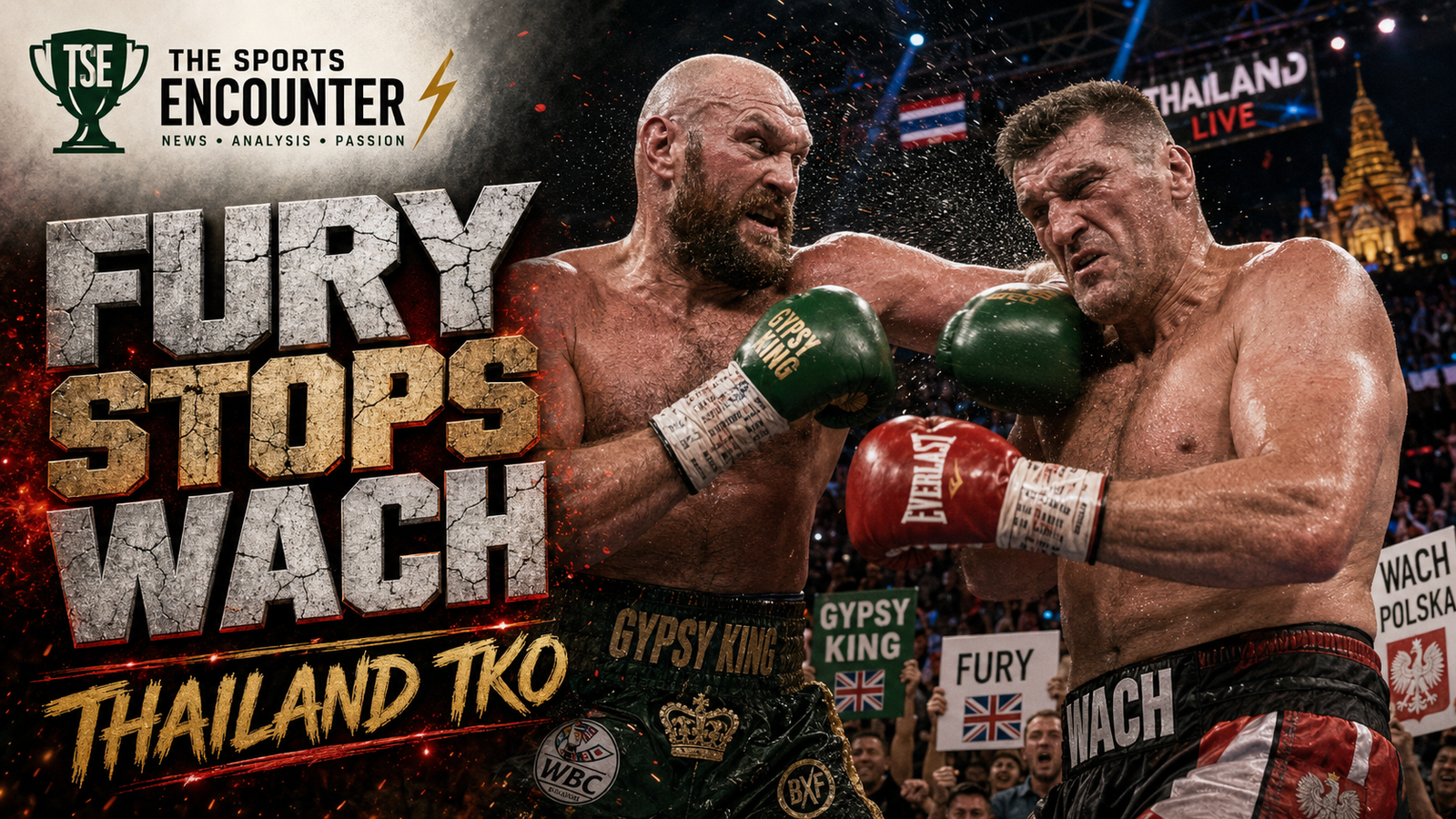
By July 2026, Tyson Fury had returned to competition and stopped Mariusz Wach in Thailand. As TSE’s report on that comeback victory noted, maintaining competitive activity was an important part of preparing for a possible Joshua encounter.
September brought another impasse, this time over where the fight would take place. Fury publicly suggested the encounter was off, as documented in our coverage of the collapsed November plans. The eventual stadium announcement on September 24 settled the venue and scheduled the event for December.
Continue the Boxing Story


Each obstacle required a different solution: honoring an existing contractual obligation, resolving commercial negotiations and, most recently, obtaining regulatory clearance. The last of these cannot be negotiated away by the people financing a fight.
What Cardiff Can Still Tell Us About Both Heavyweights
At 38 and 37 respectively, Fury and Joshua meet at a different stage of their careers from when the proposed 2021 contest would have united the major heavyweight belts. Both have lost twice to Oleksandr Usyk. Their matchup now offers a direct comparison of two former champions whose careers have developed along separate paths.
The experience of older champions, including Canelo Alvarez’s recent comeback against Christian Mbilli, illustrates why timing, distance and sustained accuracy remain important late in a career. Tyson Fury brings a substantial reach advantage and tactical versatility; Joshua’s compact combinations offer a different challenge. Neither the medical review nor its outcome provides evidence of how either man will perform in the ring.
As December approaches, Cardiff joins a busy boxing calendar that also includes Imane Khelif’s scheduled professional debut in Paris. For Tyson Fury, the immediate significance of the board’s ruling is simple: he can continue preparing for Joshua. The contest itself, like the other career-defining encounters examined in TSE’s boxing analysis, must be judged on what happens when the fighters enter the ring.